2026 Best Bullet Resistant Glass Thickness How to Choose

Time:2026-10-10 Author:Isabella
0%

Choosing bullet-resistant glass is not a simple thickness comparison. The question “How to choose the right thickness for bullet-resistant glass?” requires a wider review of threat level, glass construction, frame strength, opening size, and installation quality. A 19-millimeter laminate may perform differently from a 19-millimeter polycarbonate system. The materials are not interchangeable.

UL Solutions’ UL 752 standard classifies glazing by tested resistance levels, while the U.S. National Institute of Justice evaluates ballistic protection through controlled ammunition and impact conditions. These standards show why thickness alone cannot guarantee protection. Reports from Grand View Research also identify laminated glass, polycarbonate, and hybrid glazing as major product categories, reflecting a market that values tested assemblies rather than isolated glass sheets.

Security-glazing specialist Robert J. Fischer has stated, “Ballistic glass is only as strong as the complete system around it.” That principle deserves attention. A certified pane can still fail when the frame, joints, or anchoring system is poorly specified. It sounds obvious, but projects still overlook it.

Start with a documented risk assessment. Consider projectile type, impact distance, expected attack direction, daylight requirements, weight limits, and replacement access. Thicker glass often improves resistance, yet it can reduce transparency and increase structural loads. More is not always better.

Review the manufacturer’s test certificate, not only a marketing table. Ask whether the stated rating covers the complete frame-and-glazing assembly. On-site workmanship matters too. Even a small installation gap can weaken confidence in the final result. Some choices remain imperfect. That is normal. The reliable decision is the one supported by tested evidence, qualified engineering, and realistic site conditions.
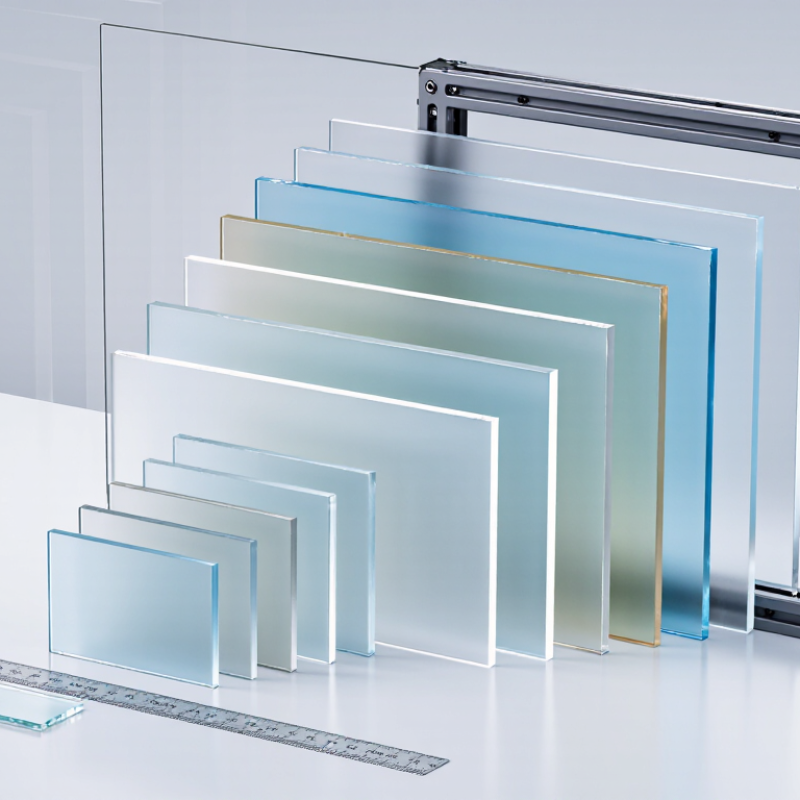
2026 Best Bullet Resistant Glass Thickness How to Choose

What Bullet Resistant Glass Thickness Means in 2026

2026 Best Bullet Resistant Glass Thickness: How to Choose

What Bullet Resistant Glass Thickness Means in 2026

In 2026, bullet resistant glass thickness is not a simple measure of protection. It describes the depth of a tested glazing assembly, not glass alone. Layers may include glass, polycarbonate, interlayers, and protective coatings. Each layer changes how the panel handles impact, weight, and visibility. Thicker is not automatically better. A poorly matched frame can weaken a strong panel. That detail is often missed during early planning.

A practical selection starts with the building’s risk assessment and required test rating. Security consultants should identify impact conditions, viewing distance, daylight needs, and opening size. Engineers can then compare certified assemblies at several thicknesses. A 2026 project may need more than one performance document. Testing methods and local building requirements can differ by region. Ask for current test reports, installation limits, and frame compatibility. Do not rely on a product label alone.

For example, a reception window may need clear sightlines and manageable weight. A thicker build can reduce light transmission and increase structural demands. It may also require stronger anchors and careful site handling. I would treat thickness as one design variable, not the final answer. Real projects often expose gaps in early assumptions. Measure twice. Have a qualified professional review the complete assembly before ordering.

How Threat Levels Determine the Required Glass Thickness

2026 Best Bullet-Resistant Glass Thickness: How to Choose

Choosing bullet-resistant glass in 2026 starts with the threat level, not a preferred thickness. Thickness is only one part of the protective assembly. Testing usually evaluates glass, interlayers, framing, seals, and installation together. A thicker pane can still fail when the frame flexes or the edge is poorly supported. That detail is often missed. Ask for the complete tested system.

Lower threat classifications may allow thinner laminated constructions, while higher classifications generally require thicker layers or stronger combinations. However, no universal millimeter chart is reliable. Threat assessment should consider projectile type, impact energy, shot pattern, distance, and attack angle. Windows near entrances may need different performance from protected interior screens. Location changes the answer. Qualified consultants should match the required classification with a current laboratory test report. Local codes and building loads also matter.

For a real project, request glass thickness, total assembly thickness, visible-light data, weight, and replacement guidance. Then inspect the opening before ordering. Small measurement mistakes can create large installation problems. I would not choose a product from thickness alone. It sounds efficient, but it is an unreliable shortcut. Budget, daylight, heat, and emergency access deserve equal review. Sometimes the safest design is not the thickest one. That judgment needs evidence, not guesswork.

Which Glass Types and Layer Combinations Improve Protection

In 2026, bullet-resistant glass should be selected by tested performance, not thickness alone. A 19 mm panel may perform differently from a 19 mm laminated assembly. The difference comes from glass hardness, interlayer elasticity, and layer order. The National Glass Association’s protective glazing guidance emphasizes that laminated construction helps retain fragments after impact. That detail matters near entrances, where glass shards can travel across floors.

Common assemblies combine two or more glass plies with polyvinyl butyral or ionoplast interlayers. Glass-clad polycarbonate can reduce weight while improving resistance to repeated impacts. However, thicker is not always better. Excessive thickness may increase frame stress, installation difficulty, and replacement costs. A 2024 industry market analysis reported continued demand for multilayer protective glazing, especially in public and commercial buildings. The report also noted that performance claims depend heavily on certified testing.

Use EN 1063 or UL 752 classifications when comparing products. EN 1063 classes measure resistance through defined impact tests, while UL 752 evaluates specific threat levels and shot patterns. Ask for the complete test report, including glass size, frame type, temperature, and impact spacing. A tested 30 mm laminate may outperform an untested 40 mm panel. Real buildings are imperfect. Frames flex, seals age, and installation gaps appear. Those weaknesses can quietly reduce protection. A qualified glazing engineer should verify the full window assembly, not only the glass thickness.

How to Match Glass Thickness With Frames and Building Design

2026 Best Bullet Resistant Glass Thickness How to Choose

Choosing bullet resistant glass thickness starts with the frame, not the glass alone. A 19 mm panel may suit a small, fixed opening, while larger panes often need thicker laminated construction. The correct choice depends on threat level, span, support, and tested assembly. Glass and frame must be certified together.

A recurring field lesson is simple: strong glass can fail inside a weak frame. Check the frame’s glazing pocket, bite depth, fasteners, and mullion strength. Heavy glass may require reinforced steel or aluminum framing. Anchors must transfer impact forces into the surrounding wall, not just the window trim. Measure the opening carefully. Small errors create pressure points.

Building design also controls the practical thickness. A narrow reception window can accept deeper framing, but a slim curtain wall may need a different tested system. Consider sightlines, daylight, ventilation, and emergency access before selecting the panel. Thicker glass can reduce visible area and increase installation weight. That trade-off is easy to underestimate. Always compare certified test data with local building requirements. Generic thickness charts are useful for early planning, but they cannot replace an engineered review. The honest answer may be inconvenient: the safest glass is not always the thickest glass.

How to Select, Verify, and Install the Right Bullet Resistant Glass

2026 Best Bullet Resistant Glass Thickness How to Choose

Choosing bullet resistant glass starts with the required protection level, not thickness alone. A thicker panel is not automatically safer. Performance depends on glass layers, interlayers, framing, and tested construction. Specify the threat rating, viewing size, support conditions, and exposure environment before requesting quotations. Large openings may need thicker assemblies or additional structural support. A small reception window can require a different design.

Verification should be practical and documented. Request a current independent test report for the complete glazing system, not only the glass sample. Check the tested thickness, layer sequence, dimensions, mounting method, and framing details. Confirm that the proposed installation matches those conditions. Certificates without configuration details deserve careful review. They may sound authoritative but provide limited guidance.

Installation quality can decide real performance. Use trained installers who understand security glazing. Inspect the frame for distortion before fitting the panel. Place approved setting blocks beneath the glass, maintain the specified edge clearances, and seal the perimeter correctly. Do not drill, cut, or grind the panel on site. Protect exposed edges from impact and moisture. The frame is often the weak point. That detail is easy to miss. Periodic inspections should check seal failure, frame movement, scratches, and unauthorized modifications. In practice, project teams sometimes focus on thickness and overlook compatibility. That mistake deserves a second review before installation.

FAQS

What should determine protective glass thickness?

Start with the threat level, not a preferred measurement. Consider projectile type, impact energy, distance, angle, and shot pattern. Location matters. A window near an entrance may need stronger protection than an interior screen.

Is thicker glass always safer?

No. A thicker pane can fail if the frame flexes or edges lack support. A tested 30 mm laminate may outperform an untested 40 mm panel. Thickness alone is a tempting shortcut.

Which parts make up a protective glazing system?

The system includes glass, interlayers, framing, seals, and installation. Testing should cover the complete assembly. Glass cannot compensate for a weak frame.

What glass combinations can improve protection?

Multiple glass plies can work with flexible interlayers. Some assemblies add a lightweight, impact-resistant plastic layer. Layer order, hardness, and elasticity affect performance.

What information should a buyer request?

Request glass thickness, total assembly thickness, weight, visible-light data, and replacement guidance. Also request the complete laboratory report. It should identify frame type, glass size, temperature, and impact spacing.

Why do recognized classifications matter?

Classification systems compare resistance through defined impact tests. They are more useful than unsupported thickness claims. Confirm that the tested assembly matches your project conditions.

How can installation reduce protection?

Poor edge support, gaps, aging seals, or flexible framing can reduce resistance. Small opening errors may create serious fitting problems. Measure the opening carefully before ordering.

What other factors should influence the final choice?

Review budget, daylight, heat, emergency access, structural loads, and local building requirements. The thickest design may add unnecessary weight and replacement costs. I would still verify every assumption with qualified technical advice.

Conclusion

Choosing bullet-resistant glass thickness in 2026 requires more than selecting the thickest available option. The correct specification depends on the anticipated threat level, projectile type, impact direction, required viewing area, and the building’s security objectives. Different glass constructions, such as laminated layers with specialized interlayers, can provide varying levels of resistance at similar or different thicknesses. How to choose the right thickness for bullet-resistant glass? Begin with a professional risk assessment, confirm the required performance classification through reliable test documentation, and consider how the glass will be used in doors, windows, counters, or protective partitions.

Glass performance also depends on the complete installation system. Frames, joints, anchors, glazing channels, and surrounding walls must be designed to support the selected weight and maintain consistent protection. Before purchase, verify thickness, composition, testing records, and installation requirements with qualified specialists. Proper measurement, handling, and installation are essential for achieving the intended protection, appearance, durability, and long-term building performance.

Isabella

Isabella

Isabella is a dedicated marketing professional with a sharp focus on driving brand growth and engagement through strategic content creation. With an extensive background in digital marketing, she combines her passion for storytelling with her keen understanding of industry trends to deliver......