In a world where safety is paramount, choosing the right thickness for bullet-resistant glass is crucial. This decision impacts not only security but also aesthetics and cost. Many may wonder, "How to choose the right thickness for bullet-resistant glass?" This guide aims to clarify that question.
Selecting the appropriate thickness involves understanding the threat level you are protecting against. Bullet-resistant glass comes in various grades, each designed to withstand different types of ballistic attacks. A thicker glass may offer more protection but can also increase weight and cost. It's essential to balance these factors according to your specific needs.
Consulting experts in the field can provide valuable insights. They can help assess risks associated with your environment. Additionally, reflecting on your personal or business security requirements will ensure that your choice aligns with real-world needs. Understanding the nuances of bullet-resistant glass is the first step toward making an informed decision.
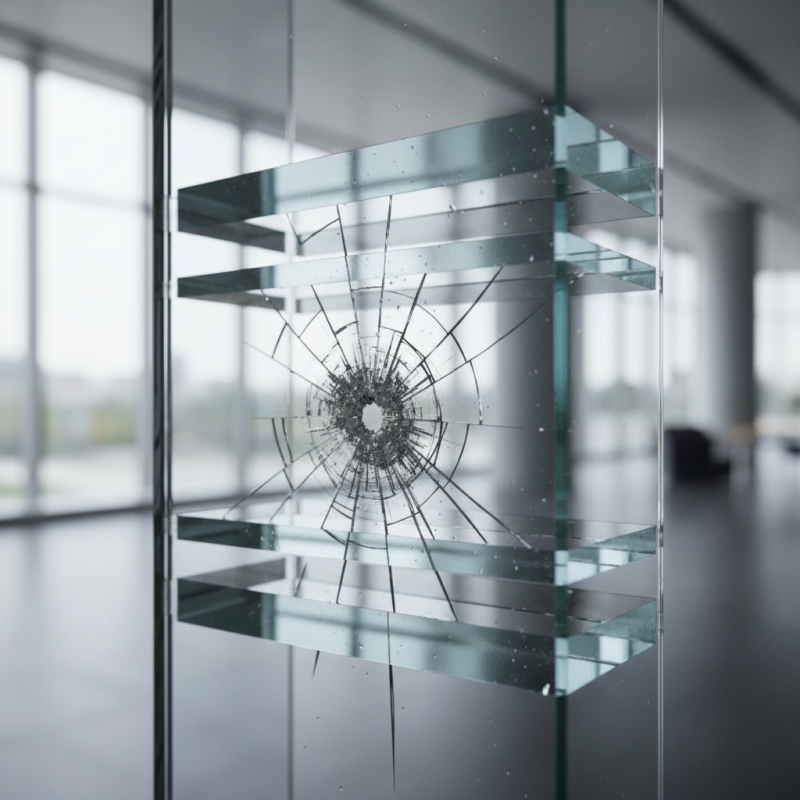
Bullet-resistant glass, often referred to as bulletproof glass, is essential in various security applications. It is designed to withstand ballistic impacts. Understanding the thickness of such glass is vital. According to a report by the National Institute of Justice, a thickness of at least 0.5 inches is necessary for Level I protection against small caliber handguns. This means that not all types of glass offer the same resistance level.
The composition of bullet-resistant glass varies. It often combines layers of glass with polycarbonate materials. This layered structure enhances its protective capabilities. For instance, a 1-inch thick glass can stop a .44 Magnum round. However, thickness alone does not determine performance. The quality of materials used significantly impacts its effectiveness.
It is also essential to consider the application. High-traffic areas might require thicker glass to ensure safety. Conversely, areas with lower risks may benefit from lighter options. Understanding these factors can prevent costly mistakes and ensure effective protection. Ultimately, analyzing both thickness and material type is crucial for optimal security solutions.
| Thickness (inches) | Level of Protection | Common Applications | Weight (lbs/sq ft) |
|---|---|---|---|
| 1.25 | Level I | Banks, Retail Stores | 2.5 |
| 1.5 | Level II | Military Bases, Government Buildings | 3.0 |
| 1.75 | Level III | Airports, High-Security Facilities | 3.5 |
| 2.0 | Level IV | Embassy Buildings, Prisons | 4.0 |
| 2.5 | Level V | Luxury Condominiums, Jewelers | 5.0 |
When selecting the thickness of bullet resistant glass, various factors come into play. The primary consideration is the level of threat expected. Different environments, such as banks or schools, may require varying thicknesses. For instance, a glass thickness of 1 inch may suffice for low-risk situations. However, high-risk areas typically need thicker options, such as 2 inches or more.
Another key aspect is the weight of the glass. Thicker glass is heavier, which can complicate installation and support. This may require additional structural reinforcement. It’s essential to balance thickness with the overall design and load-bearing capacity of the building. The installation location also matters; outdoor setups face more wear from weather changes.
Lastly, compliance with safety standards is crucial. Regulatory requirements often influence the acceptable thickness of bullet resistant materials. Regular reviews of these standards are necessary, as they can evolve based on new findings. Understanding these influencing factors leads to informed decisions for optimal security.
This chart illustrates the recommended thickness of bullet-resistant glass based on various threat levels and caliber types. Choosing the right thickness is crucial for safety and protection.
When selecting bullet-resistant glass, understanding the common standards and ratings is crucial. Various rating systems gauge the glass's performance against different threats. One widely recognized standard is the Underwriters Laboratories (UL) rating system. This system categorizes bullet-resistant glass into various levels, starting from Level 1, which can withstand small-caliber rounds, to Level 8, designed for high-caliber firearms.
The National Institute of Justice (NIJ) also contributes to the understanding of bullet-resistant materials. Their guidelines provide a comprehensive look at the protection levels, including the types of ammunition that glass can resist. Reports show that Level III glass, for example, can withstand multiple shots from military firearms, offering significant safety for high-risk applications.
However, even with these standards, there's room for improvement. Many users still struggle to find the right balance between thickness, clarity, and weight. Thicker glass generally offers better protection but can compromise visibility and increase installation complexity. As professionals in the industry often highlight, ensuring the right choice involves not only compliance with standards but also understanding the specific threats faced in different environments.
When considering bullet-resistant glass, assessing your security needs is crucial. Start by evaluating the environment where the glass will be used. Each setting, whether a bank, retail store, or a government building, has unique security challenges.
A report by the National Institute of Justice shows that over 50% of businesses experience security breaches. This highlights the importance of tailored solutions.
Next, determine the threat level. Bullet-resistant glass comes in various thicknesses and ratings. For example, a Level B4 glass can withstand multiple hits from a .44 Magnum, while Level B6 can endure higher caliber rounds. Understanding the specific threats you face will guide your choice. Focus on the materials that fit your needs best.
Remember that thicker isn't always better. It often translates to added weight and structural requirements.
Consult with experts in security assessment. They can provide insights into your area's crime statistics and recommend the appropriate glass thickness.
The right choice minimizes risks but can be confusing. Many find the array of options overwhelming. Reflect on your specific needs and seek clarification where needed. Your safety and security cannot be compromised.
When considering bullet resistant glass, thickness plays a crucial role. Glass comes in various thicknesses, each with distinct benefits and drawbacks. Thicker glass offers more protection. However, it can also be heavier and more expensive. This can complicate installation and increase overall costs.
Thin options, while lighter and more economical, might not withstand severe threats. Choosing a thickness involves balancing safety and budget. A thicker pane could mean fewer security concerns but might not be feasible for all buildings. A detailed assessment of specific security needs is beneficial.
Another factor to consider is visibility. Thicker glass may distort light transmission more than thinner variants. This impacts aesthetics and lighting in a space. Always weigh the pros and cons. The decision should reflect both practical needs and financial constraints. Experience and expertise in assessing environment risks are vital to making the best choice.
: Bullet-resistant glass is designed to withstand ballistic impacts, enhancing security in various applications.
A thickness of at least 0.5 inches is recommended for Level I protection against small caliber handguns.
Bullet-resistant glass often combines layers of glass with polycarbonate materials, enhancing its overall protective capabilities.
Thicker glass typically offers better protection, but it can also impact visibility and installation complexity.
Common standards include the Underwriters Laboratories (UL) rating system and guidelines from the National Institute of Justice (NIJ).
High-traffic areas may need thicker glass for safety, while lower-risk areas might use lighter options to save costs.
Experts can analyze crime statistics and recommend the appropriate glass thickness based on specific security needs.
Users often struggle to balance thickness, clarity, and weight when selecting the right bullet-resistant glass for their needs.
When considering "how to choose the right thickness for bullet-resistant glass," it's essential to understand the fundamental characteristics of this material. Bullet-resistant glass is designed to withstand specific ballistic impacts, making its thickness a critical factor in overall security. Factors influencing thickness selection include the level of threat anticipated, the environment where the glass will be installed, and applicable standards and ratings, which provide guidelines on performance.
A comprehensive assessment of security needs is crucial; this involves analyzing potential risks and determining the appropriate type of glass for different scenarios. Additionally, comparing various thicknesses will reveal the pros and cons of each option, helping to strike a balance between protectionlevel and cost. Ultimately, understanding these components will aid in making an informed decision on the best thickness for bullet-resistant glass that meets your security requirements.

Aero Glass