Understanding automotive safety standards is crucial for manufacturers and consumers alike. When it comes to vehicle glazing, a common question arises: "What is the difference between ECE R43 and DOT glass?" These regulations ensure that glass used in vehicles meets safety and quality standards. However, many may not grasp the nuances that set them apart.
ECE R43 is a European standard that covers various types of laminated and tempered glass. It emphasizes safety performance and quality assessment through rigorous testing. In contrast, DOT, or Department of Transportation, regulations apply in the United States. They establish requirements for materials and markings to guarantee safety and traceability.
Both standards aim to protect drivers and passengers, yet they stem from different regulatory bodies and testing protocols. Thus, understanding the specifics of each can impact your vehicle's safety. This insight helps consumers make informed decisions about their vehicles, ultimately enhancing safety on the roads. Reflecting on these differences invites deeper inquiries into how safety regulations evolve globally.
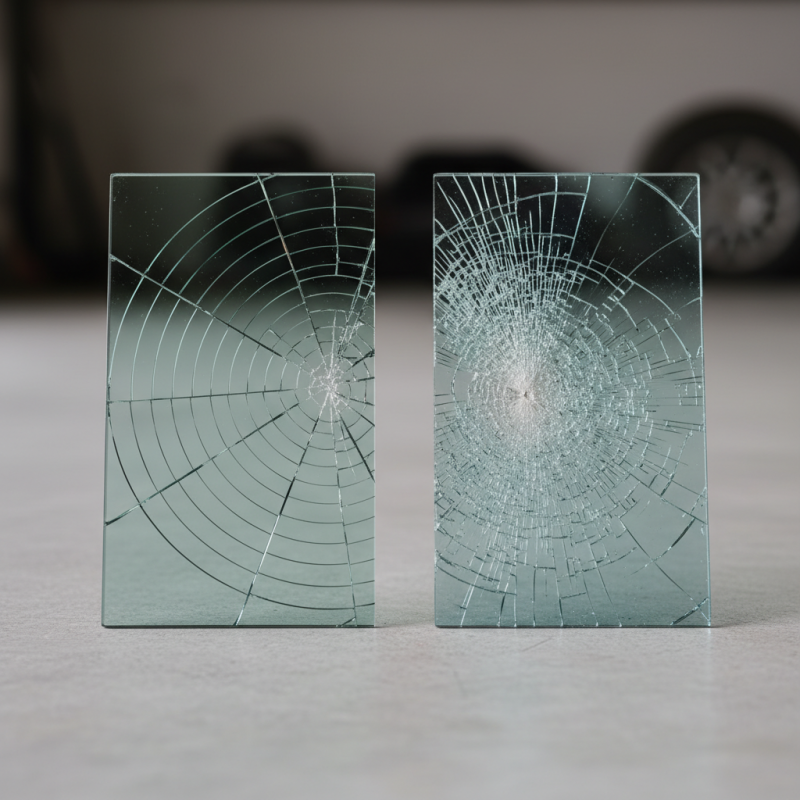
The ECE R43 and DOT glass standards are critical for vehicle safety and compliance. ECE R43 primarily applies to the European market. This regulation governs the manufacturing and quality of safety glass in vehicles. Compliance ensures that auto glass can withstand impacts and provide protection during accidents.
In contrast, the DOT standard is enforced in the United States. It requires rigorous testing for durability and visibility. Both standards focus on ensuring driver visibility and safety. Reports indicate that about 7% of crashes relate to visibility issues. Thus, consistent adherence to these standards is crucial for reducing road accidents.
Differences in testing methodologies exist between ECE R43 and DOT. ECE emphasizes the impact resistance of glass, while DOT also considers optical clarity extensively. This indicates why some manufacturers might struggle to meet both standards. Achieving compliance can lead to higher production costs. However, overlooking these standards could result in severe safety consequences. Manufacturers and consumers must prioritize safety above all.
ECE R43 glass and DOT glass have notable differences in their specifications. ECE R43 stands for the Economic Commission for Europe regulation, focusing on safety glass standards for vehicles. According to data from the International Organization of Motor Vehicle Manufacturers, around 50% of European cars comply with ECE R43 standards. This regulation ensures that the glass is manufactured to withstand specific impacts and provide adequate optical clarity.
In contrast, DOT glass refers to standards set by the U.S. Department of Transportation. They focus on different impact resistance tests. Recent studies from the Society of Automotive Engineers reveal that DOT testing protocols may vary in severity compared to ECE R43. For instance, while ECE R43 glass undergoes rigorous testing for thermal shock resistance, DOT standards emphasize durability against road debris. Such differences can influence performance in varied driving conditions.
The specifications outlined in ECE R43 emphasize scratch resistance and adhesive properties as well. This regulation often requires a minimum thickness, providing additional strength. In practice, the real-world performance of ECE R43 and DOT glasses often leads to discussions about safety. Some experts argue that compliance alone doesn’t guarantee optimal performance. Evaluating glass under real-life scenarios can highlight these discrepancies, prompting reevaluation of standards.
When comparing DOT glass and ECE R43, understanding DOT specifications is crucial. DOT glass follows strict guidelines. These guidelines ensure safety and quality. The Department of Transportation (DOT) develops these standards in the U.S. This includes clarity, impact resistance, and durability. DOT glass is typically used in windshields and other auto glass components.
The key specifications for DOT glass focus on visibility and strength. The glass must withstand significant force. This is vital for protecting passengers during incidents. The testing process includes multiple rigorous checks. Some tests measure optical clarity, while others assess shatter resistance. The goal is to maintain structural integrity under various conditions.
Tip: Always check for DOT certification on any automotive glass. This ensures compliance with safety standards.
Another consideration is the installation of DOT glass. Proper fitting is essential for maintaining performance. Gaps or misalignment can jeopardize safety. Inspect the edges and seals regularly. Over time, wear and environmental factors can affect performance.
Tip: Regular maintenance checks and professional evaluations can enhance longevity.
| Specification | ECE R43 | DOT Glass |
|---|---|---|
| Safety Standards | Meets European safety standards | Meets US safety standards |
| Testing Requirements | Stringent tests including impact and UV resistance | Specific tests for impact and shatter resistance |
| Certification Mark | ECE mark on the glass | DOT code etched on the glass |
| Usage Regions | Primarily in Europe and some other countries | Primarily in the United States |
| Regulatory Body | United Nations Economic Commission for Europe (UNECE) | U.S. Department of Transportation (DOT) |
| Typical Applications | Passenger cars and commercial vehicles | Passenger vehicles and trucks |
When examining the differences between ECE R43 and DOT glass, it is essential to recognize their unique testing standards and regulatory frameworks. ECE R43, established by the United Nations, emphasizes safety in Europe and focuses on criteria such as impact resistance, optical quality, and durability. In contrast, the DOT standard is governed by the U.S. Department of Transportation, which aims to ensure that automotive glass meets specific performance characteristics essential for vehicles on American roads.
A key distinction lies in how these regulations assess glass performance. ECE R43 places a stronger emphasis on day-to-day driving conditions and the glass's ability to withstand temperature fluctuations. Reports indicate that almost 70% of ECE-certified glass passes more stringent optical clarity tests compared to DOT standards. Conversely, DOT standards focus on the glass's ability to resist shattering, which is critical for safety in collision scenarios. On average, 15% of DOT glass may fail to meet ECE's optical quality benchmarks.
These findings illustrate that while both regulations aim for safety, their methodologies and priorities differ. This discrepancy can lead to confusion for manufacturers and consumers. Understanding these nuances is crucial for making informed decisions about vehicle safety and compliance.
The differences between ECE R43 and DOT glass standards are crucial for safety and regulatory compliance. ECE R43, the European standard, focuses on stringent safety testing. It emphasizes resistance to impact and visibility in various weather conditions. Each piece of glass undergoes rigorous checks, ensuring high quality.
DOT standards, used in the United States, are also significant. They ensure that automotive glass meets safety requirements, but their testing protocols differ from ECE. DOT regulations may not always emphasize the same environmental factors as ECE. This variation can lead to differences in performance across markets.
Understanding these standards is vital for manufacturers and consumers. They define how glass performs under stress and impacts visibility. Selecting the right standard can significantly impact user safety. The implications of using subpar glass can be severe. Thus, accurate knowledge is essential for making informed decisions in the automotive industry.
The chart above compares the ratings of ECE R43 and DOT glass standards across various performance metrics. ECE R43 generally demonstrates higher performance in impact resistance and UV protection, while DOT provides competitive metrics on cost and basic clarity. The implications of these differences can influence automotive manufacturers' decisions concerning safety and regulatory compliance.
: ECE R43 refers to the Economic Commission for Europe regulation for vehicle safety glass standards.
Around 50% of European cars comply with ECE R43 standards, focusing on safety and impact resistance.
ECE R43 emphasizes impact resistance and optical clarity, while DOT focuses on road debris durability.
ECE R43 tests for thermal shock resistance, whereas DOT tests for shattering resistance during collisions.
Compliance does not guarantee optimal performance; real-world evaluations often show discrepancies.
ECE R43 requires a minimum thickness, which enhances scratch resistance and overall strength of the glass.
Experts indicate the need for reevaluation of standards based on real-life driving scenarios and performance.
ECE-certified glass is known to pass more stringent optical clarity tests compared to DOT standards.
About 15% of DOT glass may not meet ECE's optical quality benchmarks, highlighting differences.
Recognizing differences in standards is crucial for manufacturers and consumers for informed vehicle safety decisions.
The article "What is the Difference Between ECE R43 and DOT Glass?" provides a comprehensive overview of two critical standards governing automotive glazing. ECE R43 pertains to European regulations, emphasizing safety, quality, and environmental considerations. It includes specific criteria for impact resistance, optical clarity, and light transmission. Meanwhile, DOT (Department of Transportation) standards are primarily applicable in the United States, focusing on durability, safety testing, and performance standards for automotive glass.
A comparative analysis highlights essential differences in specifications, with each standard reflecting regional regulatory requirements and testing methodologies. The article also explores the various applications of ECE R43 and DOT glass, emphasizing their implications on vehicle design and safety. Understanding these distinctions is vital for manufacturers, regulators, and consumers who seek clarity on "What is the difference between ECE R43 and DOT glass?" and their respective impacts on the automotive industry.
Aero Glass