How to Differentiate Explosion-Proof Glass from Safety Glass?

Time:2026-08-31 Author:Sophia
0%

In the realm of construction and safety standards, the question arises: "What makes explosion-proof glass different from standard safety glass?" This topic piqued the interest of industry expert Dr. Emily Carter, a leading authority in glass technology. She once stated, “Explosion-proof glass is engineered for extreme conditions, while safety glass mainly focuses on impact resistance.”

Understanding the differences is critical for policymakers and architects. Explosion-proof glass goes beyond typical safety measures. It is designed to withstand blasts and protect lives in hazardous environments. The manufacturing process involves layering materials that absorb and dissipate energy. In contrast, standard safety glass prioritizes shatter resistance, a lower level of fortification.

Many might overlook the significance of these differences. Choosing the right glass can be a matter of life and death, especially in high-risk areas. As Dr. Carter emphasizes, improper selection could expose vulnerabilities in security. Careful consideration and expert guidance are essential for making the right choice.
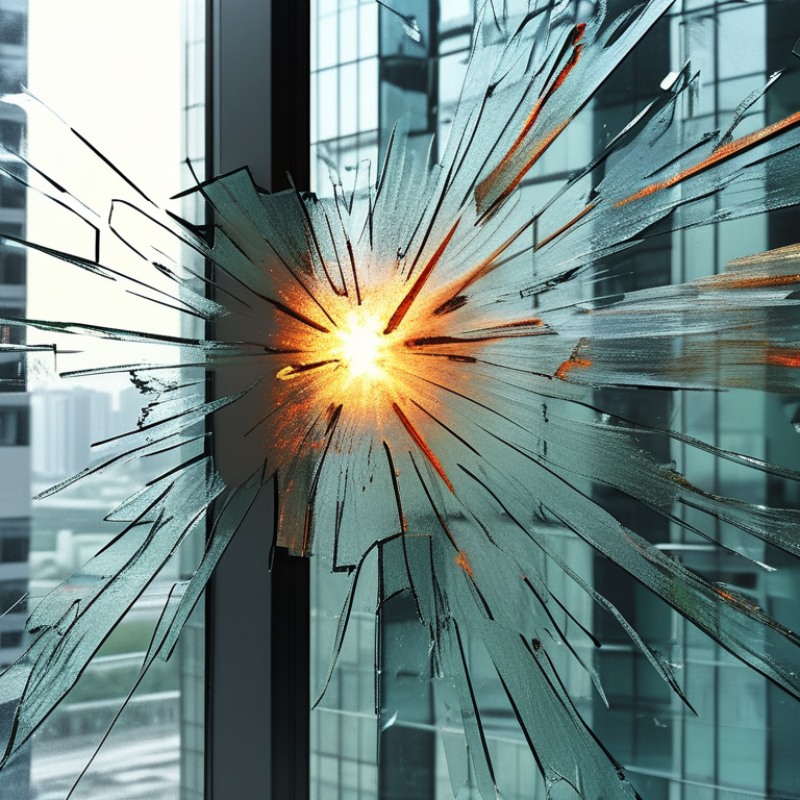
How to Differentiate Explosion-Proof Glass from Safety Glass?

Understanding the Definition of Explosion-Proof Glass

Explosion-proof glass is engineered to resist the impact of explosions. It displays unique characteristics that distinguish it from standard safety glass. Safety glass, while strong, is designed primarily to reduce injury risks from breakage. Its primary function is to prevent shards from causing harm. In contrast, explosion-proof glass is built to withstand pressure fluctuations and debris from explosive forces.

The definition of explosion-proof glass hinges on its ability to absorb and dissipate energy. It typically uses laminated glass with special interlayers. These interlayers enhance its strength and provide a barrier against shattering. Unlike standard safety glass, which may crack under severe pressure, explosion-proof glass maintains its structure. This property makes it suitable for areas prone to explosions or high-impact events.

When choosing between the two, consider the specific application. For instances requiring high security, explosion-proof glass is vital. A lack of awareness can lead to incorrect choices. Misunderstanding these distinctions may result in inadequate protection measures, posing risks to safety. Understanding the definitions and applications of these types of glass can help ensure appropriate and reliable use.

Exploring the Characteristics of Safety Glass

Safety glass is designed to minimize injuries in case of breakage. It typically includes tempered or laminated glass. These types are engineered to withstand impacts better than regular glass.

Tempered glass is heated and cooled rapidly. This process increases its strength. When it shatters, it breaks into small, blunt pieces. This reduces the risk of cuts and lacerations. Laminated glass consists of two or more layers, bonded with a polymer layer. When broken, the glass fragments adhere to the polymer, preventing dangerous shattering.

Many people underestimate the importance of these features. Choosing the right glass type requires understanding specific applications. Safety standards vary significantly across industries. A casual approach may expose individuals to risks. Experts often highlight these risks, urging careful consideration.

How to Differentiate Explosion-Proof Glass from Safety Glass?

This chart illustrates the key characteristics of Explosion-Proof Glass versus Safety Glass. The comparison is based on factors such as impact resistance, heat resistance, and cost.

Key Differences Between Explosion-Proof Glass and Safety Glass

Explosion-proof glass and safety glass serve different purposes. Explosion-proof glass is designed to withstand high-pressure blasts and shrapnel. It often consists of multiple layers that absorb energy and minimize penetration. This type of glass is critical in environments like refineries or chemical plants, where explosions may occur. In contrast, safety glass is meant to reduce injury risks during breakage. It typically includes tempered and laminated glass and can shatter into tiny pieces, limiting harm.

To differentiate these two types, consider their thickness and layer structure. Explosion-proof glass is usually thicker and has a more complex lamination process. Safety glass may appear similar but is generally lighter. The application also provides clues: explosion-proof glass is common in high-risk industries. Regular usage scenarios for safety glass include buildings and vehicles.

Understanding the specific applications of each type helps in making informed decisions. When selecting glass for your project, assess the risk factors involved. Choose explosion-proof glass for extreme environments. For regular safety needs, opt for safety glass. Consider consulting professionals to ensure you meet safety requirements. Always prioritize safety over aesthetics in your selections.

Applications and Use Cases for Explosion-Proof Glass

Explosion-proof glass is designed to withstand high-pressure blasts, while safety glass provides protection against breakage. The applications of explosion-proof glass are critical in various industries. It is particularly vital in oil and gas facilities, where the risk of explosions is high. According to a report by the Global Glass & Ceramics Market Research, the use of explosion-proof glass in industrial settings is expected to grow by 7% annually over the next five years. This growth highlights the increasing awareness of safety measures in hazardous environments.

In construction, explosion-proof glass finds use in buildings near potential blast zones. An example includes government buildings and military installations. The material's capacity to absorb energy minimizes injury risk during an explosion. A study from the American Society of Safety Engineers indicates that buildings utilizing such materials have a dramatically reduced injury rate by up to 40% during incidents. However, it’s important to note that not all glass marketed as explosion-proof qualifies as such. Rigorous testing and certification are key in ensuring reliability.

Moreover, the cost of explosion-proof glass can be significantly higher than safety glass. This factor often leads to hesitance in some sectors. Balancing safety and budget remains a challenge for many stakeholders. Understanding the specific needs of an environment is essential in making the right choice. The industry faces pressure to innovate while also maintaining effective pricing strategies.

Regulatory Standards and Testing for Both Glass Types

Understanding the regulatory standards and testing for explosion-proof glass and safety glass is essential for making informed choices. Explosion-proof glass is specifically designed to withstand high-pressure blasts and impacts. It undergoes rigorous testing under industry standards to ensure its reliability in critical settings. This glazing is often required in environments like chemical plants or military facilities.

Safety glass, on the other hand, focuses on minimizing injury risks. It includes tempered and laminated glass types. While safety glass also adheres to regulations, its testing emphasizes shatter resistance. Both types must meet specific codes, which may vary by region. Regular inspections ensure compliance, but not all manufacturers follow guidelines closely.

When choosing glass, consider the certification of the product. Look for documentation showing compliance with relevant safety standards. Ask about testing procedures to verify claims. Sometimes, results can be misleading. It's crucial to gather information from multiple sources. Engage experts who have hands-on experience with both glass types. They can provide invaluable insights. Always be wary of products that lack sufficient testing documentation. This lack of transparency can be a red flag.

FAQS

: What is explosion-proof glass designed for?

: Explosion-proof glass is made to withstand high-pressure blasts and impacts.

In which industries is explosion-proof glass commonly used?

It is often used in oil and gas facilities, military installations, and near blast zones.

How does explosion-proof glass improve safety?

It absorbs energy, reducing the risk of injury during an explosion.

Are all explosion-proof glasses reliable?

No, not all glass marketed as explosion-proof meets rigorous testing standards.

What is the cost comparison between explosion-proof glass and safety glass?

Explosion-proof glass typically costs more, which can lead to hesitance in purchasing.

What should you check when choosing glass?

Ensure the product has proper certification and testing documentation.

How does safety glass differ from explosion-proof glass?

Safety glass focuses on minimizing injury risks, emphasizing shatter resistance.

What should I do if I see misleading testing results?

Gather information from multiple sources and consult experienced experts.

Why is regular inspection important?

It ensures compliance with safety regulations but not all manufacturers adhere closely.

Can pressure exist between safety and budget in glass selection?

Yes, balancing safety and costs remains a challenge for many stakeholders.

Conclusion

Explosion-proof glass and safety glass serve different purposes and exhibit distinct characteristics. Explosion-proof glass is specifically designed to withstand high-impact forces and prevent shattering under extreme conditions, making it crucial for environments prone to explosions or blasts. In contrast, safety glass, often tempered or laminated, is intended to minimize injury upon breakage by breaking into small, less harmful pieces.

What makes explosion-proof glass different from standard safety glass is its ability to absorb and dissipate energy from impacts, while safety glass prioritizes user safety through shatter resistance. Applications of explosion-proof glass are prevalent in military, aerospace, and industrial sectors, where safety and security are paramount. Understanding these differences is essential for selecting the right type of glass for specific applications, regulated by relevant safety and performance standards.

Sophia

Sophia

Sophia is a dedicated marketing professional with an exceptional depth of knowledge about her company's products and services. With a keen understanding of market trends and customer needs, she crafts insightful blog posts that not only inform but also engage readers, enriching the company’s online......