Identifying the differences between laminated glass and tempered glass is essential for various applications. Each type of glass has unique properties, making them suitable for different uses. Laminated glass consists of layers that provide extra safety and sound insulation. On the other hand, tempered glass is known for its strength and thermal resistance. But how to identify genuine laminated glass from tempered glass?
The appearance may sometimes be misleading. Both types can look similar at first glance, yet their performance varies significantly. Recognizing these differences can prevent safety hazards and ensure proper installation. Visual cues are important. For instance, laminated glass often has a noticeable interlayer. This can lead to a distinct edge finish, which is worth checking.
Understanding the nuances of each glass type reflects expertise in the field. Clarity on this topic helps architects, builders, and consumers make informed decisions. However, the challenge remains: not every glass product is labeled appropriately. Sometimes, the identification process can be complex. It requires careful inspection and a bit of practice to master.
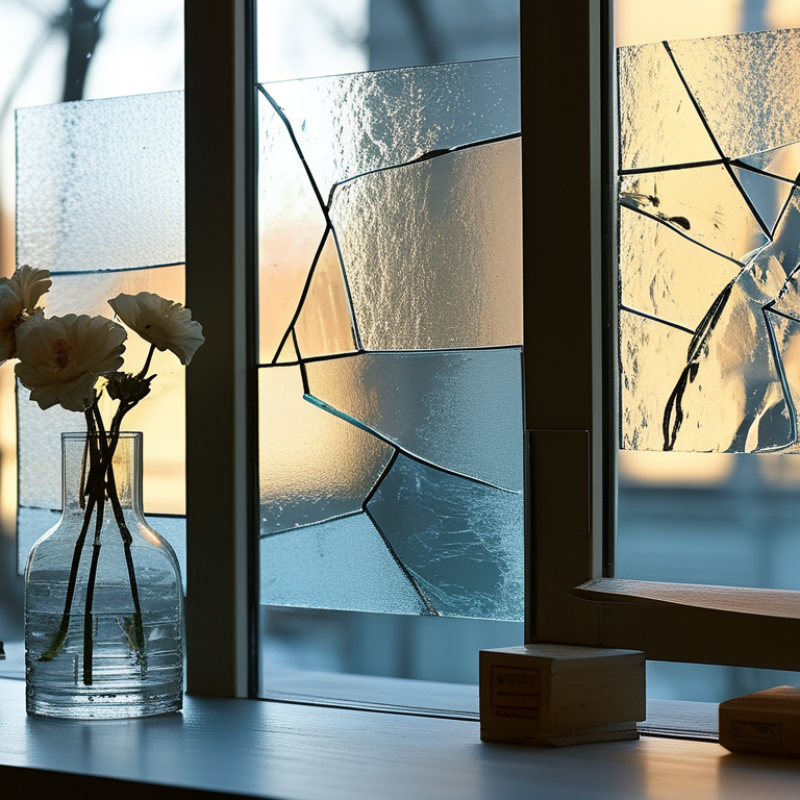
Understanding the Basics: Laminated Glass vs. Tempered Glass
Laminated glass and tempered glass are often confused, yet they have distinct features and uses.
Laminated glass consists of two or more layers of glass with an interlayer. This interlayer offers safety; it holds shards together when broken. According to the Glass Association, laminated glass blocks 99% of UV rays and reduces noise by about 30%. Such properties make it ideal for high-traffic areas and noise-sensitive locations.
On the other hand,
tempered glass is produced through a process that involves heating and rapid cooling. This process increases its strength, making it more resistant to impacts. In fact,
tempered glass is about five times stronger than standard glass, as stated in a report by the American Society for Testing and Materials (ASTM). It shatters into small, blunt pieces when broken, minimizing injury risks.
While tempered glass is great for windows and shower doors, it doesn’t provide the same level of safety as laminated glass in certain applications.
When choosing between the two, consider safety and performance. If noise reduction or UV protection matters, laminated glass is the better choice. For strength, tempered glass shines. Understanding these differences can aid in making informed decisions, but many users still find themselves uncertain about which type to choose for their projects.
Identification Techniques: Visual Inspection Methods for Glass Types
Identifying laminated glass from tempered glass can be challenging. Each type has unique properties, and visual inspection is a practical method to distinguish them. Laminated glass typically consists of two or more layers of glass with a plastic interlayer between them. This design gives it a distinct appearance. It often shows a slight ripple or distortion due to the interlayer. In contrast, tempered glass is uniformly clear. Its edges are usually ground and polished, providing a smooth finish.
When inspecting glass, check for hints around the edges. Tempered glass generally has thinner edges. Laminated glass may exhibit a noticeable thickness, especially where the interlayer is visible. Additionally, look for markings. Tempered glass often has a manufacturer's stamp. In some instances, this can indicate the type of glass.
**Tip:** Use a flashlight. Shine it at an angle. If the glass has a slight reflection or rainbow-like effect, it's likely laminated.
Both laminated and tempered glasses are widely used. According to industry reports, laminated glass offers superior safety due to its ability to hold shards together. In contrast, tempered glass boasts high resistance to impact and thermal stress. Understanding these differences is important for various applications, from building facades to automotive windshields.
Comparison of Laminated Glass and Tempered Glass Identification Techniques
Mechanical Properties: Strength and Durability Comparisons in Glass Types
When it comes to glass, understanding the differences between laminated and tempered types is crucial. Laminated glass consists of layers of glass bonded by interlayers. This design provides remarkable impact resistance. According to industry studies, laminated glass can absorb up to 90% of energy from impacts. This offers both durable performance and enhanced safety.
Tempered glass, on the other hand, undergoes a thermal treatment. This process increases its strength. It is reported that tempered glass is up to five times stronger than standard glass. However, when broken, it shatters into small, less harmful pieces. This can be a safety advantage in certain applications. Yet, it also poses challenges. Users should be aware that if tempered glass isn’t installed correctly, it can break unexpectedly due to thermal stress.
In assessing mechanical properties, laminated glass tends to outperform in durability but may not be as strong under certain conditions as tempered glass. While laminated glass is excellent for safety, some installations might prefer the shattering characteristics of tempered glass. Balancing these properties requires careful consideration of the intended application and potential environmental factors.
How to Tell Laminated Glass from Tempered Glass Effectively?
| Property |
Laminated Glass |
Tempered Glass |
| Strength |
Moderate |
High |
| Impact Resistance |
Good (does not shatter) |
Excellent (shatters into small pieces) |
| UV Protection |
Yes |
Limited |
| Sound Insulation |
Excellent |
Good |
| Cost |
Moderate |
Higher |
| Applications |
Safety glass, acoustic treatments |
Shower doors, storefronts |
Safety Standards: Regulatory Differences in Laminated and Tempered Glass
When considering safety standards, laminated glass and tempered glass differ significantly. Laminated glass consists of multiple layers bonded together with a polyvinyl butyral (PVB) interlayer. This structure enhances safety, as it can hold together even when shattered. According to the American National Standards Institute (ANSI), laminated glass offers more protection against impacts and is commonly used in areas vulnerable to break-ins.
Conversely, tempered glass is treated through a process of extreme heating and rapid cooling. This increases its strength. Yet, when it breaks, it shatters into small, blunt pieces, reducing the risk of injury. The ASTM International standards indicate that tempered glass can withstand higher forces but does not provide the same level of security as laminated glass. The choice between these two types ultimately hinges on the environment and the necessity of safety versus aesthetic appeal.
Some users may overestimate the security provided by tempered glass. This gap in understanding could lead to suboptimal choices in construction or home security. While both glass types comply with strict regulations, the nuances in their properties warrant careful consideration. Proper training for contractors and designers in recognizing these differences is essential to ensure optimal decisions are made.
Common Applications: Where Each Type of Glass is Most Effectively Used
When considering glass for specific applications, laminated and tempered glass serve distinct purposes.
Laminated glass consists of layers of glass fused with a plastic interlayer. This type of glass offers excellent sound insulation and UV protection.
It's commonly used in skylights and large windows where safety is paramount. In the event of breakage, the glass holds together, minimizing injury.
On the other hand, tempered glass undergoes a heating and cooling process, making it tough and able to withstand impact better than ordinary glass.
It's ideal for shower doors, glass tables, and other high-stress environments.
Tempered glass shatters into small, blunt pieces rather than sharp shards. This feature greatly reduces the risk of serious injuries.
When selecting between these types, consider the environment.
Laminated glass excels in applications requiring safety and sound control.
Tempered glass is best where high strength and thermal resistance are needed.
Both options offer unique benefits, yet it’s vital to assess your specific needs to make an informed choice.
FAQS
: Laminated glass has layers with a plastic interlayer, often showing slight ripples or distortion.
Check the edges; laminated glass tends to be thicker. Tempered glass usually has thinner, polished edges.
Yes, tempered glass often has a manufacturer's stamp that can help identify the type.
Use a flashlight at an angle. If you see a rainbow-like effect, it’s likely laminated glass.
It is often used in skylights and large windows for safety, sound insulation, and UV protection.
Tempered glass is strong and shatters into small, blunt pieces, minimizing injury. It’s great for shower doors.
Laminated glass holds shards together upon breakage, while tempered glass resists impacts effectively due to its processing.
Choose laminated glass for safety, sound control, or when breakage is a concern.
Each glass type serves specific needs; safety, strength, and thermal resistance vary by application.
Visual inspection is helpful, but consider additional factors like intended usage for the best choice.
Conclusion
This article provides a comprehensive guide on how to identify genuine laminated glass from tempered glass effectively. It begins by explaining the fundamental differences between the two types of glass, focusing on their composition and structural properties. The piece offers practical identification techniques, emphasizing visual inspection methods that can help differentiate laminated glass, which is composed of multiple layers, from tempered glass, known for its durability and strength.
Additionally, the article compares the mechanical properties and durability of both glass types, shedding light on their safety standards and regulatory differences. It also discusses common applications for each type, highlighting where laminated glass and tempered glass are most effectively utilized. By the end of the article, readers will have a clear understanding of how to identify genuine laminated glass from tempered glass, enhancing their knowledge for practical applications.

 Aero Glass