How to Estimate the Lifespan of a Bus Windshield Seal

Time:2026-11-24 Author:Isabella
0%

A bus windshield seal does more than hold glass in place. It helps limit water entry, wind noise, and vibration around the windshield. Its service life depends on the rubber or adhesive system, installation quality, climate, and daily use. What is the lifespan of a typical bus windshield seal? There is no single reliable number for every fleet. A seal operating in strong sun, freezing temperatures, or frequent wash cycles may age faster than one in milder conditions. The bus’s age matters, but it does not tell the whole story. Not always.

A practical estimate starts with the seal’s condition and maintenance history. Look for brittle rubber, surface cracks, gaps at the corners, or sections pulling away from the frame. Small clues matter. Water trails on the dashboard, damp trim, or a new whistle at highway speed can point to a failing seal, though other faults may cause similar symptoms. Note when these signs appear, and compare them with inspection records and the seal manufacturer’s guidance. A technician can check whether the glass has shifted or the bond has weakened. That estimate can be wrong; wear is rarely uniform across a windshield. This guide explains how to assess likely service life, recognize warning signs, and decide when inspection or replacement is appropriate. It favors observed condition over a calendar guess, because a seal can look sound from outside while hiding damage beneath the trim.
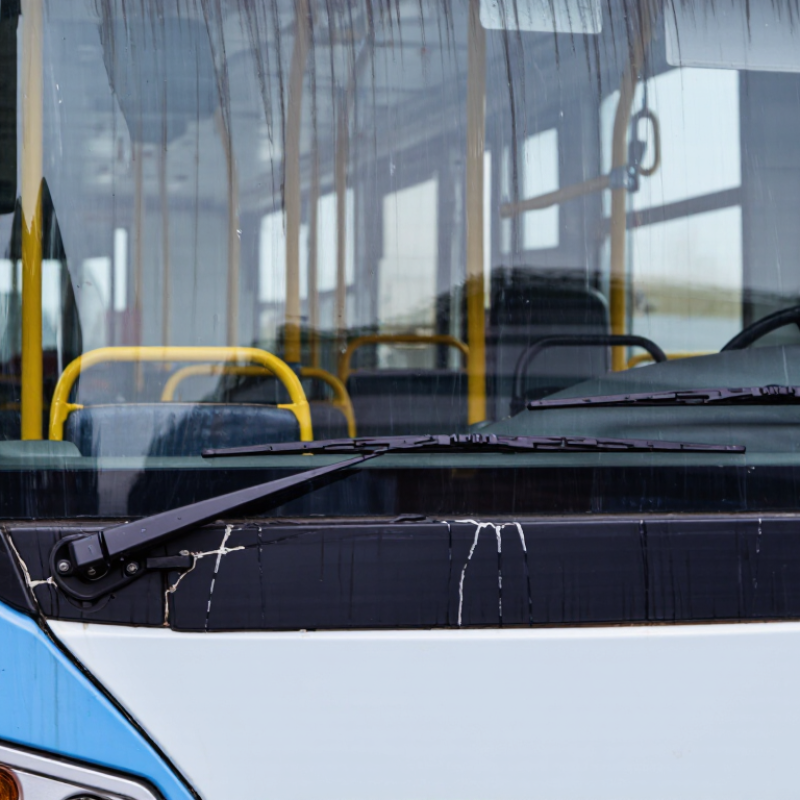
How to Estimate the Lifespan of a Bus Windshield Seal

Identify the Bus Windshield Seal Type and Installation Date

How to Estimate the Lifespan of a Bus Windshield Seal

Identify the seal type before estimating its age. A bus may use a rubber gasket held around the glass, or a bonded sealant system that fixes the windshield to the frame. These designs age differently, so one lifespan estimate may not fit both.

Check maintenance records, repair invoices, and inspection notes for the seal type and any replacement date. The bus’s build date is only a clue; the original seal may have been replaced years later.

Look for physical details, too. A gasket may have a molded profile or small markings along its edge, while bonded systems often have a visible bead behind the glass. Avoid guessing from color alone: dirt, cleaners, and sun exposure can change its appearance.

That matters. If records are missing, note what you can verify, such as hardened rubber, cracks at the corners, or gaps near the frame. These signs suggest wear, but they do not reveal an exact installation date.

Records can be messy. I would treat any date found on a work order as a useful estimate, not proof that the entire seal was replaced. Some repairs address only one section, and older paperwork may not describe the work clearly.

Ask a qualified bus-glass technician to confirm the seal type and assess its condition, especially if there is water entry, wind noise, or visible movement around the windshield.

Assess Age, Mileage, Climate, and Operating Conditions

How to Estimate the Lifespan of a Bus Windshield Seal

Assess Age, Mileage, Climate, and Operating Conditions

A bus windshield seal has no dependable, fixed expiration date. Its condition reflects age, mileage, climate, and how the vehicle is used. Start with records. Note the installation date, previous repairs, and any history of water entering the cabin. If records are incomplete, avoid treating the bus’s age as the whole answer. Mileage helps, but rough roads, frequent stops, and body vibration can put extra strain on the seal.

Climate changes the pace of wear. Strong sunlight and heat can dry or harden rubber, while repeated freezing and thawing may encourage small cracks. Salt, dust, and cleaning chemicals can also affect the material. Look closely at corners and edges for gaps, brittleness, peeling, or sections that lift from the glass. Check for damp trim after rain, too. Small clues matter.

Compare observations over time. A dated photo of the same corner can reveal gradual movement that is easy to miss during one inspection. This estimate will not be exact; seals age unevenly, and a clean-looking surface may still hide a poor bond. Have a qualified technician assess persistent leaks, visible separation, or movement around the windshield, especially after hard service or severe weather. One inspection can miss things.

Inspect for Cracks, Hardening, Gaps, and Leaks

A bus windshield seal has no dependable expiration date. Its condition depends on sun exposure, washing practices, vibration, and how well it was installed. Inspect it when the glass is clean and dry, using a flashlight to check the full perimeter. Look closely. Fine surface cracks, especially at corners, can let water enter before damage looks serious.

Press the rubber gently with a gloved finger. A healthy seal should feel flexible, not brittle or unusually hard. If it stays flattened, crumbles, or pulls away from the glass, its ability to seal may be declining. Check for gaps between the seal and the frame; even a narrow opening deserves attention. Don’t judge by appearance alone. Some older seals still hold firmly, while newer ones can fail after poor installation.

After rain or washing, look for damp trim, water trails, fogging near the glass edge, or a musty smell inside the bus. These clues suggest a leak, but water can travel from another source, so the seal may not be the culprit. That matters. Record the inspection date and any changes, then compare findings over time. If leakage, loose glass, or spreading cracks appear, have a qualified technician assess it promptly. A practical lifespan estimate comes from repeated checks, not one visual inspection.

How to Estimate the Lifespan of a Bus Windshield Seal - Inspect for Cracks, Hardening, Gaps, and Leaks

A seal’s age alone cannot reliably predict its remaining service life. Use the checks below to assess condition; exposure to sunlight, temperature changes, cleaning chemicals, vibration, and installation quality can all affect deterioration.

Inspection Dimension What to Check What the Finding May Indicate Recommended Action Effect on Service-Life Estimate
Cracks and splits Inspect the full visible perimeter for fine surface cracks, deep splits, or tears, especially at corners and joints. Fine surface checking can indicate aging. Open cracks or torn sections can provide a path for water and may allow the seal to lose its grip. Document the location and extent. Arrange prompt assessment if a crack passes through the seal or is accompanied by movement or water entry. Small surface cracks suggest reduced remaining life; through-cracks or tears mean the seal may need replacement rather than continued routine monitoring.
Hardening and flexibility Look for a seal that appears dry, stiff, shrunken, or unable to flex normally. Avoid forceful probing that could damage it. Loss of flexibility can reduce the seal’s ability to maintain contact as the vehicle body and glass move with temperature and vibration. Compare affected areas with less-exposed sections and have a technician assess widespread stiffness or shrinkage. Widespread hardening is a reason to expect a shorter remaining service period, even if no leak is currently visible.
Gaps and fit Check for gaps between the seal and glass or body, lifted edges, uneven seating, or sections that have pulled away. Gaps can result from seal shrinkage, poor seating, body movement, or prior windshield work. They can compromise water and air sealing. Have the fit checked by a qualified technician. Do not rely on surface sealant as a substitute for correcting a displaced or damaged seal. Any persistent gap lowers confidence in the seal’s remaining life and calls for repair assessment.
Water leaks After rain or a controlled water test, check the interior around the windshield for dampness, drips, water tracks, or moisture under trim. A leak may come from the seal, windshield bonding, nearby body seams, or another source; its location alone does not confirm the cause. Record when and where water appears, then arrange leak diagnosis. Address water entry promptly to limit interior damage and corrosion. A confirmed leak requires prompt investigation; the seal’s remaining life cannot be estimated reliably until the source is identified.
Wind noise and movement Note new wind noise near the windshield and check for visible movement or changes in the glass-to-body fit. These symptoms can point to a loss of contact or a windshield installation issue, but may also have other causes. Request a professional inspection, particularly if noise occurs with visible gaps, leaks, or glass movement. Combined symptoms make a condition-based replacement assessment more appropriate than an age-only estimate.
Age and exposure Review available installation or replacement records and consider the bus’s exposure to sun, heat, cold, vibration, and frequent washing. Age and operating conditions provide context, but there is no single service-life figure that applies to every bus windshield seal. Use the vehicle’s maintenance history alongside visual checks. Inspect more closely when the seal is aged or heavily exposed. Estimate remaining life from condition and trend over repeated inspections; do not treat a calendar age as an automatic replacement limit.
Inspection record Photograph the same corners and edges during scheduled inspections and note cracks, gaps, hardening, and any moisture. Changes over time can reveal deterioration that a single inspection may not show. Keep dated records and recheck sooner if a defect is worsening or symptoms appear. A stable seal with no defects may remain serviceable; visible progression supports planning repair or replacement before failure.

Compare Inspection Findings with Manufacturer Guidance

How to Estimate the Lifespan of a Bus Windshield Seal
Compare Inspection Findings with Manufacturer Guidance

A windshield seal has no dependable, universal replacement age. Compare its condition with the vehicle manufacturer’s service guidance, then record mileage, installation date, and inspection findings. Look for hardened or shrunken rubber, lifted corners, cracked edges, and dampness around the interior trim after rain. A paper-thin water trail can matter. So can wind noise that changes with speed. Note where each defect appears and whether it is getting worse; one inspection alone may not reveal the trend.

Use published service intervals when available, but treat them as guidance, not proof that a seal remains sound. The Federal Transit Administration’s useful-life guidance gives many large transit buses a 12-year or 500,000-mile benchmark. That figure applies to the vehicle, not its windshield seal. It provides context, not a seal-life prediction. Heat, vibration, cleaning chemicals, and installation quality can change seal wear substantially. I would not estimate remaining life from age alone; that is an imperfect judgment, and it should be revisited.

Tips: Photograph the same corners during each inspection, check for moisture after heavy rain, and compare notes with the manufacturer’s maintenance guidance. If findings conflict with the suggested interval, ask a qualified technician to assess the seal and document the reason for any early replacement.

How to Estimate the Lifespan of a Bus Windshield Seal — Compare Inspection Findings with Manufacturer Guidance
These values are illustrative planning estimates, not manufacturer specifications or a universal seal-life standard. Use the vehicle manufacturer’s maintenance guidance for the specific bus, and prioritize replacement when inspection reveals leakage, cracking, or loss of adhesion.

Estimate Remaining Service Life and Set a Reinspection Schedule

Estimating a bus windshield seal’s remaining service life starts with condition, not age alone. Clean the glass edge and rubber so small defects are visible. Look for fine cracks, flattened sections, hard or brittle rubber, lifted corners, and gaps near the frame. Check the interior trim for dampness or water trails after rain. Note any wind noise, but do not treat noise alone as proof of seal failure. A qualified technician can assess uncertain areas and record photos, location, and date. Use practical condition labels such as stable, watch, or repair soon. Avoid assigning an exact replacement date from one visual check; seals age unevenly.

Set a reinspection schedule that fits the bus’s routes, storage, and weather exposure. For regular service, include a focused check during scheduled maintenance and a brief visual review each month. Inspect sooner after windshield work, impact, water entry, or a sharp change in temperature. If cracking or separation is visible, shorten the interval to weekly until a technician evaluates it. That may feel cautious, but small defects can spread between checks. Keep the same notes over time: a growing gap matters more than a single measurement. A clean inspection today is useful, not a guarantee.

FAQS

What types of windshield seals do buses use?

Some buses use rubber gaskets fitted around the glass. Others use bonded sealant behind the windshield. Their wear patterns differ.

How can I find when a seal was installed?

Check maintenance records, repair invoices, and inspection notes. The bus’s build date is only a clue. A work order may describe a partial repair, not a full replacement.

Can color or appearance reveal a seal’s age?

Not reliably. Sun, dirt, and cleaning products can change its appearance. Look for hardened rubber, corner cracks, or gaps instead.

What signs suggest a seal may be wearing out?

Check for shrunken or brittle rubber, lifted corners, cracked edges, and damp trim after rain. A thin water trail matters. Wind noise can help, but it does not prove seal failure.

Does the bus’s age predict the seal’s remaining life?

No. Seal life varies with heat, vibration, chemicals, and installation quality. Vehicle age and mileage offer context, not a seal-life prediction.

How can I estimate remaining service life?

Record the seal’s condition, defect locations, and inspection date. Use labels such as stable, watch, or repair soon. One visual check cannot provide an exact replacement date. This estimate can be wrong.

How often should the seal be inspected?

Include a focused check during scheduled maintenance and a brief monthly visual review. Recheck sooner after windshield work, impact, water entry, or sharp temperature changes.

When should a technician assess the seal?

Ask a qualified bus-glass technician about visible movement, water entry, or uncertain damage. If cracking or separation appears, inspect weekly until it is assessed. Cautious, perhaps. Still sensible.

Conclusion

What is the lifespan of a typical bus windshield seal? There is no single service life that applies to every seal. To make a useful estimate, first identify the seal type and, if available, its installation date. Then consider its age alongside mileage, local climate, how often the bus operates, and the conditions it faces, such as frequent vibration or exposure to strong sunlight.

Inspect the seal for cracks, hardening, shrinkage, gaps, or signs of water entering the cab. Compare what you find with the maintenance guidance for the seal and vehicle, and take any change in condition into account rather than relying on age alone. Use the inspection results to estimate how much service life may remain, then set a reinspection schedule that reflects the bus’s operating conditions. Regular checks can help identify deterioration early and support timely maintenance planning.

Isabella

Isabella

Isabella is a dedicated marketing professional with a sharp focus on driving brand growth and engagement through strategic content creation. With an extensive background in digital marketing, she combines her passion for storytelling with her keen understanding of industry trends to deliver......