What are the main causes of safety glass delamination?

Time:2026-07-01 Author:Madeline
0%

Delamination in safety glass is a critical safety concern. Understanding this issue is essential for manufacturers and consumers alike. According to Dr. John Richard, an expert in glass technology, "The integrity of safety glass often depends on its layers remaining bonded." His insights help us explore the root causes behind delamination.

What are the common causes of delamination in safety glass? Factors such as improper manufacturing, environmental stress, and wear over time play a significant role. Manufacturing defects can lead to insufficient bonding between layers. Environmental factors, like humidity and temperature fluctuations, can create conditions for delamination. Additionally, frequent impact and abrasion can weaken glass layers.

Identifying these causes is vital. It can prevent accidents and injuries. While some delamination might be unavoidable, awareness can drive better practices. We must reflect on how to improve processes. The safety of glass products hinges on addressing these critical factors.
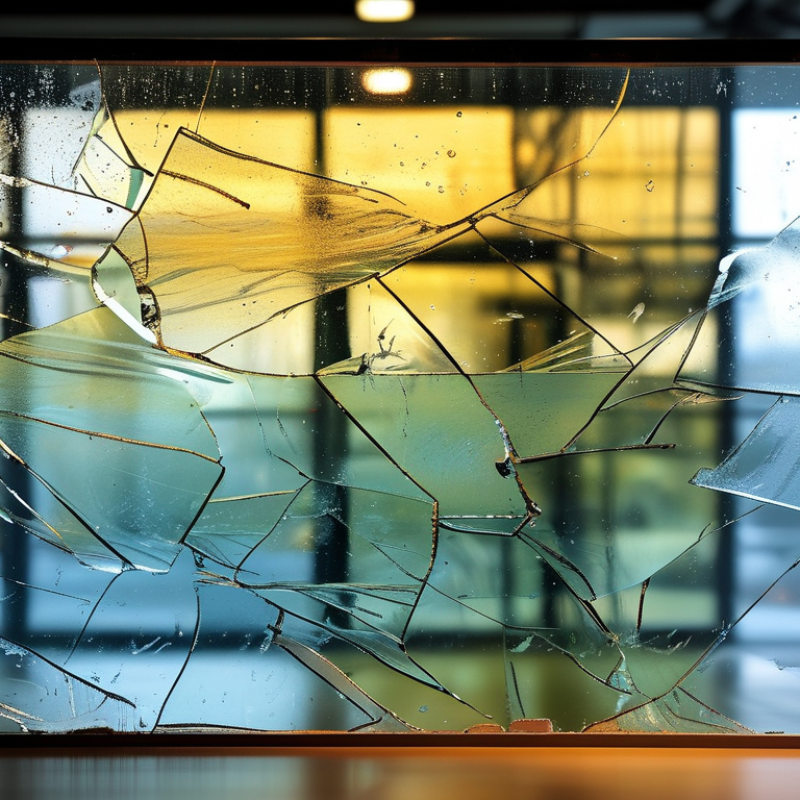
What are the main causes of safety glass delamination?

Main Causes of Safety Glass Delamination: An Overview

Delamination in safety glass can stem from various sources. One common cause is improper manufacturing processes. If the adhesive layers are not applied evenly, it may lead to weak bonds. This often results from insufficient quality control measures. Additionally, glass types with incompatible thermal expansion rates can exacerbate this issue, increasing the likelihood of separation over time.

Environmental factors also play a crucial role. High humidity and extreme temperatures can weaken the adhesive. These conditions may cause the materials to contract and expand at different rates. Furthermore, exposure to certain chemicals, like solvents, can deteriorate the bonding agent. A poorly maintained environment can accelerate these risks.

User handling is another area of concern. Scratches or impacts to the glass can initiate cracks at the laminate. Over time, these small damages can lead to larger delamination issues. Regular inspections can help identify potential problems early. Addressing these issues is essential for maintaining the integrity of safety glass.

Main Causes of Safety Glass Delamination

Impact of Temperature Variations on Glass Bonding Integrity

Temperature variations significantly affect the bonding integrity of safety glass. Extreme heat can cause adhesives to soften. As the glass cools, the bond may contract, leading to stress fractures. These fractures compromise the safety of the glass. This cycle of expansion and contraction can subtly weaken the interface over time.

In conditions where temperatures fluctuate rapidly, the risk increases. Sudden changes can cause outdated adhesives to fail. Moisture can also seep into microscopic gaps, worsening the delamination process. It’s crucial to consider the materials used during installation. Some adhesives may not withstand wide temperature ranges.

Preventative measures are essential to address these challenges. Proper installation practices can mitigate risks. Regular maintenance also helps monitor and maintain the bond integrity. Awareness of environmental conditions is key. Understanding these factors can reduce unexpected failures and enhance safety.

Role of UV Radiation in Safety Glass Degradation

UV radiation plays a significant role in the degradation of safety glass. Over time, exposure to ultraviolet light can weaken adhesives used in laminated glass. These adhesives are essential for maintaining the structural integrity of the glass. When they deteriorate, delamination occurs. This is when layers of glass begin to separate, compromising both safety and aesthetic appeal.

In regions with high sunlight exposure, this effect can be more pronounced. The degradation can manifest as discoloration or hazy spots within the glass. Inspecting safety glass regularly is crucial, especially in locations with intense UV exposure. Homeowners and businesses should be vigilant. However, many often overlook this aspect, leading to unexpected failures.

Despite advancements in glass technology, delamination from UV exposure remains a concern. Not every safety glass product is immune to this issue. It's essential to consult with experts about the best practices for maintenance and installation. Recognizing the impact of UV radiation can lead to better choices and longer-lasting safety glass solutions.

Effects of Environmental Contaminants on Adhesive Performance

Environmental contaminants can significantly impact the performance of adhesives used in safety glass. Dust, moisture, and chemical residues are common pollutants that compromise adhesive bonds. These contaminants disrupt the surface chemistry, leading to failures in adhesion. Even seemingly minor exposure can result in significant delamination over time.

Testing shows that different environmental conditions can worsen adhesive degradation. High humidity levels, for instance, may cause solvents within adhesives to evaporate too quickly. This can lead to insufficient bonding. Meanwhile, UV exposure can weaken adhesive properties, making them brittle. Understanding these interactions is crucial for ensuring safety glass durability.

Many manufacturers overlook the need for thorough surface cleaning before adhesion. Neglecting this step can lead to costly failures. Continuous research into adhesive formulations may yield better resistance to environmental factors. Overall, addressing these issues is essential for maintaining safety glass integrity in various applications.

Main Causes of Safety Glass Delamination

Cause Description Impact on Adhesive Performance
Moisture Exposure Prolonged contact with water can weaken the adhesive bond. Reduces bond strength, leading to premature failure.
Temperature Fluctuations Extreme heat or cold can cause expansion and contraction of glass and adhesives. Creates stress points that can lead to delamination.
Contaminants Dust, oils, or chemicals on the glass surface can interfere with adhesion. May prevent proper bonding, increasing the risk of separation.
UV Radiation Ultraviolet rays can degrade adhesive materials over time. Leads to loss of adhesion and integrity of the glass layers.
Improper Surface Preparation Failure to clean and treat surfaces before bonding can impair adhesion. Increases likelihood of bond failure, contributing to delamination.

Mechanical Stress and its Contribution to Delamination Risks

Mechanical stress is a significant factor contributing to the delamination of safety glass. This type of glass consists of multiple layers, often with a polymer interlayer. Over time, exposure to mechanical stress can cause these layers to separate. Common sources of stress include thermal expansion, heavy loads, and environmental factors.

Understanding the conditions that lead to mechanical stress is essential. For instance, sudden temperature changes can cause the glass to expand or contract unevenly. This can increase the likelihood of delamination. Similarly, heavy impacts or constant pressure can weaken the bond between layers. Regular inspection can help identify stress points before they lead to serious issues.

**Tips:** Regularly check glass installations for cracks or signs of separation. Ensure proper installation to minimize risk. Avoid placing excessive weight on safety glass installations.

Another contributing factor is the quality of the adhesive used. If the adhesive doesn't bond effectively, it may not withstand mechanical stress. Choosing the right adhesive is crucial for long-term durability.

**Tips:** Always consult with professionals during installation. They can recommend the most suitable materials. This proactive approach can save costs in the long run.

FAQS

: What causes delamination in safety glass?

: Delamination can occur due to improper manufacturing processes, weak adhesive bonds, and inconsistent quality control.

How do environmental factors contribute to delamination?

High humidity and extreme temperatures can weaken the adhesive, leading to potential separation over time.

Can user handling affect safety glass?

Yes, scratches or impacts can initiate cracks, which may worsen and lead to larger delamination issues.

What impact do temperature variations have on safety glass?

Temperature changes can cause adhesives to soften and re-harden, potentially leading to stress fractures in the glass.

How can improper installation affect glass safety?

Poor installation practices may leave gaps or use incompatible materials, increasing the risk of delamination.

What can be done to prevent delamination?

Regular inspections and proper maintenance help identify potential issues early and maintain adhesive integrity.

How often should safety glass be inspected?

Regular inspections are recommended to catch early signs of wear, cracks, or delamination issues.

Are all adhesives suitable for all temperature conditions?

No, some adhesives fail to withstand wide temperature ranges, compromising bond integrity.

What role does humidity play in glass safety?

High humidity can weaken the bonding agent, risking delamination over time if not properly managed.

Should we be concerned about the materials used in glass installation?

Yes, using incompatible materials can exacerbate delamination, highlighting the need for careful selection.

Conclusion

Safety glass delamination is a critical issue that arises from various factors impacting its integrity. In addressing the question of "What are the common causes of delamination in safety glass?", it is essential to highlight several key contributors. Temperature variations can significantly affect the bonding integrity of glass layers, leading to separation over time. Additionally, prolonged exposure to UV radiation can degrade the adhesives used in safety glass, increasing the likelihood of delamination. Environmental contaminants, such as dust and chemicals, also play a detrimental role in adhesive performance, further exacerbating delamination risks. Lastly, mechanical stress from impacts or flexing can compromise the structural integrity, making delamination more probable.

Understanding these causes is vital for improving safety glass design and maintenance. By addressing temperature effects, protecting against UV exposure, minimizing contamination, and managing mechanical stresses, manufacturers and users can enhance the durability and safety of glass installations, ultimately reducing the delamination occurrence.

Madeline

Madeline

Madeline is a dedicated marketing professional with a wealth of expertise in our company's core offerings. With a keen understanding of the industry, she brings a unique perspective to her role, consistently delivering high-quality content that highlights the superior aspects of our products. As......