Construction equipment glass faces more than ordinary wear. Dust hides small chips. Gravel can strike a windshield when a loader crosses a rough haul road. A careless tool placement can leave a deep scratch. Protecting cab glass is therefore part of daily equipment care, not a cosmetic extra. Small checks matter.
How to protect engineering vehicle glass on construction sites? Start with practical controls: keep windshields clean using suitable soft cloths, inspect edges and seals, and avoid scraping dry mud across the surface. Park away from active loading zones when possible. Use machine-compatible protective film or guards, and check that they do not obstruct visibility, wipers, or access to emergency exits. Follow the equipment manufacturer’s guidance. A guard that is poorly fitted may create its own problems.
“Keep the glass clean, the seals intact, and the machine clear of flying debris.” This is an editorially written rule of thumb, not a verified quotation. Alex Morgan is a fictional composite representing common site-maintenance expertise, not a real cited specialist. That distinction matters; credible maintenance advice should not rely on invented credentials.
This guide explains how crews can reduce preventable damage through better parking, careful cleaning, routine inspections, and timely repairs. Look closely at the lower windshield corners, where dirt and vibration can conceal early damage. Record chips before they spread. No method prevents every impact, and protective film is not a substitute for sound glass or clear visibility. Practical habits help, but they still require consistent attention.
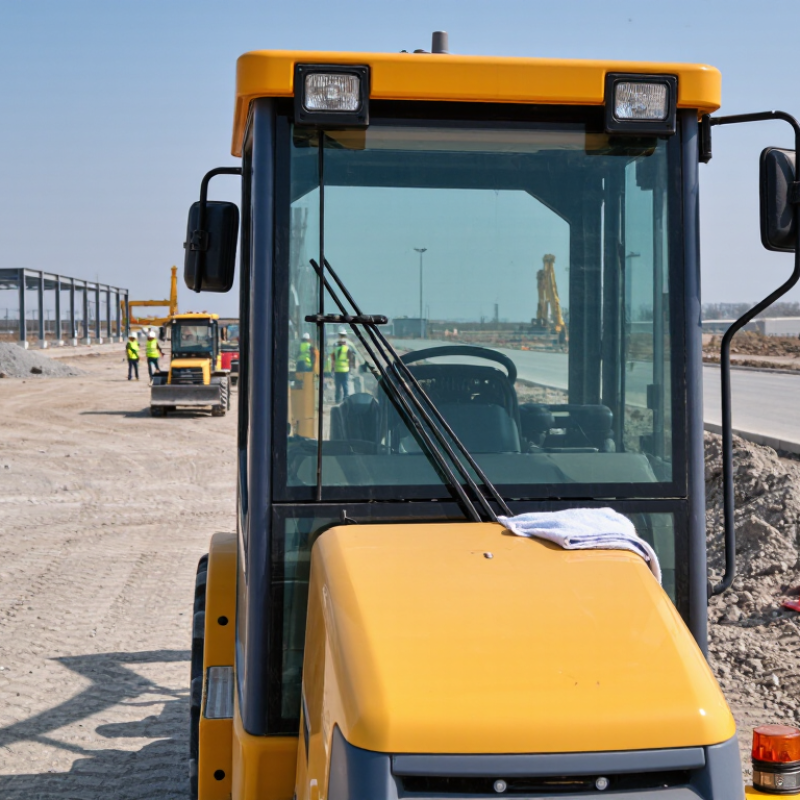
Construction equipment glass can be damaged by more than a direct collision. Walk the work area and note where machines operate, park, and turn. Look for loose gravel, cut concrete, and metal offcuts near tracks or tires. These can become projectiles. Even small chips may spread when equipment vibrates.
Watch nearby tasks. Demolition, drilling, and concrete cutting can send fragments toward cab windows. Loads lifted overhead create another risk, especially when workers stage materials beside travel routes. Reversing machines may also pass close to scaffolds, barriers, or stored pipe. Mark the glass-facing side of parked equipment during a site walk; sightlines are easy to misjudge from ground level. Dust matters too. Grit trapped under a wiping cloth can leave fine scratches. A quick wipe can make things worse.
Check the work sequence, not just the site at opening time. A clear parking area in the morning may sit beside active cutting by noon. Ask operators where they have noticed impacts or poor visibility, then inspect for fresh chips, cracks, and abrasion. Small details count. Record the location and likely source of damage, and revisit it after nearby work changes. A walk-through is helpful, but it can miss hazards behind stacked materials; I have underestimated those blind spots before. Keep the assessment practical, and update it as equipment and work zones move.
Flying debris, accidental impacts, and abrasive dust are common site hazards for equipment glass. Ratings are illustrative qualitative priorities on a 1–5 scale, not measured incident rates. Keep glass clean, use suitable protective guards where practical, and park equipment away from active work and traffic.
Construction equipment glass faces flying gravel, branches, dust, and tool impacts. Choose protection for the actual hazard. A rigid guard can deflect larger debris, but its mesh or frame must not block the operator’s view, wipers, lights, or access for emergency exit. Check the equipment maker’s guidance before fitting one. A poorly placed guard can create a new visibility risk.
For fine scratches and abrasion, use a sacrificial film approved for the glass type; film is not a substitute for impact-rated protection. Clean the pane before applying it, since trapped grit can leave scratches beneath the film. Use fitted covers while machines are parked, not while operating. Secure them against wind and remove them before work. The U.S. Bureau of Labor Statistics recorded 1,069 fatal work injuries in construction in 2022; this figure is not specific to glass, but it underscores the value of controlling site hazards.
Tips: Inspect guards, film edges, and covers at the start of each shift. Replace cracked or peeling protection promptly. A cover can trap dust. That detail is easy to miss, and worth checking after a windy night.
Before a machine enters a work zone, inspect its glass and decide what could strike it: flying gravel, rebar ends, or branches along a haul route. Clean the windshield and windows first; grit trapped beneath a guard can scratch the glass. Check for existing chips and record them with a quick photo. Small cracks are easy to miss.
Fit suitable protective screens or panels while the equipment is parked on level ground. Secure every fastener, then check that the guards cannot rattle against the glass. Where a compatible temporary film is used, follow its fitting instructions and keep it clear of seals and sensors. Test the wipers, mirrors, and visibility from the operator’s seat. Protection should not create a blind spot. That detail gets overlooked.
Match the setup to the actual task. A machine loading broken concrete needs different coverage from one moving through a clear storage yard. Keep spare fasteners and cleaning cloths nearby, and inspect the protection during shift checks. If a guard loosens or visibility changes, stop and correct it before work continues. Crews do not always have time for a perfect setup; still, rushing past a poor fit usually costs more time later.
| Work Stage | Protective Measure | How to Apply It | Inspection or Verification |
|---|---|---|---|
| Before mobilization | Inspect cab glass and seals | Clean the glass and check for cracks, chips, loose seals, damaged wipers, and obstructed visibility. Record existing damage before transport or site entry. | Complete a documented walk-around inspection; arrange repair or replacement of damaged glass before operation. |
| Before entering the work zone | Fit compatible glass protection | Where appropriate, use a manufacturer-approved protective screen, guard, or film. Confirm that it does not interfere with visibility, emergency exits, wipers, sensors, or glass function. | Check secure mounting and clear sightlines from the operator’s seat. Follow the equipment manufacturer’s instructions. |
| Work-zone setup | Control sources of flying debris | Position equipment away from active cutting, grinding, breaking, and material-loading areas where practical. Use barriers or screens to separate nearby tasks. | Review the work-zone layout with the site supervisor and adjust equipment positioning when activities change. |
| During operation | Maintain safe separation and travel routes | Keep equipment clear of material drop zones and avoid unnecessary travel close to stockpiles, hauling routes, or active demolition. Use a spotter where visibility is restricted. | Confirm routes and exclusion areas during site briefings; stop and reassess if conditions or visibility change. |
| Daily maintenance | Keep glass clean and functional | Remove dust and loose debris with suitable cleaning materials. Check wipers, washers, protective guards, and glass-mounted sensors for damage or obstruction. | Include glass condition and visibility in the pre-start inspection. Do not operate with visibility compromised. |
| After impact or damage | Stop and assess before returning to work | Park safely and report any impact, crack, chip, loose guard, or sudden loss of visibility. Arrange assessment by a qualified person and follow the equipment manufacturer’s guidance. | Document the incident and confirm the glass and protection are fit for use before equipment re-enters the work zone. |
Protecting equipment glass begins with predictable movement around the machine. Before work starts, walk the travel path and look for low branches, scaffolding, loose material, and narrow turns. Keep a clear buffer between the cab and walls, parked trucks, or other equipment. A few inches can matter when a boom swings. Small habits matter.
During operation, travel at a speed that allows a controlled stop, especially on rough ground or near active loading areas. Dust, vibration, and flying gravel can strike windshields, so avoid following another machine too closely. Use a spotter when visibility is limited, agree on clear hand signals, and stop if the spotter disappears from view. Clean glass with suitable tools; grit on a dry cloth can leave fine scratches. Don’t lean on it.
At shift’s end, park on firm, level ground away from traffic routes, loading zones, and overhead work. Lower attachments, set the parking brake, and shut down according to the equipment procedure. Face the cab away from likely debris when practical, then check the glass for chips before they spread. Even with a good routine, hurried handoffs can miss damage. A simple walk-around helps the next operator notice it before work resumes.
Before each shift, inspect cab glass in good light, especially after work near gravel, branches, or moving materials. Look for chips, cracks, scratches, loose seals, and damaged protective screens. Check the edges too; a small chip there can spread when the cab vibrates. Wipe away dust with a clean cloth so minor damage is not hidden. Small flaws matter.
Protective film and guards need inspection as well. Check for peeling corners, deep gouges, or gaps where debris could pass through. A guard that rattles or sits out of position may not protect the glass as intended. It is tempting to keep working when damage looks minor, but vibration and temperature changes can make it worse. That judgment can be wrong.
Report defects promptly and record their location and size. If a crack obstructs the operator’s view or the glass feels unstable, stop using the machine until a qualified technician assesses it. Do not cover damage with improvised tape or apply repair materials without approval; they may distort visibility or interfere with the glass’s safety function. Follow the equipment maker’s repair guidance and use suitable replacement parts. After repairs, inspect the seal and surrounding frame, then confirm the operator has a clear view before returning the machine to service.
Flying gravel, branches, dust, and tool impacts can chip or scratch cab glass. The risk depends on the task and route.
Use a suitable guard where larger debris may strike the glass. Check that its frame does not block the operator’s view, wipers, lights, or emergency exit.
Film can help reduce fine scratches and abrasion, but it is not impact-rated protection. Clean the glass first; trapped grit can scratch beneath the film.
Use fitted covers while machines are parked. Secure them against wind and remove them before work. A cover can trap dust.
Inspect the glass, note existing chips, and choose protection for the actual hazard. Fit guards on level ground, then check fasteners and visibility from the operator’s seat.
Check guards, film edges, and covers at the start of each shift. Look again after rough work or windy weather. Small gaps matter.
Stop and correct the fit before work continues. A loose guard can rattle against the glass, while poor placement may create a blind spot.
Report and record cracks or chips promptly. If damage obstructs the view or the glass feels unstable, stop using the machine until a qualified technician assesses it. Minor damage can still spread.
Protecting construction equipment glass begins with identifying the risks on each job site. Flying debris, dust, accidental impacts, vibration, and nearby vehicle movement can all damage windows and visibility. Choose suitable guards, protective films, or covers based on the equipment, the work being performed, and the conditions on site. Make sure each measure fits securely and does not block the operator’s view or interfere with equipment controls.
Before machinery enters an active work zone, install and check its glass protection. Establish safe operating and parking practices, including keeping appropriate distance from material-handling areas and avoiding unnecessary exposure to hazards. Inspect windows and protective materials regularly for cracks, loose fittings, or wear, and repair or replace damaged protection promptly. Knowing How to protect engineering vehicle glass on construction sites? helps teams maintain clear visibility, reduce avoidable damage, and keep equipment ready for safe, reliable operation.

Aero Glass