Can You Recycle Broken Laminated Windshields Effectively?

Time:2026-06-16 Author:Madeline
0%

Can you recycle broken laminated windshields? This question arises as more drivers face the inevitable reality of damaged glass. Windshields are crucial for safety and visibility. However, when they break, their disposal often poses a dilemma. Most people are unaware of the materials that make up laminated windshields. The combination of glass and a plastic interlayer complicates the recycling process.

Many recycling centers do not accept broken windshields due to this complexity. The materials can be challenging to separate. Inefficient recycling methods can lead to damaged windshields ending up in landfills instead of being repurposed. Some might wonder if there are innovative solutions to this issue.

Experts are exploring alternatives to traditional recycling methods. Specialized techniques could allow for better recovery of materials. The truth is, while recycling broken laminated windshields remains a challenge, ongoing research may lead to improved methods. As individuals, knowing the options available can make a difference. Conversations about recycling priorities are essential as we address this pressing environmental concern.
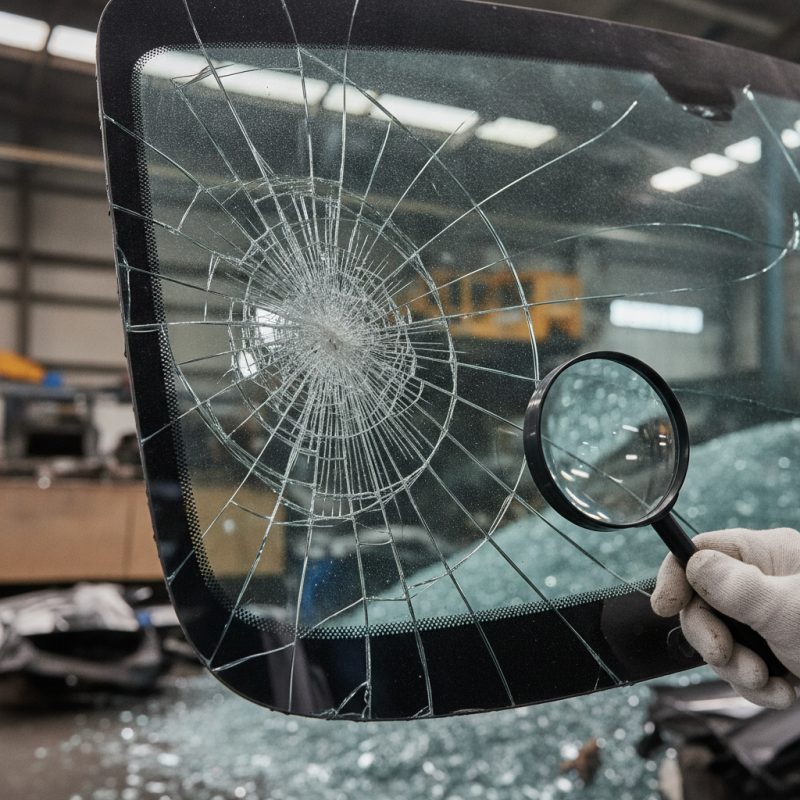
Can You Recycle Broken Laminated Windshields Effectively?

Understanding Laminated Windshields and Their Composition

Laminated windshields play a crucial role in vehicle safety. Composed of multiple layers of glass and a polymer interlayer, they provide strength and protection. The interlayer prevents shattering upon impact. According to the National Highway Traffic Safety Administration (NHTSA), over 40,000 injuries are avoided annually due to their design.

Despite their protective qualities, recycling broken laminated windshields presents challenges. The combination of glass and plastic complicates the recycling process. Traditional glass recycling facilities often do not accept laminated glass. This leads to increased waste in landfills. Industry reports indicate only 5% of laminated glass is recycled effectively.

Tips: Always check local recycling guidelines. Some facilities may accept broken windshields. Explore options for repurposing. For instance, consider using broken glass for art or decor projects.

The drive for sustainability is vital. However, gaps in recycling technology hinder progress. Finding innovative solutions for laminated glass can make a difference. Engaging with the industry is crucial. It is essential to raise awareness about this issue. Your involvement can lead to better recycling practices.

Challenges in Recycling Broken Laminated Windshields

Recycling broken laminated windshields presents several challenges. Laminated windshields consist of layers of glass interlaid with a plastic polymer. This complex structure makes conventional recycling methods inadequate. According to industry reports, about 15 million windshields are replaced annually in the U.S. Yet, less than 10% are recycled properly.

One major issue is contamination. When windshields break, shards can mix with other materials, complicating the recycling process. Effective separation requires specialized equipment and expertise, which are often lacking in many facilities. Additionally, existing recycling methods do not always reprocess the plastic interlayer, leading to more waste.

Tips for better recycling:
Consider keeping your windshield intact for repairs. Seek out facilities specializing in auto glass recycling. They may have the proper technology to handle laminated materials.

The lack of standardized protocols creates room for improvement. More awareness is needed about the importance of recycling auto glass. Innovations in material separation technology could enhance recycling rates significantly. Moving forward, it’s essential to explore these pathways to improve sustainability in the automotive sector.

Can You Recycle Broken Laminated Windshields Effectively? - Challenges in Recycling Broken Laminated Windshields

Challenge Description Potential Solutions
Separation of Materials Laminated windshields consist of layers that are difficult to separate, including glass, plastic, and adhesives. Developing advanced techniques for material separation using mechanical or chemical methods.
Contamination Windshields may have dirt, oils, and other contaminants that hinder recycling processes. Implementing thorough cleaning processes before recycling.
Cost-Effectiveness The recycling process can be expensive, making it less favorable compared to new materials. Investing in technology to reduce costs and improve efficiency in recycling operations.
Lack of Infrastructure Insufficient facilities and systems for collecting and processing broken windshields. Establishing dedicated recycling centers and increasing public awareness on disposal practices.
Limited Market for Recycled Materials There may be a lack of demand for recycled materials derived from laminated windshields. Exploring and promoting new applications for recycled materials in various industries.

Current Recycling Methods for Laminated Glass

Laminated glass is widely used in windshields due to its safety features. However, recycling broken laminated windshields is challenging. The glass is bonded with a plastic interlayer, making separation difficult. Traditional glass recycling methods often fall short for this specific type of glass.

Current recycling methods focus on a few key processes. Some facilities grind the laminated glass into small particles. This mixture can be repurposed in construction materials or road surfaces. However, it does not fully utilize the glass's potential. Other methods involve the separation of polymer layers. This requires expensive technology, but it could yield purer glass products. Still, many recyclers shy away from this due to high costs.

Despite advancements, the recycling of broken laminated windshields is not foolproof. Education is crucial for consumers to ensure proper disposal. Awareness about recycling opportunities can improve outcomes. Ultimately, more innovation is needed to enhance the efficiency of laminated glass recycling. The industry must reflect on its practices to encourage sustainability.

Innovations and Solutions in Windshield Recycling

The innovation in windshield recycling is a pressing topic as more vehicles hit the roads. Reports suggest that over 15 million windshields are replaced in North America annually, contributing to significant waste. Traditional glass recycling processes are not optimized for laminated glass, commonly found in windshields. This presents a recycling challenge that demands immediate attention.

New methodologies are emerging, aiming to address these gaps. For example, recent studies highlight the effectiveness of automated sorting technologies. These systems streamline the separation of laminated glass and improve recovery rates. Additionally, innovative chemical processes can break down the laminate layer, allowing for glass recycling. Research indicates that these methods can increase recycling efficiency by 30%.

However, there are hurdles to overcome. Many recycling facilities lack the technology to handle laminated glass efficiently. As a result, a large percentage of windshields still end up in landfills. Continuous investment in research and new technologies is essential. Collaboration among industry stakeholders can drive sustainable solutions. Re-evaluating existing processes and committing to innovation will help improve the overall recycling landscape.

Recycling Effectiveness of Laminated Windshields

Environmental Impact of Improper Laminated Windshield Disposal

Laminated windshields play a crucial role in vehicle safety. However, their disposal poses significant environmental challenges. Research indicates that improper disposal can release harmful chemicals into soil and water systems. These windshields are primarily made of glass and interlayer materials, making recycling processes complex.

According to industry studies, nearly 14 million tons of glass waste ends up in landfills each year. A significant portion of this is automotive glass, including damaged laminated windshields. The interlayer material, often made from polyvinyl butyral (PVB), complicates recycling efforts. Current recycling methods can only recover about 30% of the materials. What happens to the rest? It ends up in landfills, contributing to environmental pollution.

Improper disposal not only wastes resources but also creates long-term ecological issues. Windshields that break and are discarded improperly can lead to the leaching of toxic substances. This situation calls for more education on responsible disposal and recycling options. Without better solutions, the environmental impact will continue to grow. Awareness and innovation are necessary to tackle these challenges effectively.

FAQS

: Why is recycling broken laminated windshields difficult?

: The complex structure of laminated windshields makes conventional methods inadequate for recycling.

How many windshields are replaced annually in the U.S.?

About 15 million windshields are replaced every year in the U.S.

What percentage of windshields are recycled properly?

Less than 10% of replaced windshields are recycled correctly, according to reports.

What is a major issue affecting windshield recycling?

Contamination from mixed materials complicates the recycling process significantly.

How does improper disposal impact the environment?

It can release harmful chemicals into soil and water systems, creating pollution.

What material in windshields complicates recycling efforts?

The interlayer material, often made from polyvinyl butyral (PVB), complicates recycling.

How much glass waste is sent to landfills annually?

Nearly 14 million tons of glass waste, including automotive glass, end up in landfills each year.

What percentage of materials can current recycling methods recover?

Current methods can recover only about 30% of the materials from windshields.

What should you consider before replacing a windshield?

Keeping the windshield intact for repairs can help promote recycling efforts.

How can recycling rates for laminated windshields improve?

More awareness and innovations in material separation technology are essential for better recycling rates.

Conclusion

The article titled "Can You Recycle Broken Laminated Windshields Effectively?" explores the complexities involved in recycling laminated windshields, which are made of multiple layers of glass and plastic. It outlines the challenges faced in the recycling process due to the difficulty of separating materials and the absence of established recycling frameworks. Despite these obstacles, current methods and emerging innovations are discussed, showcasing potential solutions that could improve recycling rates.

Furthermore, the article highlights the significant environmental impact of improper disposal of laminated windshields, stressing the need for sustainable practices. As the question "Can you recycle broken laminated windshields?" suggests, while recycling is challenging, ongoing advancements in technology and recycling practices present opportunities for better management of this automotive waste, ultimately benefiting the environment.

Madeline

Madeline

Madeline is a dedicated marketing professional with a wealth of expertise in our company's core offerings. With a keen understanding of the industry, she brings a unique perspective to her role, consistently delivering high-quality content that highlights the superior aspects of our products. As......