When it comes to maintaining bus safety, the condition of the windshield is critical. The National Highway Traffic Safety Administration (NHTSA) emphasizes that a clear view is essential for safe driving. According to industry reports, around 70% of bus accidents can be attributed to visibility issues, making it crucial to address windshield damage promptly. The question arises: "When should I replace a bus windshield vs. repair it?"
Expert Greg Morrison, a leading authority in automotive safety, states, “A cracked windshield compromises structural integrity and visibility.” If the damage is extensive or in the driver's line of sight, replacement is often the best course. However, minor chips may only require repair. Friction between cost and safety often leads to indecision. Budget constraints can tempt operators to delay necessary actions, but this could lead to severe safety risks.
Balancing safety and cost is complex. Frequent inspections and assessments can help operators make smart decisions. Waiting too long to make the right choice can have serious consequences. Prioritizing immediate repairs or replacements ensures safety for both passengers and drivers. Careful evaluation of damage and adherence to safety guidelines can keep buses on the road and maintain public trust.
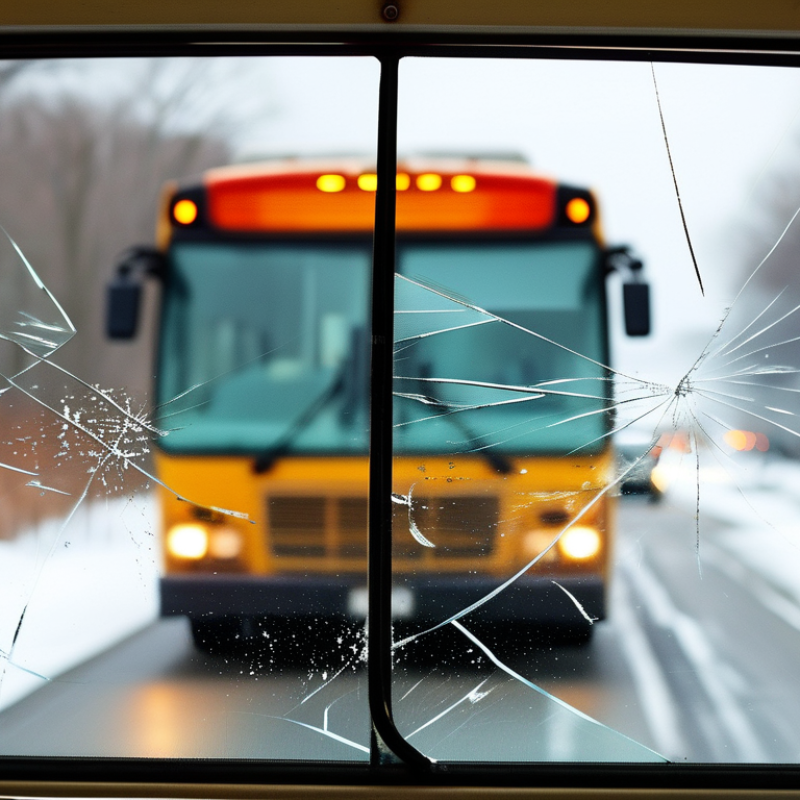
Assessing windshield damage in buses requires careful evaluation. Look for cracks or chips that disrupt the driver's view. Any damage near the edges can weaken the windshield's structural integrity. Even small blemishes can compromise safety, especially during high-speed travel.
Consider the size of the damage. A small chip might seem minor, but if it spreads, it can become a significant risk. Cracks longer than a dollar bill usually warrant immediate attention. It's crucial to inspect the depth as well. Damage penetrating through the layers may require replacement, while some superficial scratches could be repaired with resin.
Regular assessments are necessary for bus fleets. Train staff to identify damage quickly. Encourage drivers to report issues without hesitation. Relying on experience can enhance safety measures. Delaying repairs or replacements, however minor the damage seems, could lead to accidents and costly repairs later. Proper maintenance promotes safer journeys for everyone.
: Check for cracks and chips that affect the driver's view. Focus on damage near the edges and any substantial cracks.
A small chip can spread, increasing the risk during high-speed travel. Even minor issues should not be ignored.
If cracks exceed the length of a dollar bill, immediate attention is necessary. Depth of damage is also crucial.
Regular assessments are vital. Train staff to quickly identify and report issues without delay for safety.
A compromised windshield affects visibility and structural integrity, which can lower safety ratings and increase accident risks.
Inspect your windshield routinely. Address chips promptly and repair small cracks easily, but replace extensive damage.
They prevent costly repairs and enhance safety. Delaying fixes allows damage to worsen and increases accident risk.
Ignored damage can lead to serious accidents and costly repairs. Prioritizing maintenance is crucial for safety on the road.
Drivers should report any observed windshield damage immediately. Their vigilance plays a key role in maintaining safety.
While they may seem minor, addressing superficial scratches can prevent further damage. Regular care is essential for overall safety.
When assessing whether to replace or repair a bus windshield, it's crucial to understand the severity of the damage. Factors such as size, location of the crack or chip, and industry standards play a significant role in determining the best course of action. For commercial vehicles, complying with safety regulations is essential, as the integrity of the windshield directly impacts bus safety ratings.
When should I replace a bus windshield vs. repair it? A cost-benefit analysis reveals that while repairs may be less expensive initially, replacing a severely damaged windshield can ultimately enhance safety and compliance. Regular windshield inspections are recommended in fleet management to ensure ongoing safety and to prevent potential accidents caused by compromised visibility.

 Aero Glass