When it comes to public transport, safety is paramount. Buses are essential for urban mobility, and their safety features often include the type of glass used. This leads us to the question: What are the safety standards for bus glass in Europe? Understanding these standards is crucial for manufacturers and passengers alike.
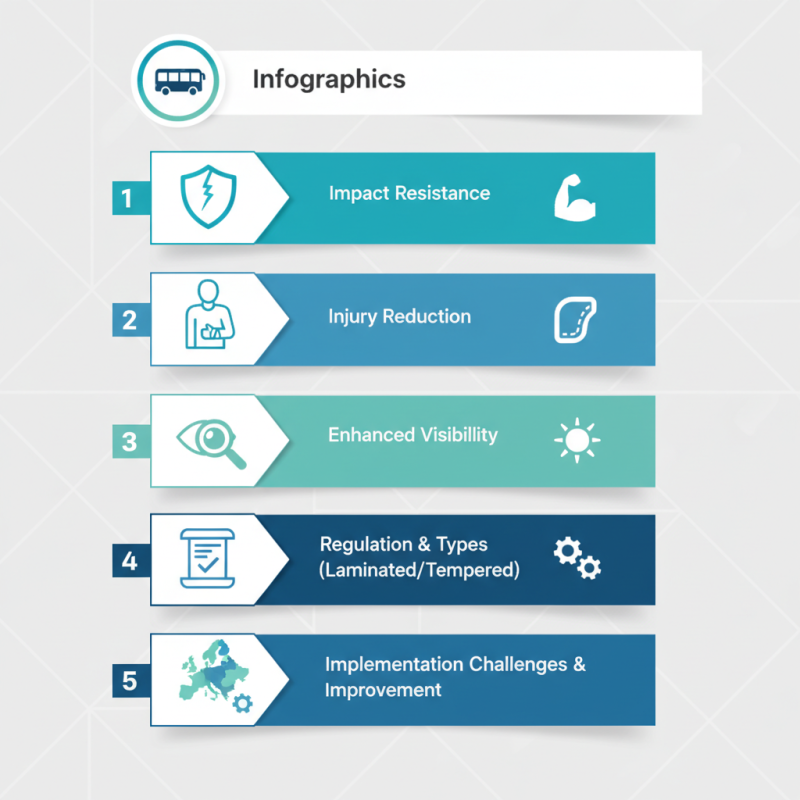
In Europe, precise regulations dictate the design and materials for bus glass. These standards ensure that the glass is strong enough to withstand impacts, reduce injury risks, and enhance visibility for drivers and passengers. Various guidelines take into account the types of glass used, whether laminated or tempered, and how they perform under different conditions.
However, not all standards are implemented equally across the continent. Some regions may face challenges in adhering to stringent guidelines. This inconsistency can create doubt about the overall safety of bus services. Awareness and continuous improvement in safety standards are essential for protecting lives on the road.
In the realm of public transportation, safety is paramount, especially when it comes to bus glass. Various safety standards exist to ensure that these materials withstand impact and provide a secure environment for passengers. In Europe, several key regulations shape the industry. The most vital among them is the ECE Regulation No. 43, which governs the safety of glazing materials. This regulation is crucial, as it dictates the test methods for mechanical performance and optical quality.
Moreover, reports indicate that laminated glass is preferred due to its ability to hold together upon impact, reducing the risk of injury. According to the European Commission, laminated glass can decrease the chances of shattering by up to 90%. However, installers often encounter challenges, such as the variation in glass thickness which can impact performance. It raises questions about the consistency of manufacturing and installation practices.
Another essential standard is the ISO 16940, which evaluates the resistance of glass to various hazards, including scratches and exposure to chemicals. Yet, not all manufacturers meet these standards uniformly, leading to potential gaps in safety measures. A study by the European Transport Safety Council noted that nearly 25% of bus accidents involve factors related to glass failure. These statistics underscore the critical need for adherence to safety standards in the industry.
| Safety Standard | Description | Impact on Safety | Compliance Requirement |
|---|---|---|---|
| ECE R43 | Regulates the manufacturing of vehicle glass to ensure safety against shattering. | Minimizes injury from glass shards during accidents. | Mandatory for all passenger and commercial vehicles in Europe. |
| EN 12150 | Standard for thermally toughened safety glass used in road vehicles. | Enhances overall safety by providing a durable solution to glass breakage. | Certification required for toughened glass used in bus applications. |
| EN 12600 | Standard for pendulum tests to determine the impact resistance of glass. | Assesses the glass's ability to withstand impacts, ensuring passenger safety. | Compliance is necessary for all glass in public transport vehicles. |
| ISO 12543 | Standard for laminated safety glass used in construction and automotive applications. | Prevents glass from breaking into sharp shards during accidents. | Necessary for the production of laminated glass for buses. |
| FMVSS 205 | Federal Motor Vehicle Safety Standard pertaining to glazing materials). | Ensures all transport glass meets specific performance criteria. | Compliance required for vehicles manufactured for sale in specific markets. |
: The EN 12600 standard tests impact resistance for bus glass. It ensures passenger safety during public transportation.
Testing involves dropping a specific weight from a certain height onto the glass. Results determine glass suitability for buses.
Strong glass prevents shattering, reducing injury risk from sharp shards during accidents. It is critical for passenger safety.
Environmental factors, like temperature fluctuations, can weaken glass. Proper installation and maintenance are very important.
ECE R43 standardizes bus glass manufacturing and ensures safety and performance criteria. Compliance is vital for industry uniformity.
Variability in production techniques can lead to non-compliance. This poses risks for both consumers and operators.
ISO 16940 outlines durability and performance requirements. It ensures glass withstands extreme weather and impacts effectively.
It assesses resistance to stress and thermal fluctuations. Regular evaluations help identify potential weaknesses in bus glass.
Flaws in quality control can occur, leading to safety measure effectiveness concerns. Regular audits are crucial for maintaining standards.
Regular training is vital to keep up with advancements in glass technology. It helps maintain safety and performance standards effectively.
The article titled "Top 5 Safety Standards for Bus Glass in Europe Explained" outlines the essential safety standards that govern bus glass manufacturing and performance in Europe. Key among these is EN 12600, which focuses on impact resistance testing, ensuring that bus glass can withstand significant force without shattering. Another critical standard is ECE R43, which establishes uniformity in manufacturing practices to maintain consistent quality across products. The role of laminated glass is also pivotal in enhancing passenger safety by minimizing the risk of injuries during accidents.
Additionally, compliance with ISO 16940 ensures that the glass used in buses meets durability and performance standards necessary for long-term safety and reliability. Overall, these safety standards for bus glass in Europe are vital in safeguarding passengers and promoting trust in public transportation systems. What are the safety standards for bus glass in Europe? This article provides a comprehensive overview, highlighting their importance in the transportation industry.

 Aero Glass