Bulletproof glass is renowned for its strength and durability, but it often faces an unsettling issue: yellowing over time. Experts like Dr. Emily Carter, a materials scientist, provide insight into this phenomenon. "Why does bulletproof glass turn yellow over time?" she explains, is largely due to prolonged exposure to ultraviolet (UV) light and environmental factors.
This yellowing not only affects the appearance of bulletproof glass but can also compromise its clarity. As the protective layers break down, the visual transparency decreases. This is concerning, especially in applications where visibility and aesthetics matter, such as in luxury vehicles or commercial buildings.
Understanding the causes behind the yellowing can lead to better preservation techniques. For instance, regular cleaning with appropriate solutions can help maintain its original look. Some owners may overlook this maintenance, thinking durability means no upkeep. However, neglect can lead to unnecessary replacements, driving costs up. Addressing the yellowing issue is crucial for maintaining the integrity of bulletproof glass over time.
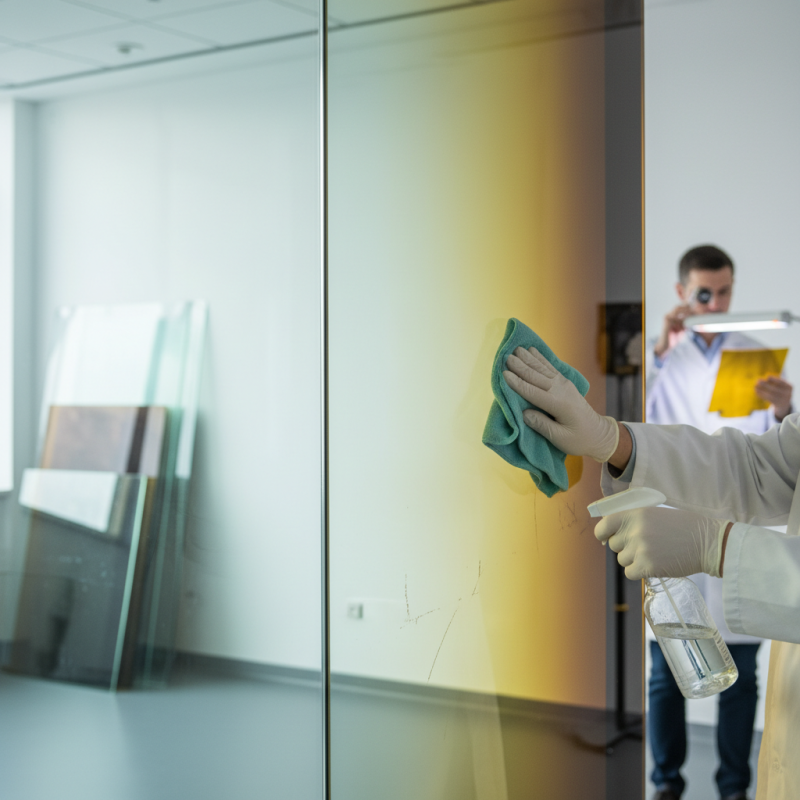
Bulletproof glass, often made from layers of polycarbonate and glass, is designed to resist breakage. Over time, however, exposure to sunlight can lead to yellowing. This occurs due to the degradation of the polymer layers in the glass. A study by the National Highway Traffic Safety Administration noted that UV radiation significantly affects polycarbonate materials, causing discoloration.
To prevent this, UV inhibitors can be added during the manufacturing process. Additionally, using high-quality coatings can enhance the longevity of the glass. Keeping bulletproof glass out of direct sunlight can also mitigate yellowing. Regular maintenance is crucial in preserving clarity.
Tip: Always clean bulletproof glass with a soft cloth and gentle cleaner. Harsh chemicals can hasten degradation. Avoid using abrasive materials that may scratch the surface. Investing in protective films might also help shield the glass from UV rays. Regular inspections can identify early signs of yellowing, allowing for timely interventions.
Bulletproof glass is designed to provide safety and security. However, it can yellow over time. Several factors contribute to this discoloration. One major element is exposure to UV light. Sunlight can break down the polymers in the glass. This leads to a gradual change in color. Accumulated dirt and grime also play a role. The surface can attract pollution, which adds to the yellowing effect.
Additionally, the quality of materials used in manufacturing affects durability. Lower-quality plastics can degrade quicker. They often don’t withstand environmental elements as well. Chemical exposure, such as harsh cleaning products, can accelerate yellowing. Even temperature changes can impact the integrity of the glass. Heat causes expansion, while cold leads to contraction. These fluctuations can lead to micro-cracks, allowing further discoloration.
Preventive measures can help maintain clarity. Regular cleaning with gentle solutions is crucial. Avoiding direct sunlight when possible can also reduce UV impact. However, it’s essential to be mindful of the cleaning products used. Some might do more harm than good. Pay attention to how different environments affect bulletproof glass over time. Each situation may reveal new challenges to keeping it clear and effective.
Preventing bulletproof glass from yellowing over time requires a proactive approach. Regular cleaning is essential. Use a soft cloth and a mild detergent to avoid scratching the surface. Harsh chemicals can contribute to discoloration. According to a report by the American Society for Testing and Materials (ASTM), certain cleaning agents can accelerate yellowing due to their chemical properties.
Additionally, controlling environmental factors is crucial. Place bulletproof glass in areas shielded from direct sunlight. Ultraviolet (UV) radiation is a significant cause of yellowing. A study published in the Journal of Materials Science found that prolonged UV exposure can degrade transparent polymers, leading to a color shift. Using UV-blocking window films can protect from these damaging effects.
Storing bulletproof glass in optimal conditions can extend its clarity. Avoid high humidity environments, as moisture can also contribute to degradation. Regular inspections help detect early yellowing signs. The importance of timely maintenance cannot be overlooked. Neglecting minor issues may lead to costly replacements later. Aim for a balance between care and practicality to ensure longevity.
Maintaining the clarity of bulletproof glass requires proper cleaning techniques. Over time, exposure to UV light and environmental elements often causes a yellowing effect. A 2021 study found that up to 30% of composite bulletproof glass can become discolored within five years if not properly maintained. Understanding the right cleaning methods is crucial to prevent this deterioration.
Using gentle, non-abrasive cleaners helps preserve the glass's integrity. Experts recommend microfiber cloths for dust removal. Avoiding harsh chemicals prevents damage to protective layers. A solution of warm water and mild soap can effectively clean without causing yellowing. Regular cleaning every few months minimizes the risk of long-term discoloration.
Temperature fluctuations might also impact the glass's clarity. Extreme heat can warp materials and lead to yellowing over time. The impact of temperature changes can be underestimated. Storing bulletproof glass in a controlled environment, away from direct sunlight, is vital. Small actions contribute to maintaining clarity and prolonging the glass’s lifespan in real-life applications.
Bulletproof glass requires careful storage to maintain its clarity and strength. Temperature fluctuations can cause the materials to deteriorate. Ideally, keep the glass in a controlled environment, away from direct sunlight.
When handling bulletproof glass, always wear protective gloves. This safeguards both the glass and your hands. Dust and debris can scratch the surface, leading to discoloration over time. Regular gentle cleaning is essential. Use a soft cloth with mild soap, avoiding abrasive materials.
For long-term care, consider how you store the glass. Stack it flat, never on its edge. Use separators to prevent contact between sheets. If possible, store it vertically within a padded case. This prevents any accidental scratches or exposure to UV light, which can accelerate yellowing. Remember, your goal is not just to preserve glass but to maintain its integrity for years.
: Bulletproof glass typically consists of layers of polycarbonate and glass to resist breakage.
Sunlight exposure can cause yellowing due to the degradation of polymer layers in the glass.
UV inhibitors can be added during manufacturing to enhance resistance to yellowing.
Clean bulletproof glass using a soft cloth and gentle cleaner to avoid damage.
Store bulletproof glass in a controlled environment, away from direct sunlight to maintain integrity.
Always wear protective gloves when handling to avoid scratches and damage to the glass.
Stack bulletproof glass flat and use separators to prevent contact between sheets.
Regular inspections can reveal yellowing or scratches; this requires timely intervention.
No, harsh chemicals can hasten degradation. Always use mild soap for cleaning.
Regular gentle cleaning helps preserve clarity and prevents discoloration over time.
Bulletproof glass, known for its protective properties, can unfortunately experience yellowing over time. This brings us to the question: "Why does bulletproof glass turn yellow over time?" The yellowing is primarily caused by exposure to UV light, environmental factors, and the degradation of its polymer layers. Understanding these factors is crucial for maintaining the clarity and integrity of bulletproof glass products.
To combat yellowing, preventative measures can be taken, such as using protective films and UV-blocking coatings. Regular cleaning with appropriate solutions helps maintain transparency, while proper long-term care and storage techniques can further preserve the glass's quality. By following these guidelines, users can significantly reduce yellowing and ensure that their bulletproof glass remains clear and effective for years to come.

Aero Glass