How to Test Fireproof Glass Effectiveness Before Canton Fair 2026?

Time:2026-03-27 Author:Amelia
0%

Preparing for the Canton Fair 2026 is crucial for suppliers in the fireproof glass industry. With advancements in technology and product standards, it’s vital to know how to test if my fireproof glass is still effective. Fire safety regulations are stringent, and verifying the integrity of your products can prevent risks.

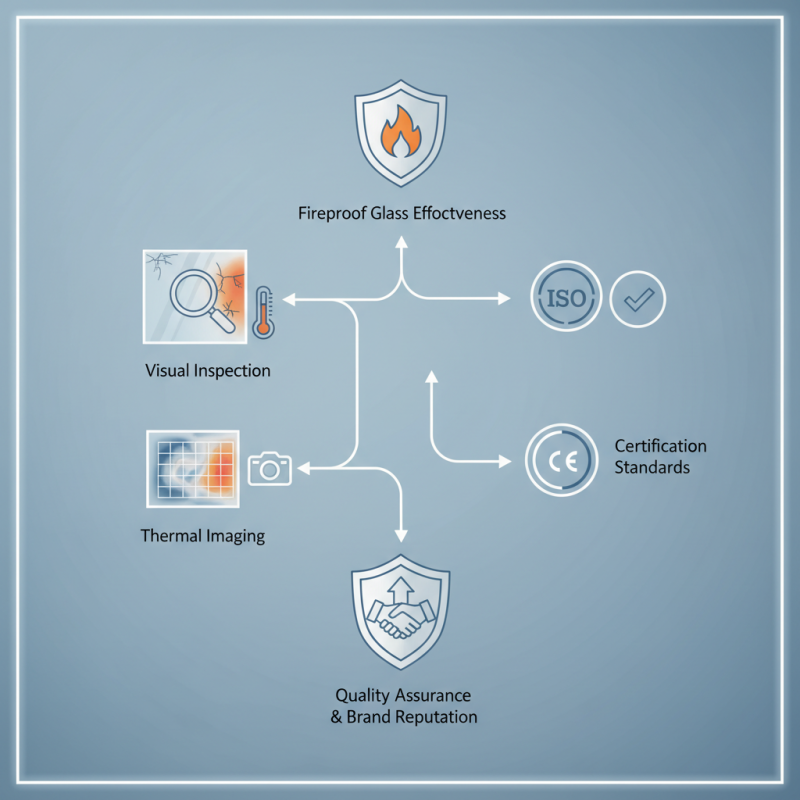
Testing fireproof glass involves examining its thermal resistance and structural integrity. This might include visual inspections for cracks, distortions, and discoloration. Using thermal imaging can also provide insights into performance under extreme conditions. The goal is to ensure that products meet certification standards, such as ISO and CE, highlighted at the fair.

Quality assurance is crucial for maintaining trust. A lack of thorough testing might lead to compliance issues, potentially endangering safety. Engaging in a rigorous examination process not only boosts product reliability but also enhances brand reputation. Remember, even small lapses in quality can result in significant consequences. Proper testing is a step towards better safety and accountability in the industry.
How to Test Fireproof Glass Effectiveness Before Canton Fair 2026?

Understanding Fireproof Glass Standards and Certifications

Fireproof glass is essential for safety in many buildings. It is crucial to understand its standards and certifications. Different countries have varying requirements. For instance, Europe follows EN 1364 standards, while the U.S. employs ASTM certifications.

Testing fireproof glass requires specific methods. One method is exposing the glass to flames for a specific duration. Observing how it performs under pressure is key. Does it crack? How quickly does it fail? These questions matter. Additionally, understanding the glass's temperature ratings helps buyers make informed choices.

However, many buyers overlook certification details. They might not know the difference between various ratings. Misunderstandings can lead to poor decisions. It’s important to ask about test results and documentation. When purchasing fireproof glass, always verify its compliance with relevant standards. This diligence is crucial for ensuring safety.

How to Test Fireproof Glass Effectiveness Before Canton Fair 2026?

Test Method Standard Duration (Minutes) Temperature (°C) Certification Body
Fire Resistance Test EN 1363-1 30 1000 LPCB
Fire Resistance Test ASTM E119 60 1000 UL
Fire Performance Test NFPA 252 90 1093 NFPA
Fire Resistance Test AS 1530.4 120 1200 SAA

Evaluating Heat Resistance: Key Metrics and Testing Methods

Evaluating the effectiveness of fireproof glass requires careful consideration of its heat resistance. One key metric is the glass's ability to withstand high temperatures without compromising structural integrity. Testing methods vary, but most involve exposing samples to controlled heat sources. The duration of exposure is also crucial. Short bursts of extreme heat can differ significantly from prolonged exposure.

Another important aspect is the glass's thermal shock resistance. This measures how well the material can handle sudden temperature changes. It is common to subject the glass to rapid cooling after heating. Cracks or fractures may appear, indicating weaknesses in the material. Observations during testing can reveal a lot about how the glass will perform in real-world situations.

Most tests require specialized equipment. This means not all facilities can conduct thorough evaluations. Relying on standardized methods helps ensure consistency, but variations can lead to unexpected results. It’s essential to document every aspect of the testing process, including ambient conditions. Not all imperfections are apparent at first glance, and a comprehensive approach is key to achieving reliable results.

Impact Resistance Testing for Fireproof Glass Durability

Testing the impact resistance of fireproof glass is critical for ensuring safety in various environments. According to the National Fire Protection Association (NFPA), fireproof glass should withstand significant mechanical impacts while maintaining its protective qualities. The minimum required impact force often exceeds 350 pounds, which translates to about 1,550 Newtons. This ensures the glass can endure accidental bumps and possible vandalism without breaking.

The testing process involves controlled scenarios where samples are struck with a standardized weight from a specific height. For instance, a drop test may use a 50 kg weight falling from 1 meter. Such rigorous testing reflects real-world conditions, helping manufacturers improve their products. Industry findings indicate that while many fireproof glasses meet initial standards, repeated tests reveal varying durability levels under different circumstances. Some products that pass initial checks fail upon repeated impacts, indicating a need for reassessment.

Understanding these dynamics aids manufacturers in refining their offerings. Regular testing before significant events, like the Canton Fair 2026, ensures compliance and enhances market trust. Continuous improvement is essential, as not all fireproof glasses perform equally over time. Testing reveals this variability, pushing the industry forward.

Impact Resistance Testing for Fireproof Glass Durability

The Role of Temperature Ratings in Fireproof Glass Performance

Temperature ratings play a crucial role in determining the effectiveness of fireproof glass. These ratings indicate how long the glass can withstand high temperatures during a fire event. According to industry standards, fireproof glass is typically rated for 30, 60, or even 90 minutes of fire resistance. Understanding these ratings helps in selecting the right glass for various applications.

Testing fireproof glass involves assessing its performance under direct heat exposure. The glass should maintain its integrity while preventing smoke and flames from passing through. A report from the National Fire Protection Association states that improper testing can lead to misleading results. It is vital to conduct tests in controlled environments. Random field tests may not provide accurate performance data.

Tips for Testing: Make sure to follow standardized procedures outlined in recent fire safety reports. Prioritize certified labs and thoroughly document the results. Seek third-party assessments to validate your findings.

Keep in mind that even with proper ratings, no glass is entirely fireproof. Temperature fluctuations and prolonged exposure can weaken its structure. This highlights the need for regular inspections. Not all fireproof glass performs equally under varying conditions, so continuous stress testing is essential.

Analyzing Fireproof Glass Failures: Case Studies and Data Insights

Testing the effectiveness of fireproof glass is crucial, especially before major events like the Canton Fair 2026. Analyzing case studies reveals various failures. These failures are not just numbers; they represent real-life consequences. For instance, one case involved a building where fireproof glass failed during a fire. The glass cracked and shattered, allowing flames to spread rapidly. This incident raises significant concerns about quality standards.

Data insights show that improper installation is a common factor. Many installers overlooked precise alignment and sealing. Another failure point often noted is manufacturing defects. Even small flaws can compromise the integrity of fireproof glass. One report highlighted a batch with microcracks that went unnoticed during quality checks. These hidden issues can lead to catastrophic results.

Testing protocols must be rigorous and comprehensive. A simple drop test or heat exposure evaluation is not enough. Real-life scenario simulations can provide better insights. It's essential to continually assess materials used in production. Even when standards are met, the real effectiveness can vary. This ongoing reevaluation is vital to ensure safety in future applications.

FAQS

: Why is fireproof glass important?

: Fireproof glass enhances safety in buildings by preventing the spread of fire.

What are the standard certification methods for fireproof glass?

Different regions use different standards. For example, EN 1364 in Europe and ASTM in the U.S.

How is fireproof glass tested?

Testing involves exposing glass to flames and observing its performance under pressure.

What should buyers know about certification?

Buyers often overlook certification details. Misunderstandings can lead to poor purchasing decisions.

How does heat resistance affect fireproof glass?

Heat resistance is vital. It determines how well glass holds up under high temperatures.

What is thermal shock resistance?

It measures the glass's ability to handle sudden temperature changes without cracking.

Why is specialized equipment necessary for testing?

Specialized equipment ensures thorough evaluations, but not all facilities have access to it.

What role does documentation play in testing?

Documentation is crucial for tracking conditions and ensuring consistent test results.

Are all imperfections noticeable in fireproof glass?

Not all flaws are obvious. A comprehensive evaluation is necessary for reliability.

What can influence testing results?

Variations in testing methods and ambient conditions can lead to unexpected outcomes.

Conclusion

Fireproof glass is essential for ensuring safety in various environments, and understanding its effectiveness is crucial. To determine "how to test if my fireproof glass is still effective?", one should first familiarize themselves with fireproof glass standards and certifications that dictate its performance criteria. Evaluating heat resistance through key metrics and testing methods, such as thermal conductivity and resistance to temperature fluctuations, is vital.

Additionally, assessing impact resistance helps gauge the durability of the glass under extreme conditions. Temperature ratings play a significant role in fireproof glass performance, as they indicate its capability to withstand heat for a specific duration. Analyzing real-world case studies and failure data can provide valuable insights into common weaknesses and guide users in maintaining the integrity of their fireproof glass installations. By following these procedures, one can ensure their fireproof glass continues to meet safety standards.

Amelia

Amelia

Amelia is a seasoned marketing professional with a wealth of expertise in our company’s core offerings. With an unwavering passion for driving growth and innovation, she plays a pivotal role in shaping our marketing strategies and enhancing brand visibility. A key aspect of her responsibilities......