Can I Use Domestic Glass for Agricultural Vehicle Repairs?

Time:2026-05-03 Author:Sienna
0%

When it comes to repairing agricultural vehicles, the choice of materials is crucial. A common question that arises is, "Can I use domestic glass for agricultural vehicle repairs?" John Smith, a leading expert in agricultural equipment maintenance, asserts, "Using the right materials can significantly impact vehicle performance."

Domestic glass is widely available and often cheaper. However, it may not meet the specific durability requirements for agricultural use. Unlike specialized glass, domestic glass lacks resistance to impacts and harsh weather. This concern is vital for machinery that operates in tough conditions. Smith emphasizes, "Not all glass is created equal; make informed choices."

While some farmers might opt for domestic glass to save on costs, this decision could lead to longer-term problems. Potential risks include increased breakage and the need for more frequent replacements. Exploring specialized glass options can seem daunting, yet such materials ensure reliability and longevity. Each repair decision shapes the efficiency of agricultural operations, making it essential to weigh options carefully.
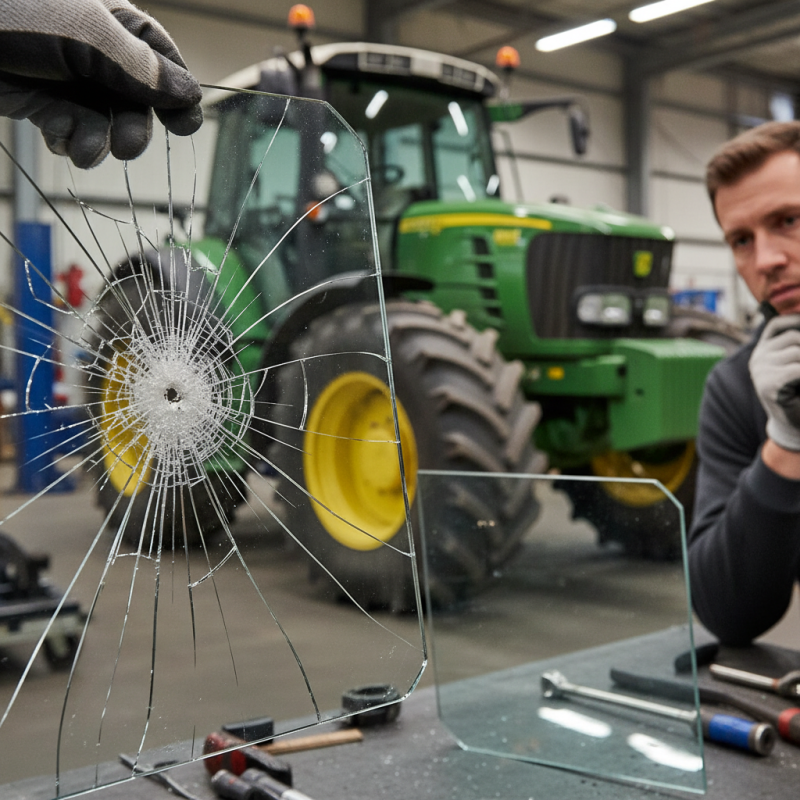
Can I Use Domestic Glass for Agricultural Vehicle Repairs?

Understanding Domestic Glass vs. Agricultural Glass Requirements

When considering repairs for agricultural vehicles, understanding the differences between domestic glass and agricultural glass is crucial. Domestic glass is typically designed for homes and light vehicle use. It may not withstand the demanding environments faced by agricultural machinery. Agricultural glass is engineered to be more robust, made to resist impacts, UV rays, and extreme weather conditions.

Using domestic glass can lead to serious issues. It may crack under pressure or fail during operation. Such failures can pose safety risks to operators and others nearby. Moreover, domestic glass might not have the necessary certifications required for agricultural use. Always ensure that the glass meets industry standards for energy absorption and durability.

Tips: Always check for compatibility with agricultural machinery requirements. Consult with experts who can provide guidance tailored to your needs. If repairs are vital, consider professional services that specialize in agricultural glass. They can ensure you get the right materials and expertise for safe and durable repairs. Remember, cutting corners with the wrong type of glass can lead to costly mistakes down the line.

Types of Domestic Glass Suitable for Vehicle Repairs

When it comes to repairing agricultural vehicles, domestic glass can sometimes serve a purpose. However, not all types of glass are suitable. For instance, tempered glass is known for its strength. It can withstand the rigors of agricultural environments, making it a plausible option for minor repairs. The durability of this material could offer a temporary fix, but it's wise to consider its long-term reliability.

Another type to consider is laminated glass. This glass consists of two layers with a plastic interlayer. This construction prevents shattering and increases safety. While laminated glass could be beneficial, it may not achieve the same structural integrity required in heavy-duty vehicle repairs. The weight and size of agricultural vehicles can also challenge the effectiveness of domestic glass solutions.

Using domestic glass comes with caveats. It's essential to reflect on potential risks. Improper installation can lead to failures during operation. Additionally, weather elements can impact the glass's performance. Assessing the environment in which the vehicle operates is crucial. Ultimately, while domestic glass might provide a short-term remedy, assessing the applicability and limitations is vital for safety and functionality.

Legal Considerations for Using Domestic Glass in Agriculture

Using domestic glass for agricultural vehicle repairs raises several legal considerations. Many farmers might think about using common glass as an alternative due to cost savings. However, regulations often dictate the materials used in agricultural vehicles to ensure safety and durability.

The legal framework varies widely by region. Some areas require compliance with specific standards for vehicle repairs. This includes using materials that can withstand harsh conditions and potential impacts. Domestic glass may not meet these stringent criteria. It lacks the necessary strength and resilience for agricultural applications.

Moreover, relying on substandard materials can lead to further complications. It might result in liability issues if an accident occurs due to improper repairs. Farmers should consider consulting with experts in agricultural vehicle repairs. Understanding local regulations is crucial. Ultimately, ensuring compliance with safety standards protects not just the vehicle, but the farmer's livelihood as well.

Risks and Challenges of Using Domestic Glass for Repairs

When considering agricultural vehicle repairs, the choice of glass is crucial. Using domestic glass may seem cost-effective, but it carries significant risks. Domestic glass often lacks the durability required to withstand environmental stressors. These vehicles operate in rough terrains and extreme conditions, which can lead to premature breakage. This presents safety hazards for operators and nearby workers.

Long-term exposure to agricultural elements can lead to failure in domestic glass over time. It does not perform well under vibrations, common in farm operations. Therefore, the potential for accidents rises. The filtering of harmful UV rays is another challenge. Domestic glass often doesn’t provide the same protection as specialized agricultural glass.

**Tips for Choosing Glass for Repairs:**
Always consult a professional before making a choice. Understanding the specific needs of your vehicle can save time and money. Consider investing in glass designed explicitly for agricultural use. This option may be pricier upfront but can save you from costly repairs down the line. Remember, safety should be a priority in your equipment decisions.

Can I Use Domestic Glass for Agricultural Vehicle Repairs?

Best Practices for Repairing Agricultural Vehicles with Domestic Glass

When repairing agricultural vehicles, selecting the right glass is crucial. Domestic glass can often seem like a viable option due to its availability and cost-effectiveness. However, it is essential to ensure the glass meets specific standards for durability and resistance to environmental factors. Research shows that up to 70% of agricultural vehicle glass failures are due to inadequate material choice. It highlights the importance of selecting glass specifically designed for rugged agricultural use.

Using domestic glass may pose risks, such as cracks or shattering from impacts common in farming environments. Many professionals recommend using tempered glass or laminated glass, which can absorb shocks better and resist breakage. According to the National Farm Safety Council, almost 25% of accidents in agricultural settings involve machinery failures. These incidents could often be prevented by ensuring that repairs use the correct materials.

While cutting costs is appealing, the long-term safety of operators must be prioritized. Consider the wear and tear on agricultural vehicles. The glass should withstand sun exposure, dust, and vibrations. Inadequate glass repair can lead to more extensive damage over time, further escalating repair costs. Be aware of these factors as you make decisions regarding repairs. Investing in suitable materials can ultimately lead to higher efficiency and safety on the farm.

FAQS

: Why is using domestic glass for agricultural vehicle repairs risky?

: Domestic glass often lacks strength and resilience, risking safety and durability in harsh farming conditions.

What are the potential legal issues with using improper materials for repairs?

Using substandard materials can lead to liability issues if accidents occur due to inadequate repairs.

How can I ensure compliance with local regulations for vehicle repairs?

Farmers should consult with experts and understand local regulations to meet safety standards for repairs.

What type of glass is recommended for agricultural vehicle repairs?

Tempered or laminated glass is often recommended, as these types better absorb shocks and resist breakage.

What percentage of agricultural vehicle glass failures are due to poor material choice?

Research indicates that up to 70% of failures relate to choosing inadequate materials for repairs.

How does inadequate glass repair affect long-term costs?

Poor quality repairs can lead to extensive damage over time, escalating future repair expenses significantly.

What factors should I consider when selecting glass for repairs?

Consider durability, resistance to environmental factors, and ability to withstand vibrations and sun exposure.

Are there safety concerns related to agricultural vehicle failures?

Yes, nearly 25% of accidents in farming involve machinery failures, often preventable through proper repairs.

Is cutting costs on repairs worthwhile?

While appealing, prioritizing long-term operator safety over short-term savings is crucial.

What environmental factors can impact the choice of repair materials?

Sun exposure, dust accumulation, and vibrations can all influence the effectiveness of glass used in repairs.

Conclusion

The question "Can I use domestic glass for agricultural vehicle repairs?" is addressed through an exploration of the differences between domestic and agricultural glass requirements. While certain types of domestic glass may be suitable for repairs, it's crucial to understand their limitations in terms of durability and safety.

Legal considerations also play a significant role, as regulations might dictate the materials that can be employed in agricultural settings. Furthermore, users face risks and challenges, including potential liability issues and the performance of repaired vehicles. To ensure a successful repair process, best practices should be followed, emphasizing the need to evaluate the glass's suitability and adhering to safety guidelines.

Sienna

Sienna

Sienna is a skilled marketing professional with a deep expertise in our company’s core products and services. With a passion for innovation and detail, she plays a pivotal role in crafting insightful blog posts that not only highlight the unique features of our offerings but also provide valuable......