A fire-rated glass panel is part of a tested assembly, not a stand-alone promise. Its frame, glazing beads, seals, hardware, and installation all matter. A hairline crack, loose bead, or damaged label near a doorway may signal a problem that a quick glance misses. Looks fine. May fail.
The NFPA report Fire Loss in the United States During 2023 estimated 1,389,000 fires and 3,670 civilian fire deaths. Those figures do not measure glazing failures, but they show why fire protection deserves routine attention. NFPA 80, developed by its technical committee, calls for fire door assemblies to be inspected and tested at least annually. That requirement is a useful reference point; it does not prove that every glass installation follows the same inspection schedule.
So, How to test if my fireproof glass is still effective? Begin with the product identification and installation records, then have a qualified glazing or fire-door professional inspect the complete assembly against its listing and applicable requirements. Look for cracks, edge damage, altered sealant, loose framing, and missing or unreadable labels. Do not treat a visual check as proof of fire performance. It cannot reproduce a fire test. I would also avoid improvised heat tests; they can damage the barrier and still tell you little about its rating. A careful inspection may feel less decisive than a dramatic test, but that restraint is part of reliable fire-safety practice.
Fire-rated glass is designed to hold back fire for a tested period, not to remain safe indefinitely. Depending on its rating, it may resist flames and hot gases, limit smoke passage, or also reduce heat moving through the opening. That distinction matters: some fire-protective glazing can block flames while still allowing dangerous radiant heat to pass.
Performance depends on the complete assembly. The glass, frame, seals, and fasteners work together, and fire tests such as NFPA 257 evaluate window and glass-block assemblies under controlled conditions. A rating applies to the tested configuration, not automatically to a pane installed in a different frame. Small details matter.
The scale of fire risk is real. NFPA’s Fire Loss in the United States During 2023 estimated 1,389,000 fires, 3,670 civilian deaths, and $23.2 billion in property damage. Fire-rated glazing helps preserve compartmentation and protect escape routes, but it cannot guarantee a safe room. A cracked pane, damaged seal, or unapproved alteration may undermine the intended performance. Looks can mislead. Visual checks help spot damage, but they cannot confirm a fire rating; inspection should be matched to the assembly’s tested specifications.
Fire-resistant glass does not stay dependable simply because it looks intact. Heat, moisture, impact, and poor installation can weaken its performance over time. A small crack matters. So can a chipped edge, a loose bead of sealant, or a frame that has shifted after repeated door slams.
Some fire-resistant panes contain layered materials that swell when heated. Persistent dampness may cloud certain interlayers or damage seals; strong sunlight can also age some materials. Metal frames may corrode, and replacement parts may not match the original assembly. A clear pane is not proof of protection. I have seen how easy it is to focus on the glass and overlook the frame around it.
The rating applies to a tested assembly, not just a piece of glazing. Changes to seals, gaskets, fixings, or hardware can affect how the whole unit performs. Inspect for cracks, haze, edge damage, gaps, corrosion, and signs of water entry. Keep records of installation and repairs. If anything has changed, ask a qualified fire-door or glazing professional to check the assembly against its documentation. Visual checks help, but they cannot confirm a fire rating.
Fire-rated glass can look intact while its protective layers have begun to change. Look closely in daylight. Fine cracks, chipped corners, deep scratches, or star-shaped impact marks deserve attention, especially near the edges. A milky haze, yellowing, bubbles, or cloudy bands between layers may signal moisture entry or separation. Not every mark means failure. Still, a small flaw can matter if it spreads or affects a critical area. Residue and damage can look surprisingly similar, so a quick wipe is not a reliable assessment.
Check the frame and surrounding seals too. Look for shrunken, split, loose, or missing gaskets, gaps around the pane, rust staining, or a frame that has shifted. Condensation between glass layers is different from moisture on the surface, and should not be ignored. Photograph the area and note when the mark appeared. Do not guess. Avoid scraping, polishing, or applying heat; these actions can worsen damage or hide evidence. A visual check cannot confirm fire performance. Ask a qualified glazing or fire-safety professional to assess questionable glass against its product documentation and installation details. If its condition remains uncertain, arrange an inspection before relying on it for protection.
Fire-rated glass is part of a tested assembly, not just a pane. Start by locating its identification marks and installation records. These may show the fire rating and the frame or seal system it was tested with. Compare them with the documents for the installed opening.
If records are missing, note that uncertainty rather than guessing.
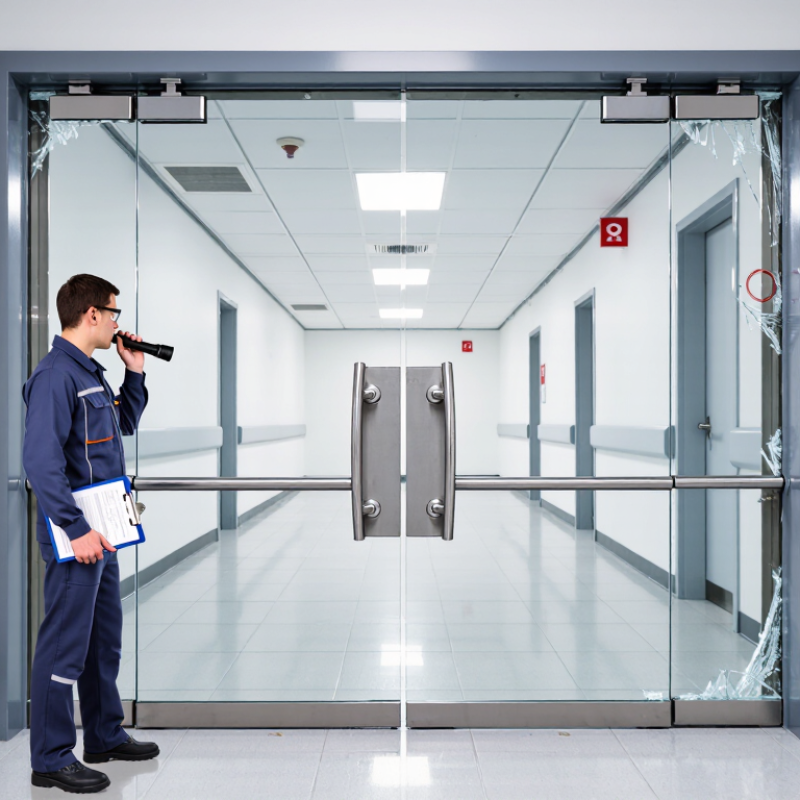
Inspect both sides in good light. Look for cracks, chips, deep scratches, cloudiness, or signs of impact. Check the frame, glazing beads, seals, and nearby hardware for looseness, gaps, or damage. On a fire-rated door, confirm that it closes and latches correctly.
Looks fine. But appearance alone cannot prove the glass will withstand fire.
I would not rely on a quick visual check as a performance test.
Have a qualified fire-protection professional assess any damage or mismatch against the assembly’s approved documentation. Ask them to record their findings and explain any limits in the inspection.
Do not use a torch or other improvised heat test; it can cause damage and offers no reliable rating.
If the glass type or installation cannot be verified, treat its performance as uncertain until it has been assessed.
That detail is easy to miss.
Arrange a professional inspection after impact, renovation, water leakage, or any change to the frame or surrounding sealant. Cracks, chips, cloudy patches, loose beads, and damaged labels are clear warning signs. Yet appearance alone cannot confirm performance. An intact-looking pane may still have hidden damage or an altered fire-rated assembly. Don’t drill, polish, or replace components yourself; small changes can affect how the complete assembly performs.
NFPA 80, a widely used fire-door standard, calls for fire-door assemblies to be inspected at least annually. Where fire-rated glass forms part of such an assembly, ask a qualified inspector to confirm the applicable inspection requirements and document the result.
NFPA’s U.S. Fire Loss report estimated 1.39 million fires in 2023. That figure is a reminder that inspection is practical risk management, not just paperwork.
Seek an inspection promptly if the glass has been struck, the frame is bent, or smoke seals look loose or brittle. Ask the inspector to verify the glass marking, frame, hardware, seals, and installation details against the approved assembly documentation. Replacement may be needed when damage is confirmed or the correct rating cannot be verified.
Sometimes the pane looks fine. The paperwork does not.
Tips: Keep inspection records and clear photos of labels and damage. Never assume ordinary replacement glass is an equivalent substitute.
It can resist flames and hot gases for a tested period. Some types also limit smoke or heat transfer. Not forever.
No. Some glazing blocks flames but still lets dangerous radiant heat pass through.
The glass, frame, seals, and fasteners work as one tested assembly. A different frame may change its performance.
Look for cracks, chips, deep scratches, cloudiness, loose beads, gaps, or damaged seals. Check both sides in good light.
No. A clear pane may still have an unverified rating or installation mismatch. Looks can mislead.
Check its identification marks and installation records. Compare them with documents for the installed frame and seals. If records are missing, do not guess.
Ask a qualified fire-protection professional to assess it against approved assembly documents. Request written findings and note any inspection limits.
No. Improvised heat tests can cause damage and cannot confirm a fire rating. I would not rely on one.
Treat its performance as uncertain until a professional assesses it. I may be cautious, but guessing feels worse.
Fireproof glass is designed to help contain flames, heat, and smoke for a specified period, supporting safer evacuation and limiting the spread of a fire. However, its performance may decline over time because of impact, scratches, unsuitable cleaning products, exposure to moisture or temperature changes, or deterioration of seals and framing. Cracks, chips, cloudy areas, discoloration, loose fittings, or damaged edges can be warning signs that the glass or its surrounding assembly needs attention.
How to test if my fireproof glass is still effective? Begin with a careful visual check and review any available product markings, installation records, and maintenance history. A visual check alone cannot confirm fire resistance, so avoid relying on appearance as proof of performance. Arrange a qualified professional inspection if damage is visible, the glass has been altered, or its history is unclear. The inspector can assess the glazing system and advise whether maintenance, further evaluation, or replacement is appropriate.

Aero Glass