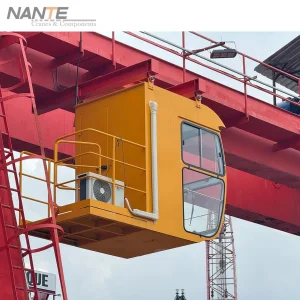
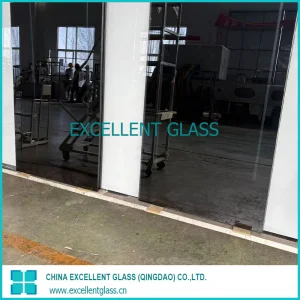
Ultraviolet (UV) radiation poses significant challenges in modern structural, maritime, and automotive engineering. High-energy solar radiation accelerates material degradation, compromises internal thermal control, and increases skin-damage risks for vehicle operators and passengers. As a result, the demand for high-performance Ultraviolet Protective Glass has risen across many industrial and commercial sectors.
Globally, ultraviolet protective glass is classified based on its UV blocking efficiency, total solar energy transmittance, and structural integrity. Standard monolithic float glass blocks the majority of short-wavelength UVB rays (280-315 nm), but remains highly transparent to long-wavelength UVA rays (315-400 nm). The latter is primarily responsible for the discoloration of interiors and skin damage. Specialized engineering methods, such as utilizing metal-oxide doped formulations and laminated polycarbonates, are required to block up to 99.9% of total UV spectrum radiation while maintaining high visible light transmission (VLT).
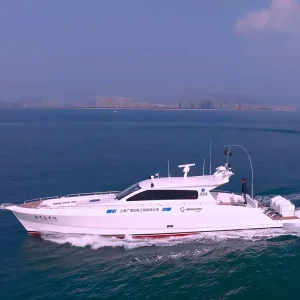
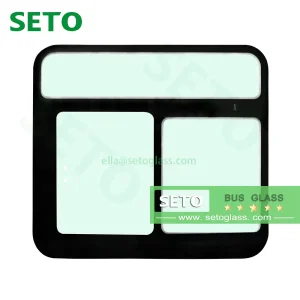
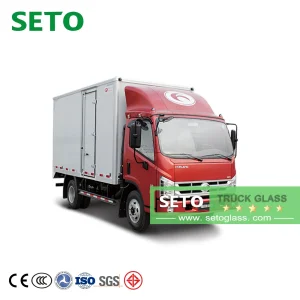
Today's top manufacturers deploy co-extrusion technology, magnetic sputtering (sputter coating), and advanced PVB (Polyvinyl Butyral) and SGP (SentryGlas Plus) interlayers to produce glass panels that serve dual structural and protective purposes. Whether installed in bullet-resistant military vehicles, marine vessels navigating high-glare environments, or modern logistics trucks, high-spec UV-blocking glass is essential for solar protection and cabin thermal management.
Achieving optimal UV protection requires careful integration of material science and mechanical engineering. High-performance UV protective glass relies on three primary technical approaches:
By blending specific metal oxides (such as cerium, iron, or titanium oxides) into the raw molten glass mixture, manufacturers create glass that naturally absorbs ultraviolet and near-infrared (NIR) wavelengths. This method delivers permanent UV protection that does not degrade under prolonged sunlight exposure.
Laminated glass structures utilizing high-grade PVB, EVA (Ethylene-Vinyl Acetate), or SGP interlayers offer exceptional UV filtration. Standard commercial-grade PVB sheets naturally absorb up to 99% of solar UV light, making laminated glass an effective defense system even without additional surface coatings.
Using physical vapor deposition (PVD) to apply microscopically thin metallic and ceramic coatings on the glass pane reflects target solar spectrums. These coatings block heat-generating IR wavelengths and harmful UV rays while maintaining high visible light transparency.
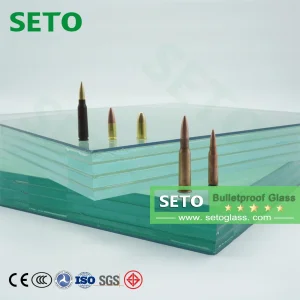
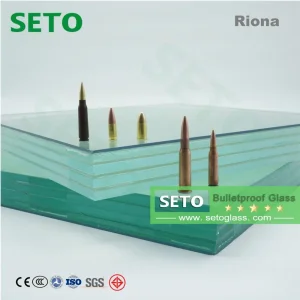
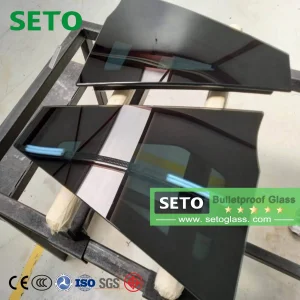
For demanding environments, these technologies are often combined. For example, high-security bulletproof laminated structures for armored personnel carriers incorporate both PVB interlayers and protective exterior glass coatings to ensure occupant comfort, sensor longevity, and structural defense.
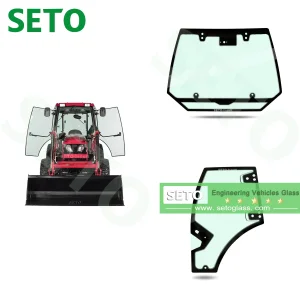
Anhui Aero Glass Co. Ltd is a professional automotive and industrial glass manufacturer. The company specializes in the research, development, production, and sales of a wide variety of specialized glass solutions. The company's product line includes high-durability laminated glass, tempered safety glass, integrated frame-with-glass modules, heavy bus glass, tungsten heated defrosting glass, electric vehicle glazing, specialized truck wind shields, and heavy engineering vehicle glass assemblies.
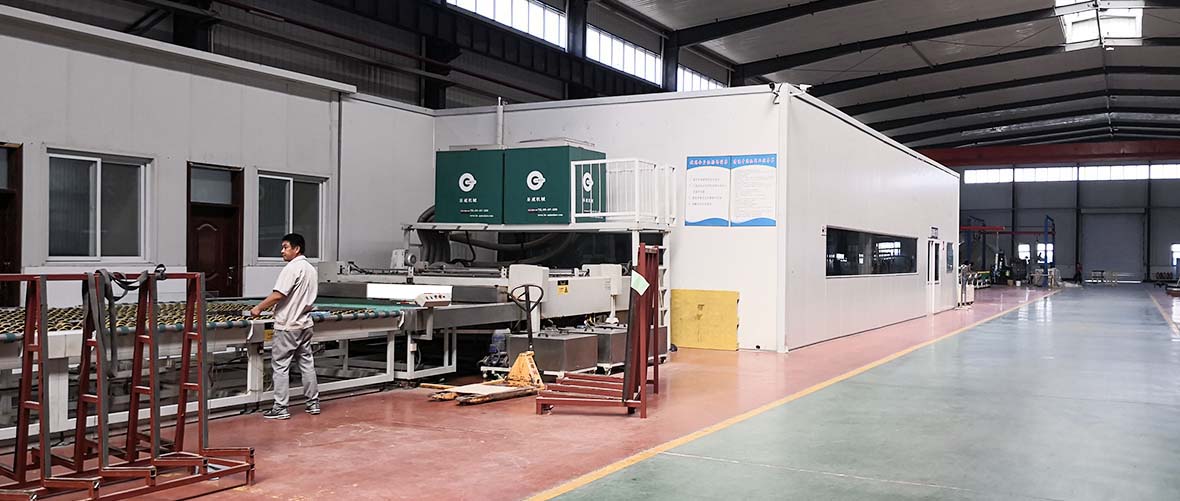
Established as a premier manufacturing entity in Eastern China, our advanced facility spans over 30,000 square meters. We employ more than 100 highly skilled technicians, including a core team of 12 senior and intermediate development engineers. This technical force drives our continuous innovation, ensuring our production processes align with international standards.
Our quality management systems and products are certified by top international regulatory bodies, including China CCC, the European E-Mark, and the U.S. DOT. In 2015, Anhui Aero Glass achieved the ISO/TS-16949 and ISO-9001 certifications, representing the gold standards in international automotive supply chain manufacturing.
Environmental challenges differ by region and industry. Selecting the right UV protective glass depends on the specific operational conditions:
China's industrial ecosystem offers significant advantages for manufacturing high-performance UV protective glass. Anhui Aero Glass leverages these local supply chain efficiencies to deliver premium products to global markets:
Proximity to high-grade silica sand mines, advanced float glass refineries, and leading chemical manufacturers of PVB/SGP interlayers ensures consistent material availability and minimizes production lead times.
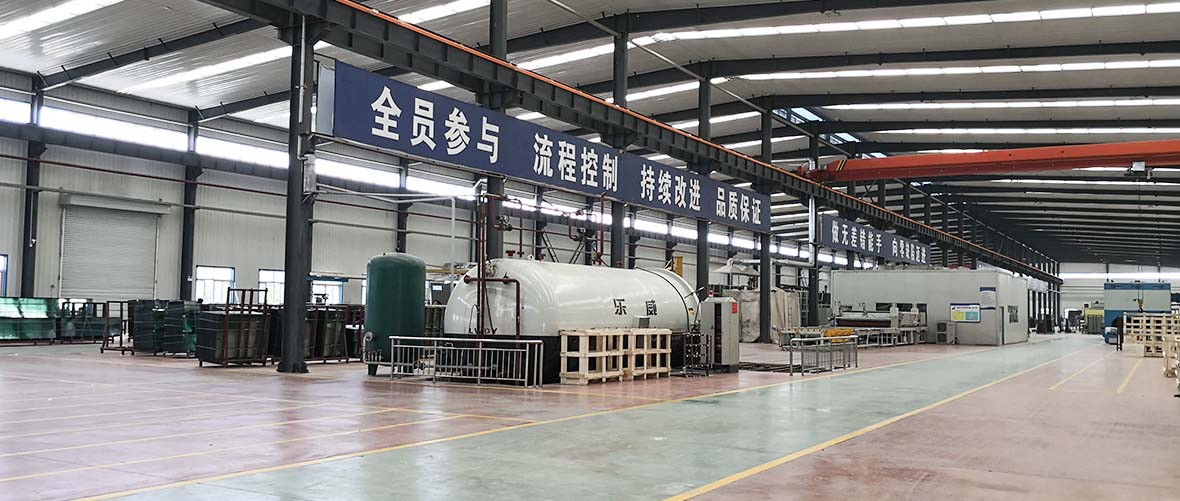
Equipped with modern convection bending furnaces, automated laminating cleanrooms, and high-pressure autoclaves, our production processes achieve high geometric consistency and eliminate internal air bubble defects.
With direct connections to major shipping ports like Shanghai and Ningbo, our logistics network handles large-scale international shipments efficiently, ensuring reliable and secure transport to overseas markets.
This integrated manufacturing infrastructure enables us to maintain strict quality control while keeping pricing competitive, helping international buyers optimize their procurement costs.
For international procurement, compliance with local safety and environmental standards is essential. Our UV protective glass solutions meet the rigorous requirements of global markets:
As industries seek higher energy efficiency, the next generation of UV protective glass will feature smart, dynamic technologies. Key development paths include:
By applying minor electrical currents, glass tint levels can adjust dynamically. This provides active solar control and blocks UV and heat wavelengths in response to changing outdoor conditions.
Incorporating advanced nanoparticles, like Antimony Tin Oxide (ATO) and Indium Tin Oxide (ITO), directly into glass laminates allows for high visible light transmission while filtering out infrared and UV radiation.
Developing transparent solar-harvesting glass surfaces that capture UV and infrared light to generate electricity, turning windows into active power sources for vehicles and buildings.
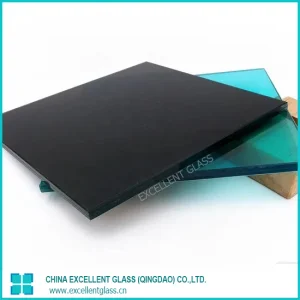
At Anhui Aero Glass, we work closely with developers, distributors, and manufacturers worldwide to deliver high-quality glass solutions tailored to their requirements. Our key commitments include:
Whether you require standard automotive replacements or custom laminated glass for specialized projects, we are ready to support your business. Contact us today to discuss your specifications.
 Aero Glass