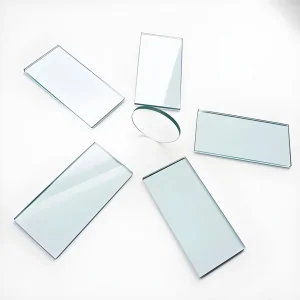
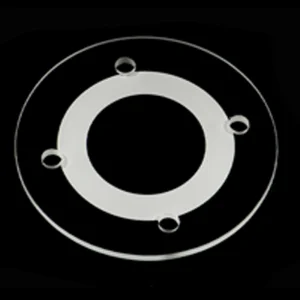
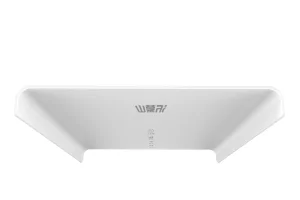
Engineered to maximize clarity, resist heavy scratches, and eliminate reflection under direct sunlight.
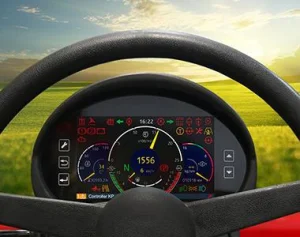
Busan stands as the maritime capital of South Korea and a critical gateway to global logistics, shipbuilding, and automotive electronics. The extreme environmental stresses typical of Busan's coastal zones—including intensive ultraviolet (UV) exposure, marine salt-fog erosion, and high outdoor ambient glare—demand specialized optical display interfaces. Standard display glass falls short when readability dictates the safety of maritime crews, terminal operators, and factory personnel.
Whether integrated into vessel bridge control desks, high-speed rail cabins, vehicle console displays, or heavy manufacturing machinery, Anti-Glare (AG) glass solves the critical physical limitation of standard glass by diffusing incident light. Instead of acting as a mirror under direct sunlight, chemically etched or physical AG glass preserves visual contrast, allowing operators to monitor system-critical values without eye strain or blind spots.
Busan's industrial ecosystem spans from Renault Korea's advanced automotive assembly lines to global marine engineering giants. Procurement officers must match display components to precise environmental requirements. Chemical etching is the gold standard for high-durability displays because it modifies the glass surface microstructure at a molecular level, preventing the peeling and abrasion issues associated with spray coatings.
There are two primary methods to achieve an anti-glare finish: chemical etching and spray coating. Chemical etching uses a controlled hydrofluoric acid bath to erode the glass structure uniformly. This leaves microscopic peaks and valleys that scatter light without causing significant display blur.
| Feature Parameter | Chemically Etched AG Glass (Aero Standard) | Sprayed/Coated AG Glass (Market Alternative) |
|---|---|---|
| Mechanical Durability | Equivalent to raw glass hardness (6H - 7H Mohs). Cannot peel. | Susceptible to scratch, peel, and localized degradation. |
| Gloss Values (Gloss Units) | Highly customizable (15 to 110 GU ± 10). | Difficult to calibrate uniformly across large batches. |
| Optical Clarity & Resolution | Maintains low haze (down to 1.5%) with high image definition. | High haze characteristics, causing graininess or "sparkle". |
| Chemical & Salt Spray Resistance | Resistant to acids, alkalis, and coastal saltwater environments. | Polymer layers degrade under saline mist and high UV. |
From smart-home interface overlays to high-transmittance outdoor lighting systems.
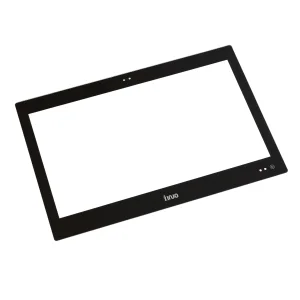
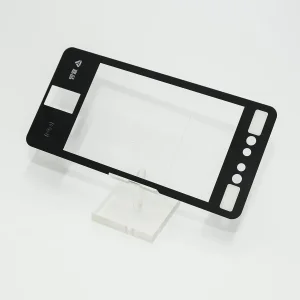
As industrial supply lines face mounting global bottlenecks, Busan-based original equipment manufacturers (OEMs) and contract manufacturers require absolute consistency. Working directly with a neighboring Chinese glass processor like Anhui Aero Glass Co. Ltd offers a robust geographical advantage. Shipping routes from Chinese ports to Busan's container terminals operate daily, minimizing lead times compared to North American or European alternatives.
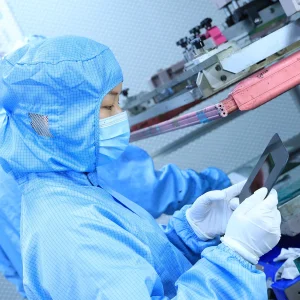
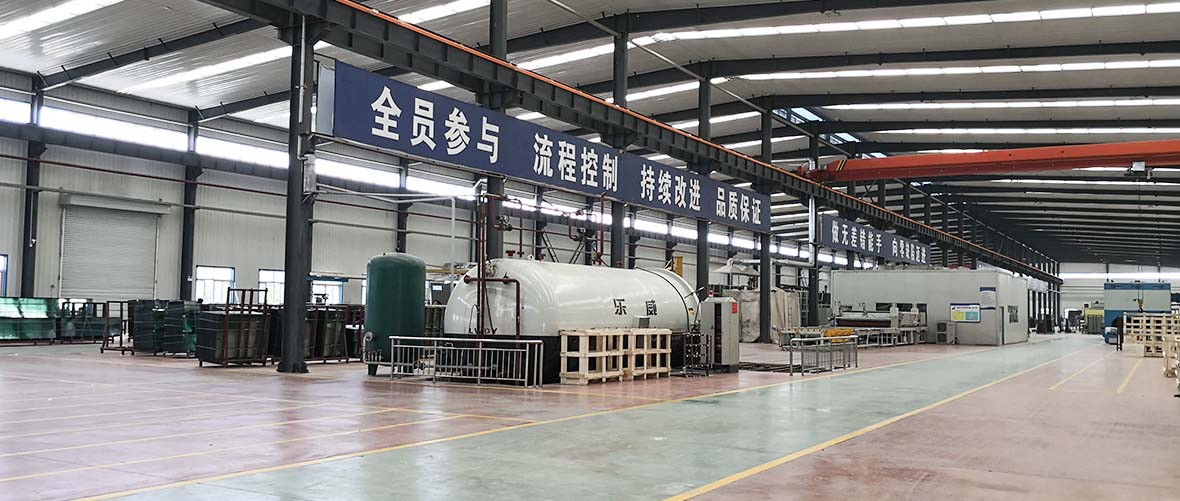
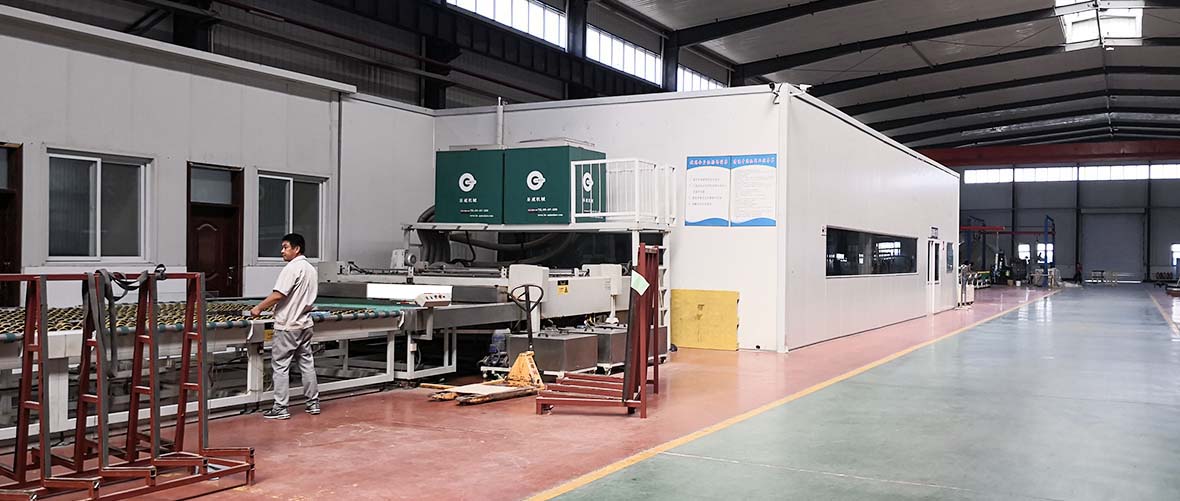
Our facility houses 30,000 square meters of production space, enabling the scale required for high-volume automotive runs and specialized, low-volume marine custom builds. Because we control the process from raw float glass selection to chemical treatment, silk-screen printing, and tempering, we deliver customized components without the markups of trading brokers.
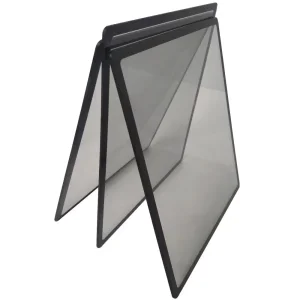
Anhui Aero Glass Co. Ltd is a professional automotive and industrial glass manufacturer, specializing in the research, development, production, and sales of a wide variety of automotive and specialized display glass products. Our offerings include laminated glass, tempered glass, frame with glass, bus glass, tungsten heated glass, electric vehicle glass, truck glass, agricultural vehicle glass, engineering vehicle glass, and much more.
The company has grown rapidly and now covers an area of 30,000 square meters, employing over 100 skilled personnel, including 12 senior and intermediate technicians. With a strong technical force and innovative capabilities, we continually strive to lead in the automotive and industrial glass industry.
Our products are certified by internationally recognized bodies, including China CCC, the European E-Mark, and the U.S. DOT. In 2015, Aero achieved the prestigious ISO/TS-16949 and ISO-9001 certifications—both representing the highest quality management standards in the auto parts industry.
Aero Glass has established itself as a trusted name in the global market. Our products are exported to over 20 countries and regions, including Europe, North America, Southeast Asia, and Africa. Our auto glass solutions have garnered high recognition and widespread praise from both domestic and international customers for their durability, safety, and precision.
Sqm Factory Area
Skilled Specialists
Senior Technicians
Countries Exported
Navigating the evolution of HMI displays in automotive and marine cockpits.
The display panel market is shifting rapidly from flat, static cover glass to multi-functional, curved, and touch-interactive dynamic displays. As the automotive industry embraces "smart cockpits" and marine vessels upgrade to integrated bridge systems (IBS), the expectations for cover glass go far beyond reflection reduction.
Modern displays combine three distinct surface treatments on a single substrate:
Integrating large, curved displays into automotive dashboards requires advanced bending techniques. Anhui Aero Glass is researching cold-forming technologies that allow thin glass panels to be bent at room temperature on precision metal fixtures, minimizing stress fractures and maintaining optical uniformity.
To reduce vehicle and vessel weight, industrial designs demand glass thickness down to 1.1mm or 0.7mm without sacrificing impact strength. Through chemically modifying the glass surface layer by exchanging sodium ions with larger potassium ions, we achieve extreme surface compression, yielding ultra-thin glass with high drop and impact resistance.
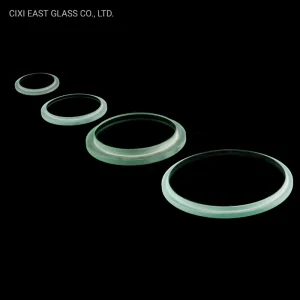
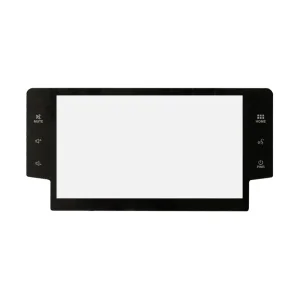
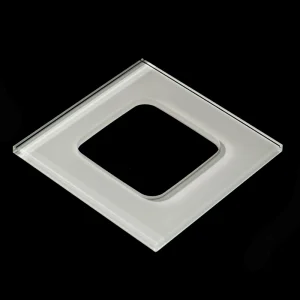
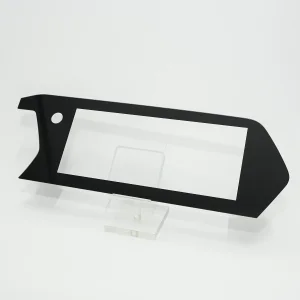
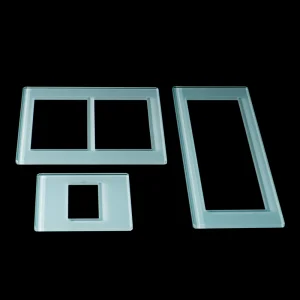
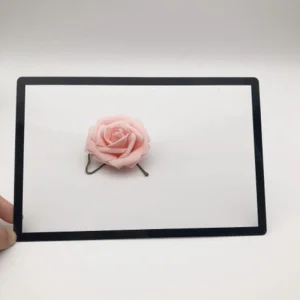
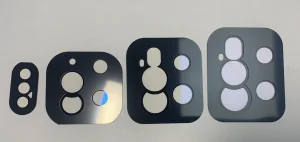
Precision fabricated panels featuring options for screen printing, custom drilling, and high-transmittance tempering.
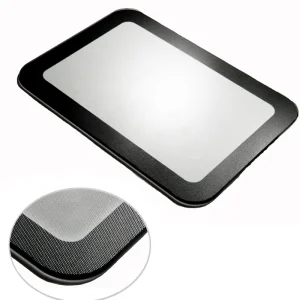
Technical clarifications on anti-glare instrument glass customization, shipping to Busan, and application standards.
Etched AG glass undergoes a chemical acid bath that directly molds the glass surface. This structure is permanent, matching the glass's lifespan and maintaining its Mohs hardness. Coated AG films rely on polymer adhesives that easily degrade under UV radiation, ocean salinity, and repeated mechanical touch.
Our manufacturing processes comply with ISO/TS-16949 (automotive quality management) and ISO-9001. Additionally, our industrial and safety glass products hold China CCC, European E-Mark, and United States DOT certifications, making them compliant with global vessel registry regulations and automotive safety codes.
Production lead times vary based on custom drilling and shape profiles (typically 2 to 3 weeks). Shipping transit time from Shanghai or Ningbo ports to the Busan port is highly efficient, usually taking only 2 to 4 days, ensuring minimized down-time for assembly operations.
We offer full CNC processing: custom water-jet cutting, chamfering, hole drilling (straight and countersunk), multi-color screen printing, physical or chemical tempering, and multi-layer optical film lamination.
 Aero Glass