Engineered for immediate moisture control, optical clarity, and extreme mechanical durability under tropical coastal and continental conditions.
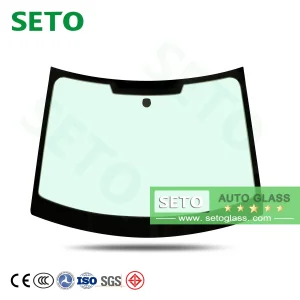
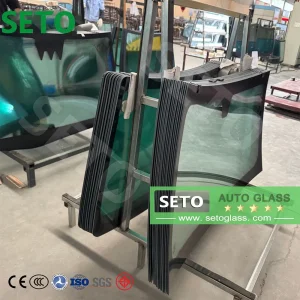
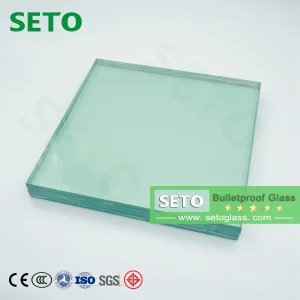
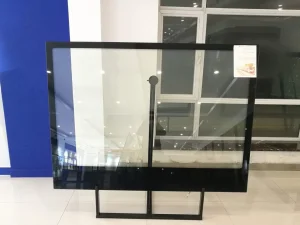
Togo, positioned as a vital maritime gate through the Autonomous Port of Lomé, serves as the primary trade transit corridor for landlocked Sahelian nations including Burkina Faso, Mali, and Niger. The heavy-duty transport network operating along the National Route N1 requires automotive and industrial components that can withstand extreme microclimates. Vehicles regularly transition from the highly humid, saline coastal air of Lomé to the arid, dust-laden Harmattan winds of the north.
This climate duality creates significant operating challenges. Rapid condensation and fogging occur on windshield surfaces during tropical rainstorms and humid mornings, severely compromising visibility. Furthermore, abrasive dust particles from northern regions rapidly scratch standard glass when mechanical wipers are used without proper lubrication. Electrically heated windshields solve these issues by maintaining a constant surface temperature, accelerating moisture evaporation without mechanical wear, and preventing micro-abrasions from sand and dust.
How smart glazing is changing passenger transit, heavy freight logistics, and specialized industrial operations globally.
Globally, the automotive and industrial machinery sectors are transitioning toward smart safety glazing. The adoption of advanced driver-assistance systems (ADAS) requires clear camera and sensor fields of view, which are often integrated directly behind the windshield. Thermal management via micro-tungsten wire arrays or electro-conductive silver film has become the standard method to maintain sensor performance in adverse conditions.
In commercial transport, reducing idle time is a key efficiency metric. Fleet operators are replacing standard laminated glass with electrically heated solutions to cut down vehicle preparation times during heavy dew, frost, or intense condensation cycles. By using conductive coatings, modern heated windshields achieve uniform heating across the glass surface without visible wires, maintaining high light transmittance (typically >75%) and meeting international safety regulations.
| Technology Type | Visible Light Transmittance | Heating Efficiency (Defogging Speed) | Best Application Scenarios | Cost Profile |
|---|---|---|---|---|
| Tungsten Wire Core | 70% - 75% | Fast (focused heating) | Commercial Trucks, Buses, Agricultural Vehicles | Highly Cost-Effective |
| Electro-Conductive Film (ITO/Silver) | 75% - 82% | Ultra-Uniform (overall heating) | Luxury PV, ADAS-Equipped Fleets, High-Speed Rail | Premium Investment |
| Bespoke Curved Bending Glass | Custom Configured | Targeted zone heating | Specialist Coaches, Engineering Machinery cabs | Project Specific |
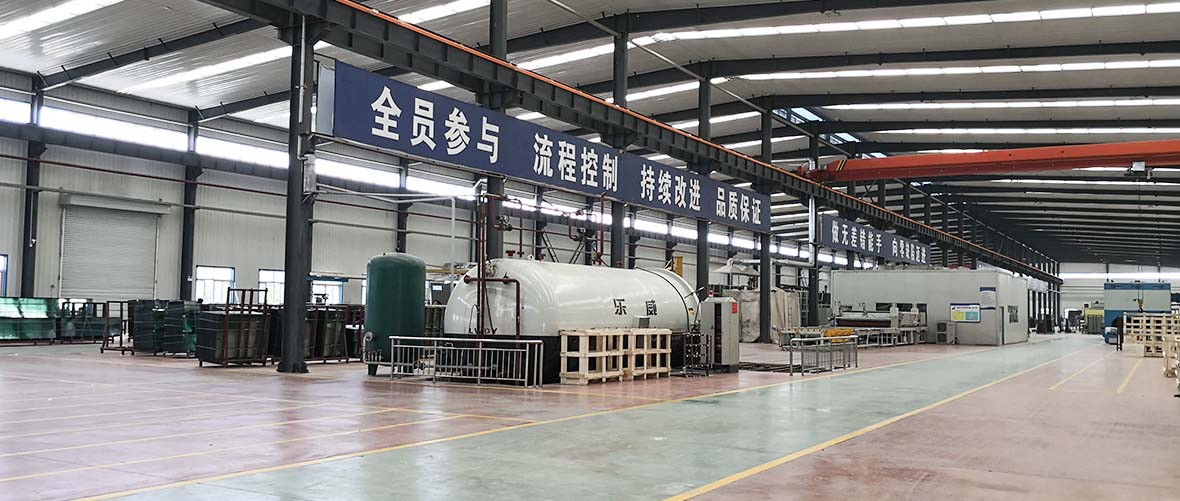
Anhui Aero Glass Co. Ltd is a professional automotive glass manufacturer, specializing in the research, development, production, and sales of a wide variety of automotive glass products. Our offerings include laminated glass, tempered glass, frame with glass, bus glass, tungsten heated glass, electric vehicle glass, truck glass, agricultural vehicle glass, engineering vehicle glass, and much more.
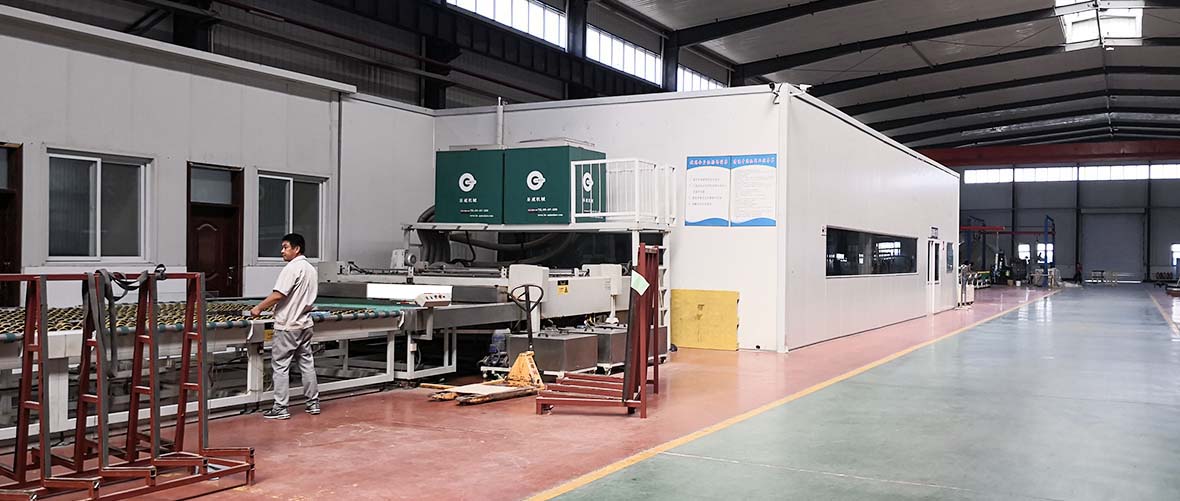
The company has grown rapidly and now covers an area of 30,000 square meters, employing over 100 skilled personnel, including 12 senior and intermediate technicians. With a strong technical force and innovative capabilities, we continually strive to lead in the automotive glass industry.
Our products are certified by internationally recognized bodies, including China CCC, the European E-Mark, and the U.S. DOT. In 2015, Aero achieved the prestigious ISO/TS-16949 and ISO-9001 certifications—both representing the highest quality management standards in the auto parts industry.
Aero Glass has established itself as a trusted name in the global market. Our products are exported to over 20 countries and regions, including Europe, North America, Southeast Asia, and Africa. Our auto glass solutions have garnered high recognition and widespread praise from both domestic and international customers for their durability, safety, and precision.
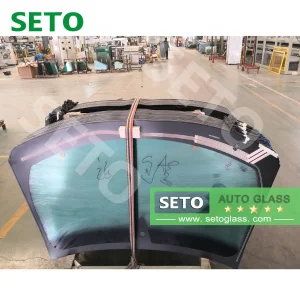
By utilizing advanced production equipment, high-yield float glass, and premium PVB (Polyvinyl Butyral) interlayer sheets, Anhui Aero Glass delivers performance, structural integrity, and competitive pricing for the Togolese market.
Tailoring heated safety glass solutions to meet local environmental and operational requirements in West Africa.
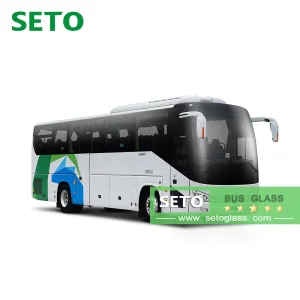
Operating routes between Lomé, Kara, and northern border terminals requires continuous optical clarity. Heated windscreens keep windows clear during temperature shifts, protecting passengers and driver visibility.
Heavy-duty trucks transporting goods from the Lomé Port to landlocked neighboring countries face high ambient humidity and dust storms. Heated glass limits condensation buildup and minimizes wiper wear.
In Togo's phosphate mines and road construction projects, heavy machinery operates in high-dust and high-vibration conditions. Laminated safety glass options provide physical protection and reliable heating performance.
Explore our full line of laminated glass, specialized vehicle windows, and custom-bent designs for wholesale and OEM supply.
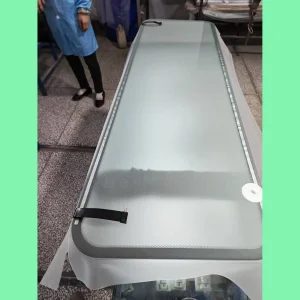
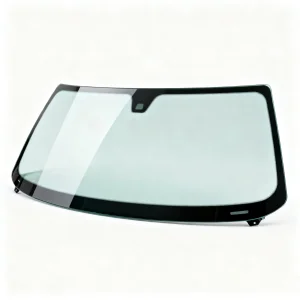
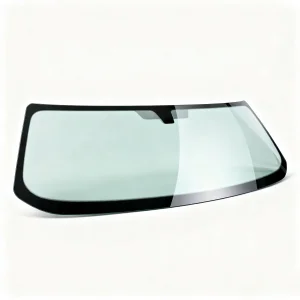
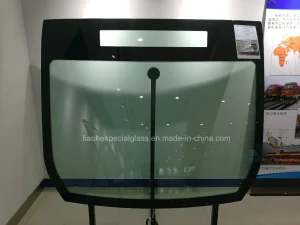
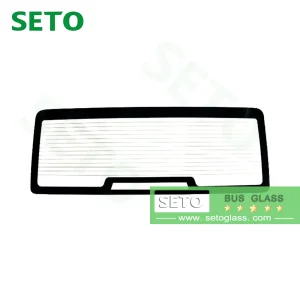
Selecting the right technology for heated glass depends on the operational environment. Micro-Tungsten Wire heating integrates ultra-thin conductive wires (0.018 mm to 0.033 mm) within the PVB interlayer. This method offers high heating density and is well-suited for heavy-duty commercial trucks and transit buses, providing fast defrosting and defogging under tropical morning dew and coastal conditions.
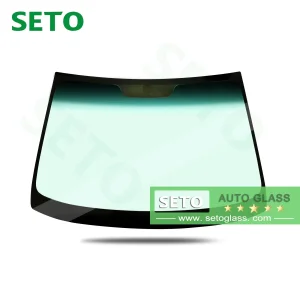
Conversely, Electro-Conductive Coating technology utilizes a micro-thin layer of silver or indium tin oxide (ITO) sputtered onto the inner glass surface. This coating provides uniform heat across the entire surface, eliminating visible wires. It is suitable for passenger vehicles and high-tech transit systems with integrated driver-assist systems (ADAS) or head-up displays (HUD), as it prevents visual distortion.
At Aero Glass, we are always seeking new opportunities for collaboration. Whether you are a manufacturer, distributor, or end-user in Togo, we are eager to form long-lasting partnerships and provide solutions tailored to your specific needs. We believe in mutual growth and success, and we sincerely look forward to cooperating with you.
If you are interested in exploring the potential of working with Aero Glass, please contact us today. Let’s build a future of success together.
Technical clarifications regarding performance, power requirements, installation, and custom shipping options for Togo.
Our heated windshields are engineered to integrate with standard vehicle electrical systems. We offer configurations for 12V DC (passenger cars and light commercial vehicles), 24V DC (heavy-duty transport trucks, agricultural vehicles, and buses), and customized higher voltages for rail transit systems.
Tungsten wire models do not affect telecommunication signals. For electro-conductive film options, we can design specialized "communication windows" (uncoated zones) to allow GPS, RF signals, and road toll transponders to transmit without interference.
Aero Glass products meet international standards, including China's CCC, European E-Mark (ECE R43), and the United States DOT (Department of Transportation) certifications. Our manufacturing processes are verified under ISO/TS-16949 and ISO-9001 quality management systems.
Our windshields use high-density PVB interlayer sheets and float glass. In the event of minor surface chips, the internal heating element (tungsten wire or sputtered silver film) remains sealed and functional. The laminated construction prevents cracks from spreading across the glass.
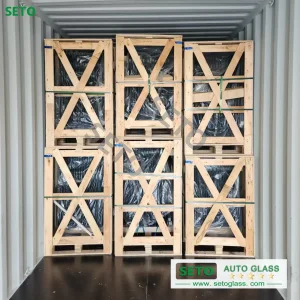
Production lead times range from 20 to 30 days depending on the customization required. Standard ocean freight transit from our manufacturing site to the Port of Lomé is approximately 30 to 45 days. We use export-grade, moisture-resistant wooden crates to protect the glass during transit.
Explore our full line of safety glass designed for transport fleets, passenger cars, and rail transit networks.
 Aero Glass