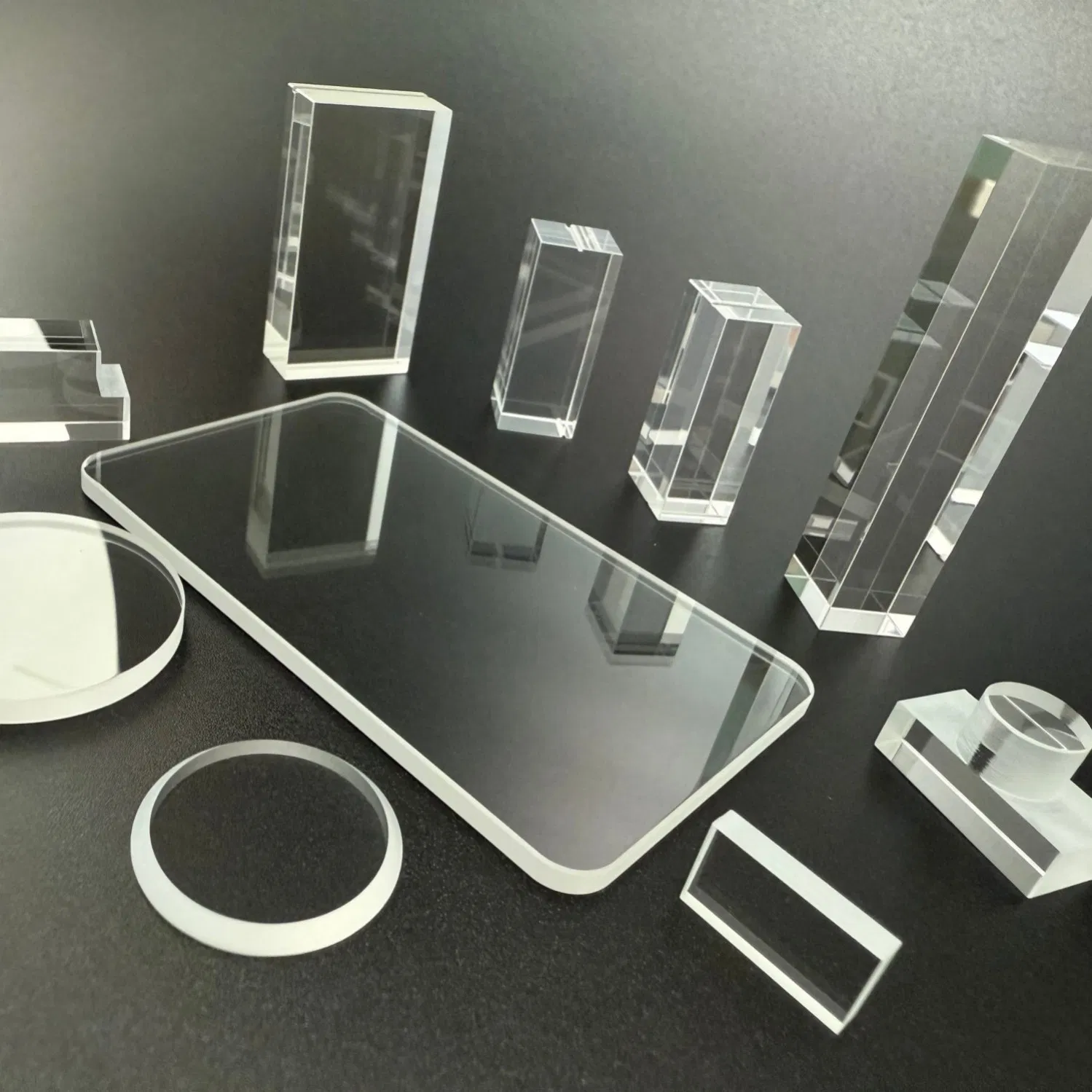
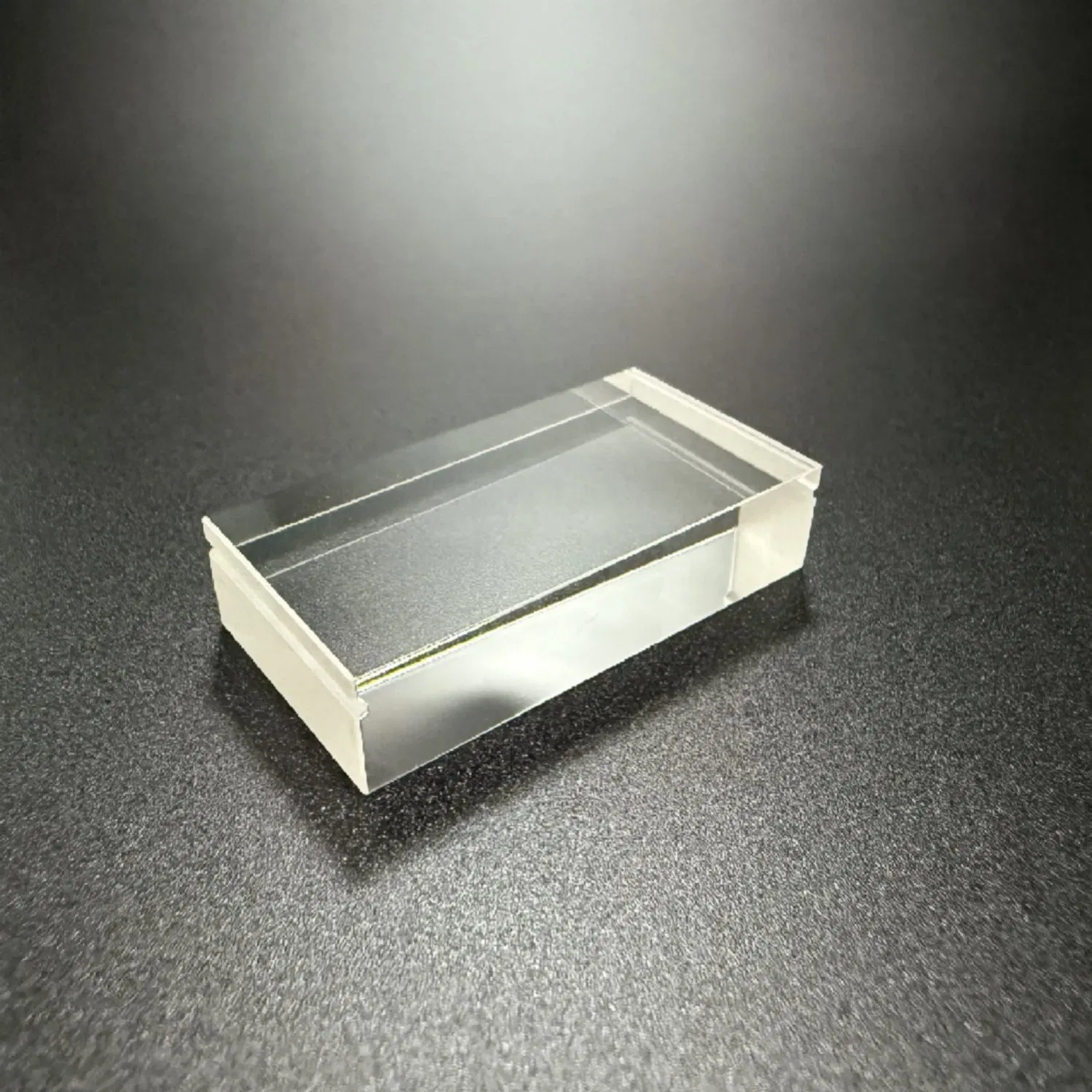
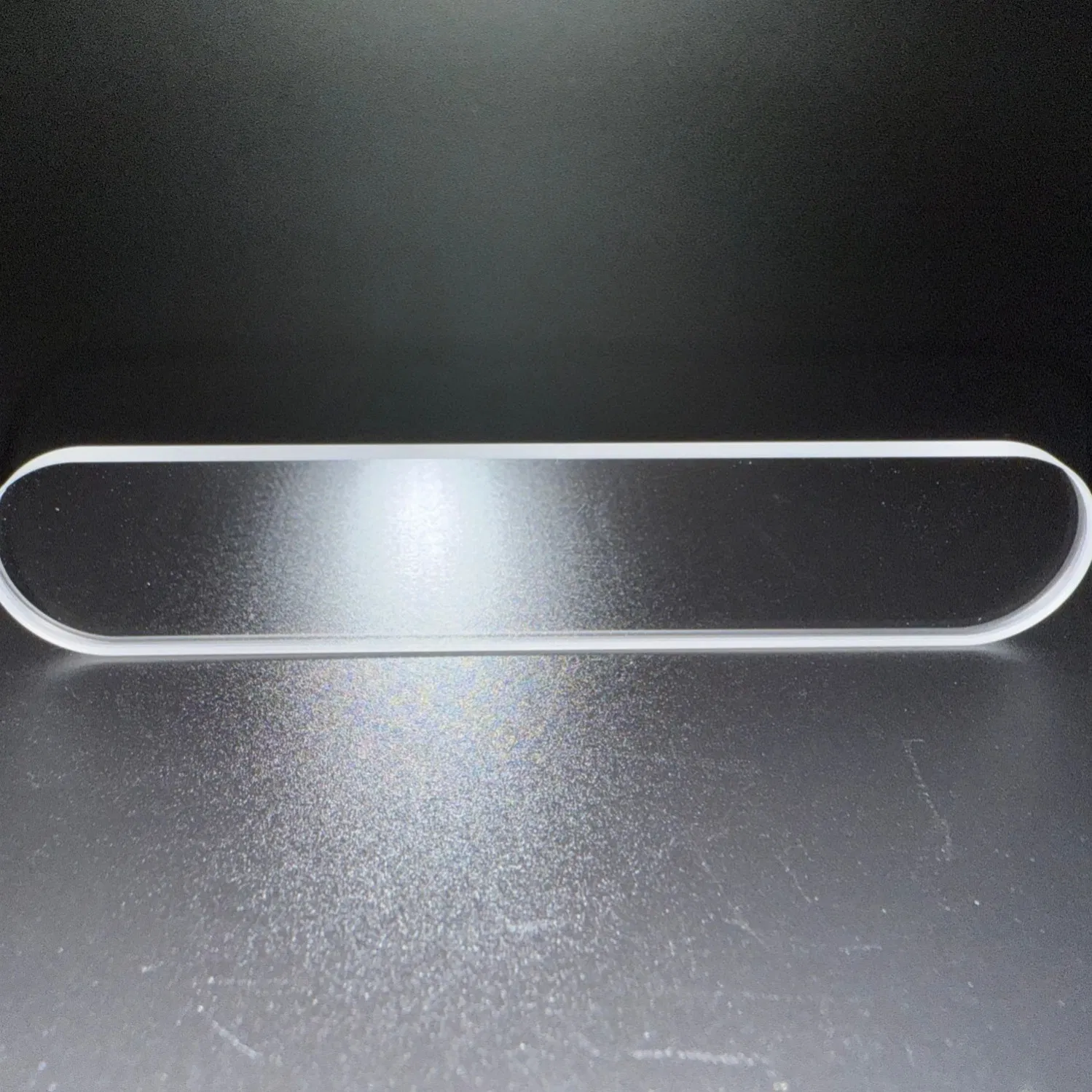
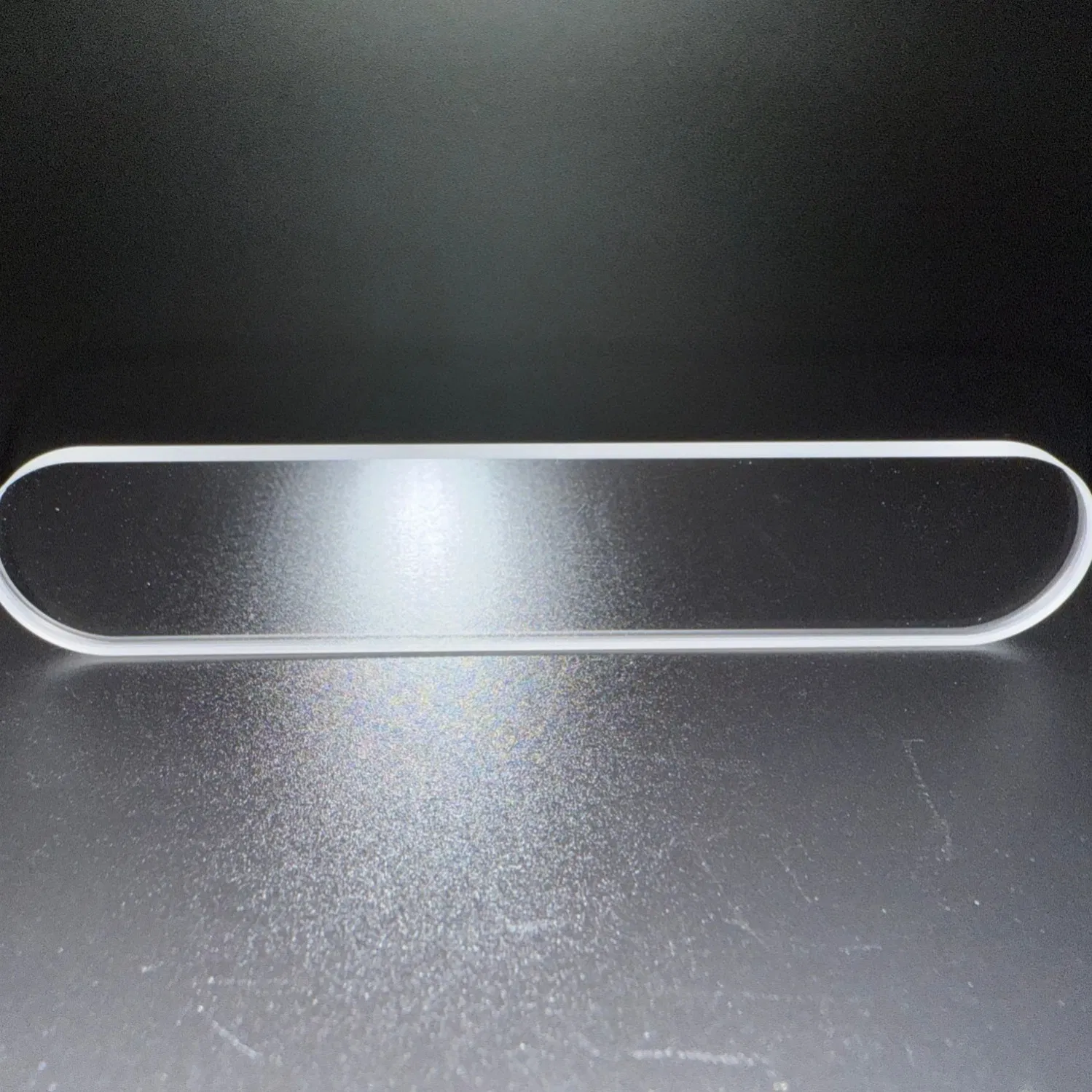
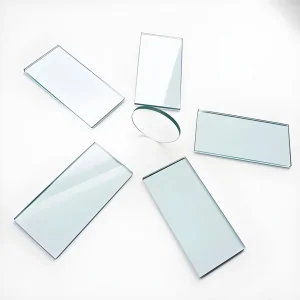
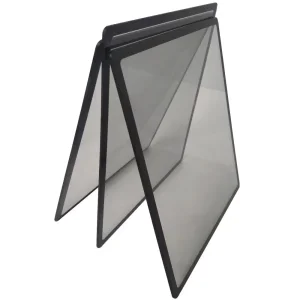
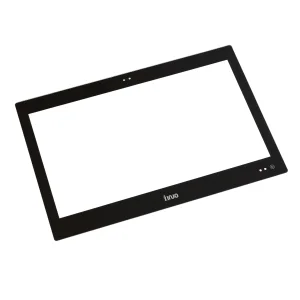
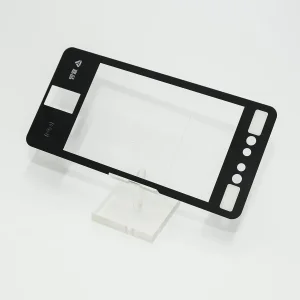
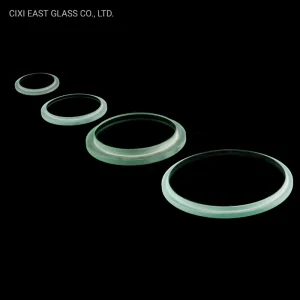
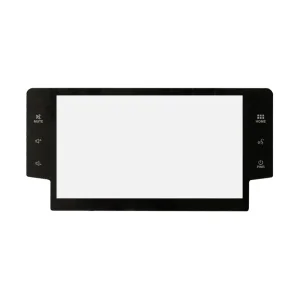
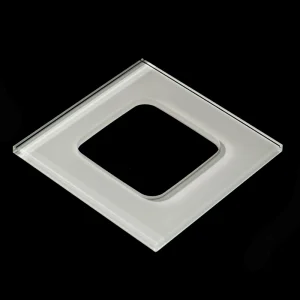
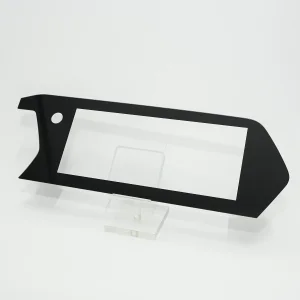
Diamondshield Anti-Glare Sapphire Glass for Enhanced Sunlight Readability

Still deciding? Get samples of $ !
Order Sample

Product Description

Basic Information

Model NO.
1-1000mm
Type
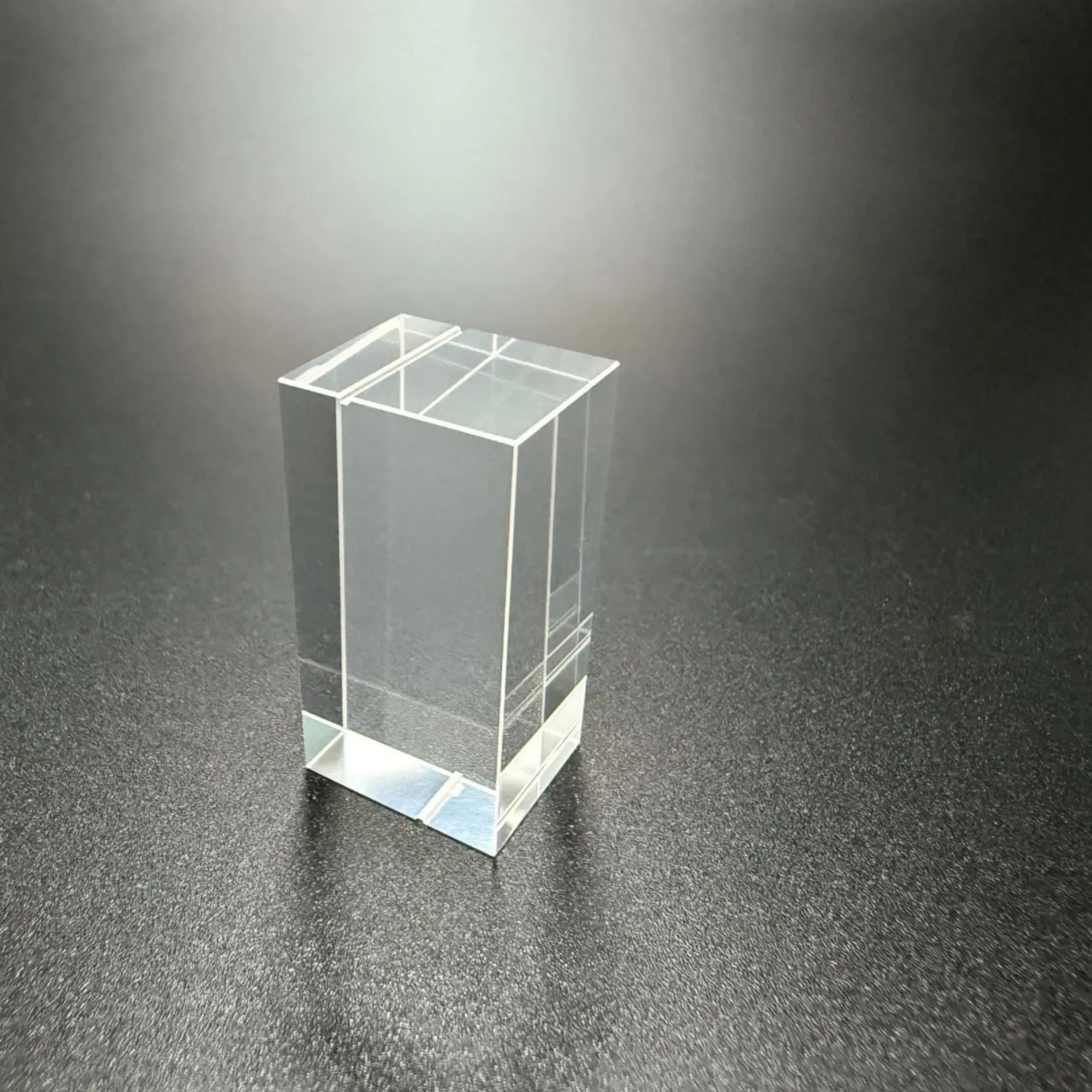
Rectangular Prism
Usage
Beam Dispersion, Beam Split, Medical, Optical
Shape
Cube Corner Prism
Material
Glass
Application
Medical Instrument
Customized
Customized
Transmittance
>95%
Lenses Color
Clear
Certification
RoHS, ISO9001
Coating
UV
Hardness
Mohs Hardness of 9
Material Type
Synthetic Sapphire Glass
Density
3.98 G/Cm³
Refractive Index
1.76-1.77 (@589nm)
Polishing Grade
Optical (Ra<5nm)/Commercial (Ra<20nm)
Production Capacity
1,000,000/Year

Product Description

Category Parameter Value / Description Notes
Basic Product Name Sapphire Glass Optical Window -
Physical Mohs Hardness 9 Second only to diamond
Thermal Melting Point 2040 °C High heat resistance
Optical Transmission Range 0.15 μm - 5.5 μm Deep UV to Mid-IR
Optical Refractive Index 1.768 (no) / 1.760 (ne) @587.6 nm
Coating AR Coating Anti-Reflection Increases transmission

Certifications

📦

Packing & Delivery

Package Size
20.00cm * 20.00cm * 20.00cm
Gross Weight
1.000kg
Transport Package
Factory-Sealed
?

Frequently Asked Questions

Q1: What are the primary advantages of Sapphire Glass over regular glass?
Sapphire glass offers extreme surface hardness (Mohs 9), high thermal conductivity, and a broad transmission range from UV to Mid-Infrared, making it much more durable and versatile than standard optical glass.
Q2: Can the sapphire windows be customized in terms of shape?
Yes, we support customization for various forms including flat, spherical, and aspheric shapes based on specific industrial or medical requirements.
Q3: What types of coatings can be applied to these optical windows?
We offer several coating options including Anti-Reflection (AR), High Reflection (HR), Oleophobic/Hydrophobic, and Conductive (ITO) coatings.
Q4: Is sapphire glass resistant to chemicals?
Sapphire is chemically inert and highly resistant to most acids and bases. However, it is not resistant to Hydrofluoric Acid (HF) and hot phosphoric acid.
Q5: What is the typical transmittance of these sapphire windows?
The base transmittance is generally over 85% for a 1mm thickness, and it can be increased to over 95% with appropriate AR coatings.
Q6: What is the maximum operating temperature for sapphire glass?
It can operate up to 1900°C in vacuum or inert gas environments and approximately 1000°C in open air.

Related Products