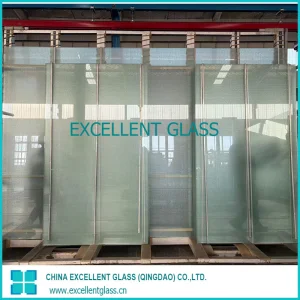
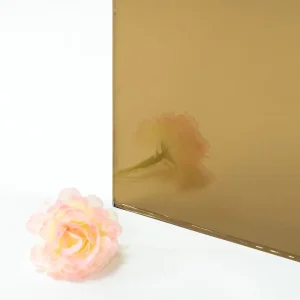
Today's architectural and industrial paradigms demand more than simple aesthetics. Decorative glass panels have transitioned from non-structural ornamental features to highly functional components that influence building efficiency, occupant well-being, and structure longevity. By integrating advanced technology like vacuum sputter coating, smart PDLC interlayers, and multi-layered PVB acoustic membranes, decorative glass serves as a core technology for sustainable urbanization.
In high-end commercial spaces, corporate headquarters, and luxury residential developments, designers use custom-engineered glass panels to achieve visual depth, optimal light diffusion, and precise thermal control. Our production range meets these criteria by offering bespoke processing that balances aesthetics and durability.
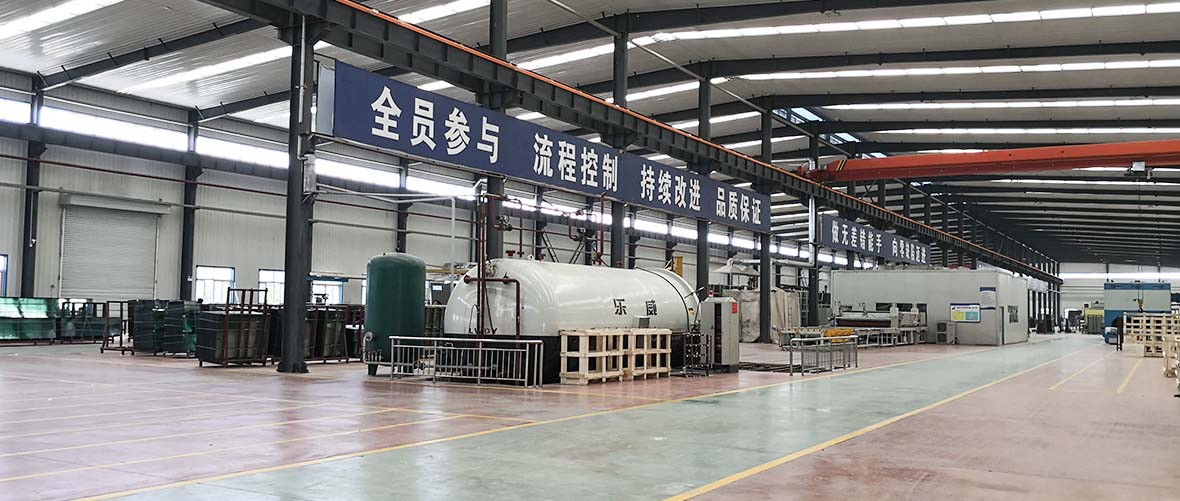
Our engineering division leverages state-of-the-art horizontal and vertical tempering furnaces, automated CNC cutting lines, and cleanrooms for lamination. Certified under U.S. DOT, European E-Mark, and China CCC, our manufacturing lines adhere strictly to high industry standards.
Our OEM/ODM capabilities support high levels of design customization. From custom dimensions, irregular shapes, and unique beveling to multi-layer acoustic laminations, we translate complex architectural drawings into ready-to-install glass solutions.
Operating a 30,000-square-meter facility with over 100 skilled glass professionals, we handle large volume orders with short lead times. Integrated supply chains and close proximity to major deep-water ports ensure cost-effective logistics worldwide.
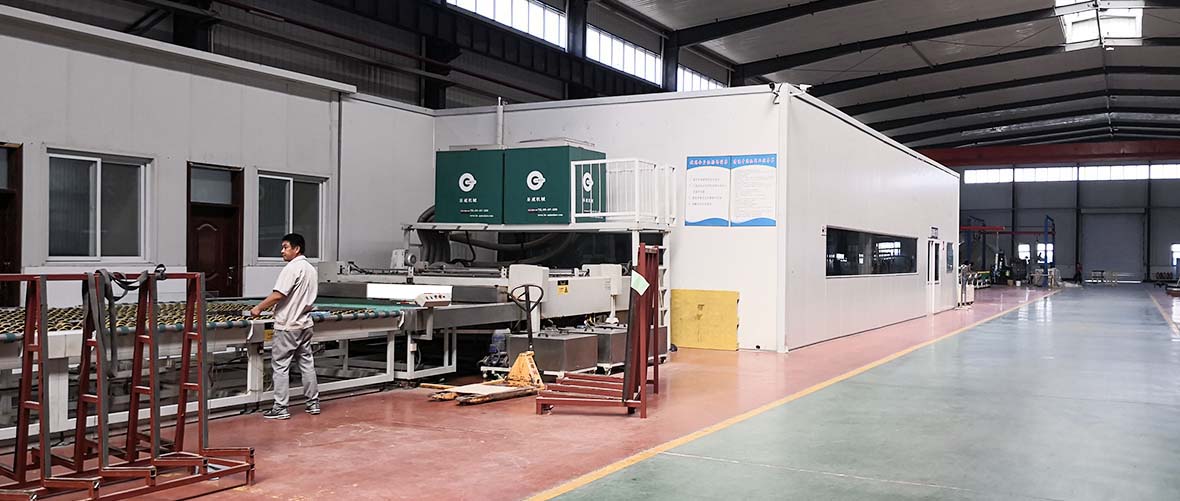
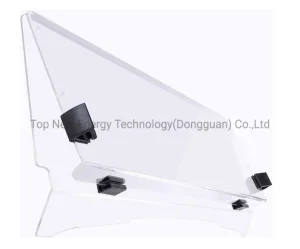
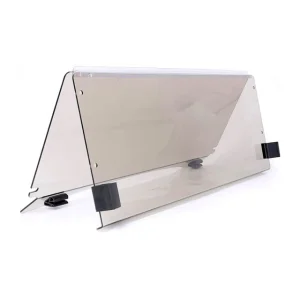
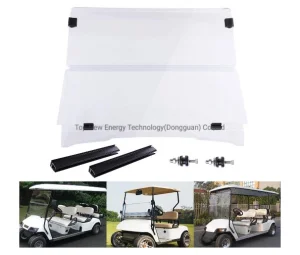
Different industries require specific properties from their glass substrates. A glass panel designed for a high-traffic retail storefront needs different properties than a specialized golf cart windshield, a marine window, or an armored vehicle panel. At Anhui Aero Glass Co. Ltd, we evaluate target environmental stresses like wind load, high temperatures, moisture intrusion, and physical impacts to recommend the appropriate glass composition.
Our product certifications, including ISO/TS-16949 and ISO-9001, highlight our commitment to quality. The quality assurance workflow begins with raw materials testing and continues through cutting, grinding, tempering, and final inspection to confirm optimal optical and structural performance.
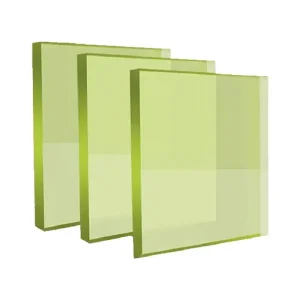
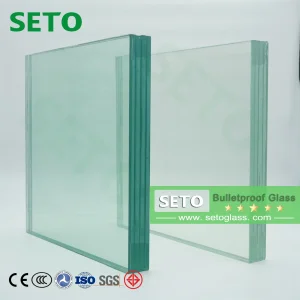
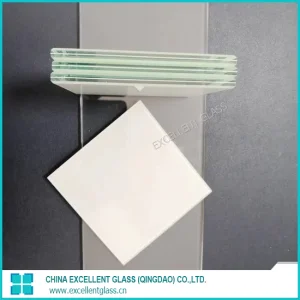
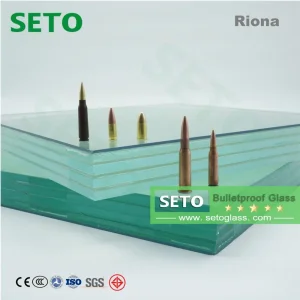
Produced by bonding two or more layers of glass with high-performance PVB (Polyvinyl Butyral) or SGP (SentryGlas Plus) interlayers under heat and pressure. In case of impact, the glass fragments adhere to the plastic interlayer, maintaining structural integrity and reducing the risk of injury.
Utilizing vacuum magnetron sputtering technology, we deposit nanometer-thin layers of metal or metal oxides onto the glass surface. This allows visual light transmission while reflecting long-wave infrared radiation, lowering indoor cooling and heating costs.
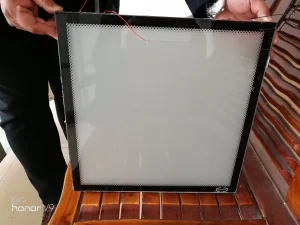
PDLC (Polymer Dispersed Liquid Crystal) film is laminated between two layers of glass. When an electrical current is applied, the liquid crystals align to make the glass transparent. When the power is turned off, the crystals scatter light to create privacy.
Our integration of automotive-grade precision standards into commercial architectural decorative glass production ensures tight tolerances, consistent optical properties, and reliable mechanical strength.
We collaborate closely with procurement managers, facade engineers, and automotive parts distributors to streamline production and logistics. Our system ensures clear communication from design to delivery.
We review your engineering drawings, architectural blueprints, and performance criteria (such as U-value, wind loads, and certifications) to design a suitable solution.
We create prototypes and test them for light transmittance, impact resistance, and structural strength, ensuring performance matches project specifications.
Mass production is monitored under our ISO/TS-16949 quality framework. Each batch is inspected for defects and certified before packaging.
PVB (Polyvinyl Butyral) is the standard interlayer used for acoustic insulation, impact resistance, and decorative color layering. SGP (SentryGlas Plus) is up to five times stronger and up to 100 times stiffer than standard PVB. It is designed for high-load architectural applications like structural balustrades, glass floors, and hurricane-resistant glazing, as it maintains its structural integrity even if the glass panels shatter.
PDLC (Polymer Dispersed Liquid Crystal) glass switches between translucent and transparent states via electrical current. When power is off, the liquid crystal droplets align randomly, scattering light to create an opaque state. Applying an electric field (typically 48V to 65V AC) aligns the crystals, allowing light to pass through for clear vision. Power consumption is low, generally averaging less than 5 Watts per square meter.
Our glass panels comply with key international quality and safety certifications. These include the China Compulsory Certificate (CCC), the United States Department of Transportation (DOT) standard for automotive glass, and the European E-Mark safety requirements. Our manufacturing facilities are managed under the ISO/TS-16949 and ISO-9001 quality frameworks.
Yes, we specialize in high-precision curved glass solutions. Using customizable thermal bending molds and automated vacuum-lamination autoclaves, we manufacture curved, laminated, and tempered glass for automotive, agricultural, and marine applications, such as double-sided reflective ship windows and curved windshields.
We prevent distortion by using premium float glass substrates with low thickness tolerance. Sputter coating is applied in a vacuum chamber, and tempering temperatures are precisely monitored to minimize roller wave and edge lift, ensuring clear optical properties.
 Aero Glass