Next-Generation Structural Safety Glazing, Engineered Performance, and Global Industrial Supply Chain Integration
Architectural design has undergone a structural paradigm shift, moving away from opaque, heavy barriers to transparent, minimalist balustrade configurations. Glass railings, once reserved for high-end bespoke projects, have now become the standard in modern commercial, industrial, and high-density residential developments. This transition is driven by two main factors: aesthetic optimization and performance safety.
Modern glass railings serve not just as safety barriers but as key load-bearing architectural features. The integration of advanced tempering technology and polymer chemical engineering (specifically PVB and SGP interlayers) has transformed architectural glass into a resilient, structural material. Today, designers rely on custom OEM glass railing suppliers to meet complex load criteria, ensure wind shear resistance, and comply with strict safety regulations, all while maintaining clean visual lines.
Architects, facade engineers, and commercial builders demand absolute precision. Glass balustrades must comply with rigorous regional standards to assure safety, wind load resistance, and structural integrity under dynamic conditions.
Global procurement requires certification pathways. OEM glass railings must align with standards such as ANSI Z97.1 (US), EN 12600 (Europe), and AS/NZS 2208 (Australia). These focus on impact resistance and safe breakage behavior.
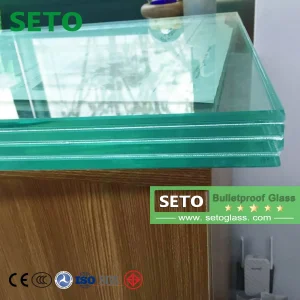
Choosing between PVB (Polyvinyl Butyral) and SGP (SentryGlas Plus) is critical. SGP ionoplast interlayers offer 100 times the stiffness and 5 times the tear strength of standard PVB, making them ideal for frameless structural glass balustrades.
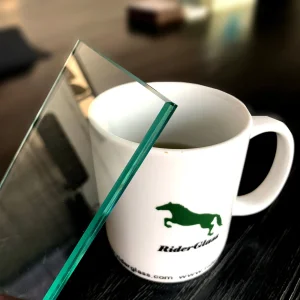
Premium frameless glass railings require high-quality polishing. Double flat-ground edges with mitered corners minimize post-installation cracking, while low-iron float glass prevents the typical green tint, ensuring maximum optical clarity.
| Parameter | Tempered Monolithic Glass | Standard PVB Laminated Glass | SGP Laminated Structural Glass |
|---|---|---|---|
| Mechanical Strength | 4-5x annealed strength | High flexibility; retains glass fragments | Ultra-high rigidity; excellent load retention |
| Post-Breakage Performance | Instant collapse into small particles | Plaster-like collapse (retains shape temporarily) | Remains standing even if both lites shatter |
| Typical Edge Finish | Polished flat / arris | Flat ground, sealed edge, exposed or capped | Open-edge polished (high weather resistance) |
| Edge Delamination Risk | None | Medium (if exposed directly to high humidity) | Low (high moisture resistance, zero yellowing) |
| Compliance Benchmarks | ASTM C1048, EN 12150 | EN 14449, ANSI Z97.1 | SGCC, ASTM C1172, EN 12543 |
Anhui Aero Glass Co. Ltd is a professional manufacturer specializing in the research, development, production, and sales of high-performance glass products. Covering an area of 30,000 square meters, our facilities house advanced automated production lines and employ over 100 skilled personnel, including 12 senior and intermediate technicians. Our strong technical background and continuous innovation allow us to support complex architectural and safety glass projects globally.
Although deeply rooted in automotive glass manufacturing (laminated glass, tempered glass, frame-integrated glass, bus glass, tungsten heated glass, electric vehicle glass, truck glass, agricultural vehicle glass, and engineering vehicle glass), we apply these strict manufacturing tolerances and technologies to our architectural structural safety line, including custom OEM glass railings and high-performance safety laminates.
Our safety products are certified by internationally recognized bodies, including China CCC, the European E-Mark, and the U.S. DOT. In 2015, Aero achieved the prestigious ISO/TS-16949 and ISO-9001 certifications—representing the highest quality management standards in the industry.
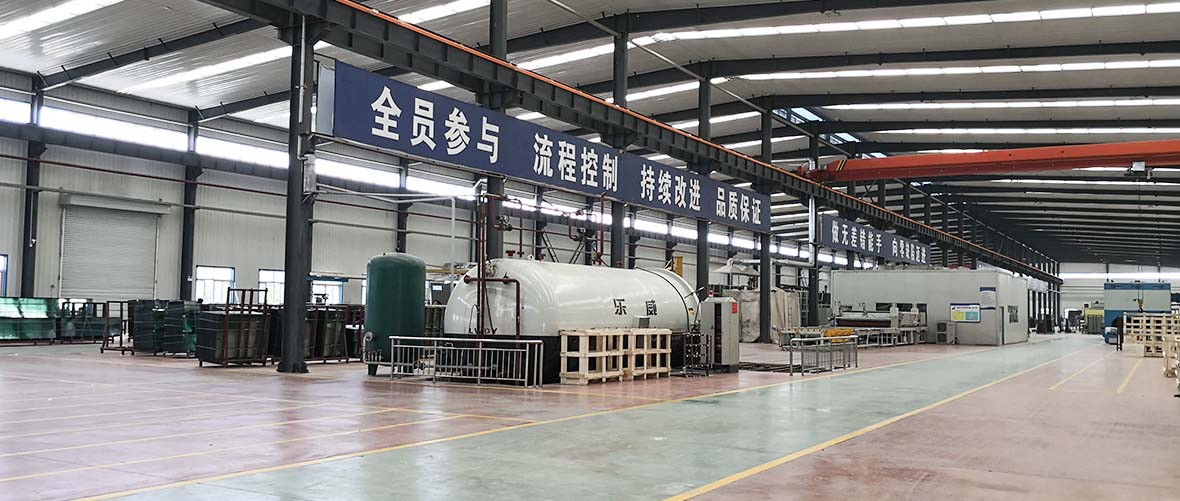
The global structural glazing supply chain demands flexible production, rapid scaling, and absolute dimensional accuracy. Our Factory 4.0 framework meets these requirements through automated manufacturing and strict quality control.
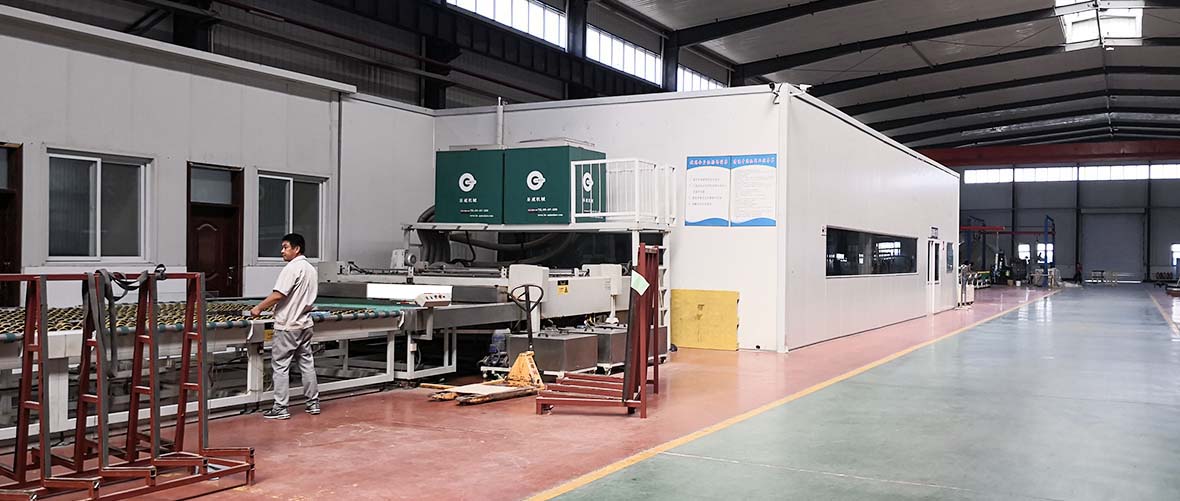
Integrating architectural metalwork fabrication with float glass processing creates a highly efficient production environment. For custom OEM glass railings, this structure offers clear benefits:
Different environments present distinct architectural challenges. Modern glass railings must be engineered to meet the unique safety and structural requirements of each specific application.
Airports, metro stations, and public plazas require high impact resistance. In these spaces, designers specify thick SGP laminated glass railings (e.g., 21.52mm or 25.52mm) with continuous base shoe profiles to handle heavy crowd pressure.
Coastal and oceanfront structures require high corrosion resistance. Combining marine-grade 316 stainless steel or anodized aluminum hardware with SGP laminated glass prevents edge clouding caused by salt spray and high humidity.
Modern office environments prioritize acoustics and light transmission. Custom laminated glass containing acoustic PVB membranes reduces noise between workspaces while maintaining visual openness and natural light.
Aero Glass has established itself as a trusted name in the global market. Our products are exported to over 20 countries and regions, including Europe, North America, Southeast Asia, and Africa. Our glass solutions have earned recognition for their durability, safety, and precision. We support every shipment with four core commitments:
Rigorous testing and inspection at every production stage.
Efficient production and reliable logistics schedules.
Timely after-sales support to address any questions.
Fair pricing models designed to maximize project value.
Answers to common technical, design, and logistics questions from architects, contractors, and project planners.
 Aero Glass