In the contemporary landscape of high-performance materials, Low-Emissivity (Low-E) glass has transitioned from a specialized architectural luxury to a mandatory standard in the global automotive and construction sectors. As a leading CE Certified Low-E Glass Manufacturer, Anhui Aero Glass Co. Ltd stands at the intersection of thermal science and advanced manufacturing. Our mission is to provide "Information Gain" to our partners by explaining not just the 'what', but the 'how' and 'why' of energy-efficient glass technology.
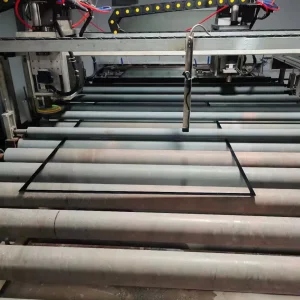
With over 30,000 square meters of production space and ISO/TS-16949 certification, our expertise is backed by rigorous international audits and decades of glass tempering experience.
Meeting the needs of 20+ countries, including the EU and North America, by adhering to DOT, E-Mark, and CCC standards for seamless cross-border integration.
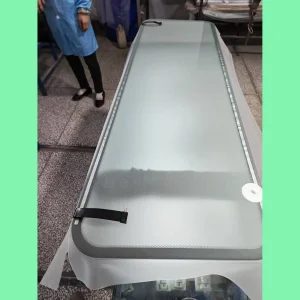
Utilizing magnetron sputtering and pyrolytic coating technologies to achieve industry-leading U-values and Solar Heat Gain Coefficients (SHGC).
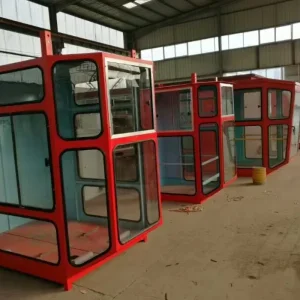
The demand for Low-E glass factories is driven by a global shift toward carbon neutrality. For the automotive industry, specifically electric vehicles (EVs), Low-E glass is critical. It reduces the load on HVAC systems, directly extending the driving range of the vehicle by preserving battery life. In industrial applications, such as crane cabins or agricultural machinery, Low-E glass ensures operator comfort under extreme solar exposure.
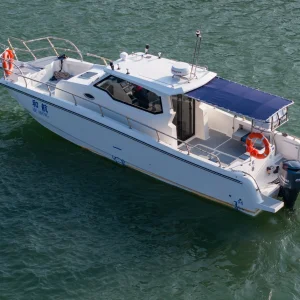
Procurement directors today face the challenge of balancing cost with rigorous compliance. Aero Glass provides a vertically integrated solution. From raw glass selection to precision tempering and coating, we control the entire value chain. This ensures that every piece of glass—whether it's for a high-speed bus or a luxury yacht—meets the precise spectral requirements of the client.
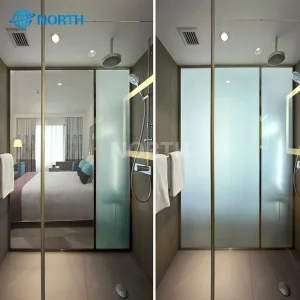
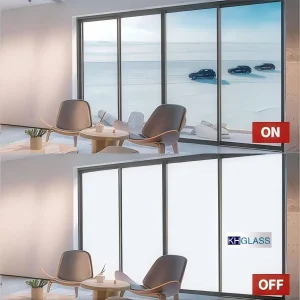
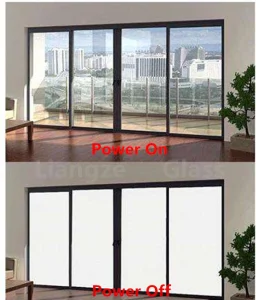
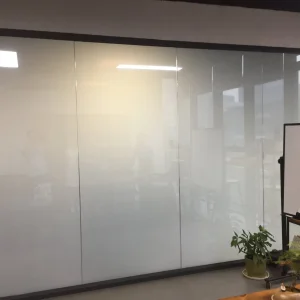
Our technical roadmap focuses on the "Smartification" of Low-E glass. By integrating PDLC (Polymer Dispersed Liquid Crystal) technology with Low-E coatings, we are developing glass that can not only block heat but also provide instant privacy. This "Smart Low-E" approach is the future of sustainable glass design.
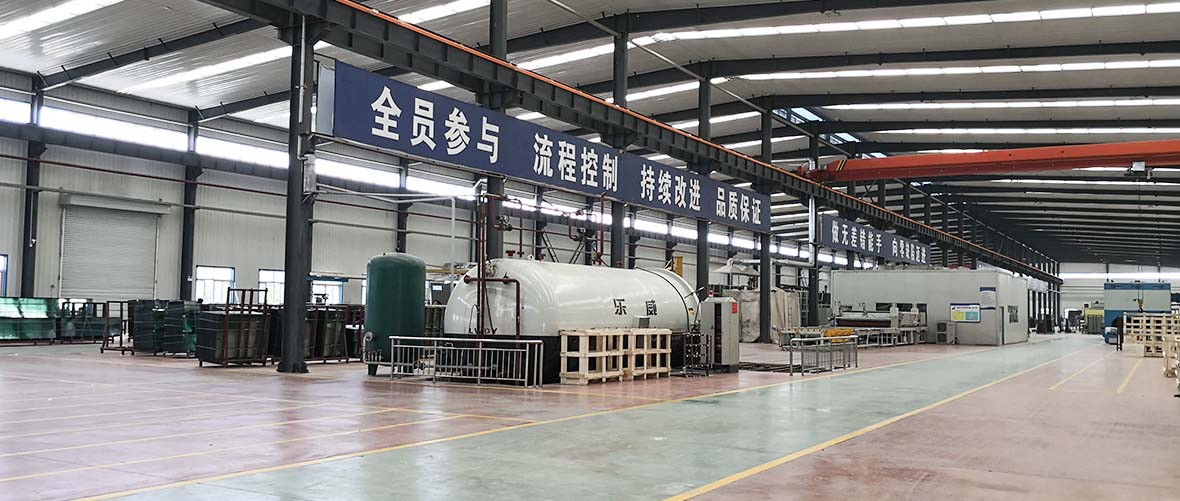
Anhui Aero Glass Co. Ltd is not just a manufacturer; we are a strategic partner in the global glass industry. Specializing in the research, development, and production of automotive and industrial glass, our portfolio encompasses laminated, tempered, and specialized heated glass solutions.
Rigorous testing at every stage ensures compliance with ISO/TS-16949 and ISO-9001 standards. Every pane is inspected for optical clarity and coating uniformity.
Our efficient logistics and streamlined production allow us to meet tight deadlines for global shipments, ensuring your assembly lines never stop.
We provide responsive technical support, helping clients with installation, compliance documentation, and troubleshooting across time zones.
By optimizing our manufacturing overhead and sourcing raw materials at scale, we offer premium quality at a cost-effective price point.
The global Low-E glass market is projected to grow significantly as green building codes and vehicle emissions standards tighten. For manufacturers in China, the key to success is localized support and compliance. We ensure that our glass carries the necessary markings (E-Mark for Europe, DOT for the USA, CCC for China) so that our international clients face zero regulatory hurdles.
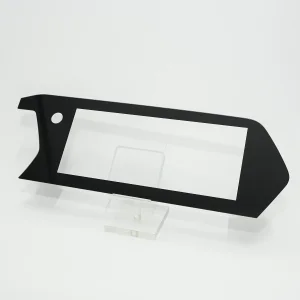
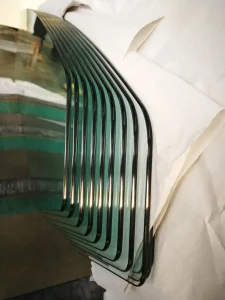
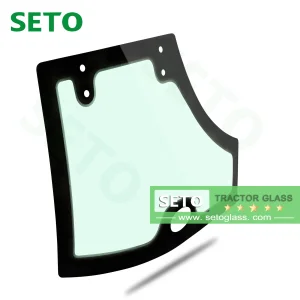
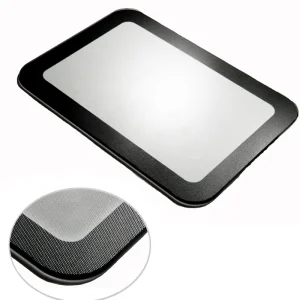
We offer customized engineering services, working closely with vehicle designers and architects to develop glass that fits unique curvatures and aesthetic requirements. Whether it's deep curved tempered glass for tractor cabs or high-transmittance cover glass for automotive touch panels, our engineering team provides the CAD support and prototyping needed for modern innovation.
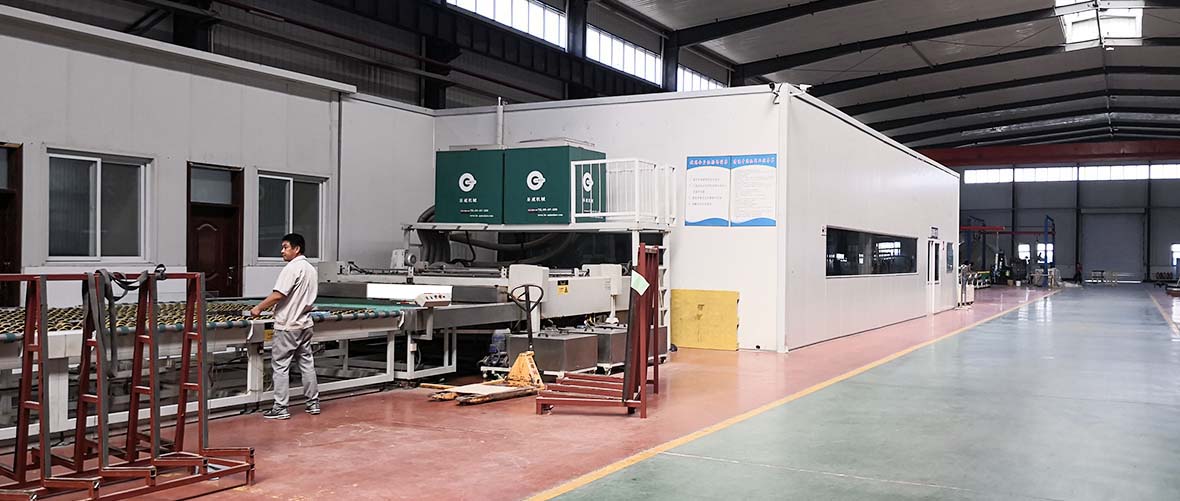
At Aero Glass, we are always seeking new opportunities for collaboration. Whether you are a manufacturer, distributor, or end-user, we are eager to form long-lasting partnerships and provide solutions tailored to your specific needs. We believe in mutual growth and success, and we sincerely look forward to cooperating with you.
 Aero Glass