Reflective coating glass represents a core technology in modern structural glazing, architectural design, and industrial transport glass engineering. By altering the surface properties of float glass substrates, these optical coatings allow developers, architects, and transport engineers to control heat transfer, minimize HVAC costs, and optimize solar control.
Anhui Aero Glass Co. Ltd is a professional automotive and specialized glass manufacturer, specializing in the research, development, production, and sales of a wide variety of advanced glass products. Our offerings include laminated glass, tempered glass, frame with glass, bus glass, tungsten heated glass, electric vehicle glass, truck glass, agricultural vehicle glass, engineering vehicle glass, and custom thin-film coated glass panels for demanding industrial configurations.
The company has grown rapidly and now covers an area of 30,000 square meters, employing over 100 highly skilled personnel, including 12 senior and intermediate glass scientists and coating technicians. With a strong technical force and innovative capabilities, we continually strive to lead in the glass fabrication industry.
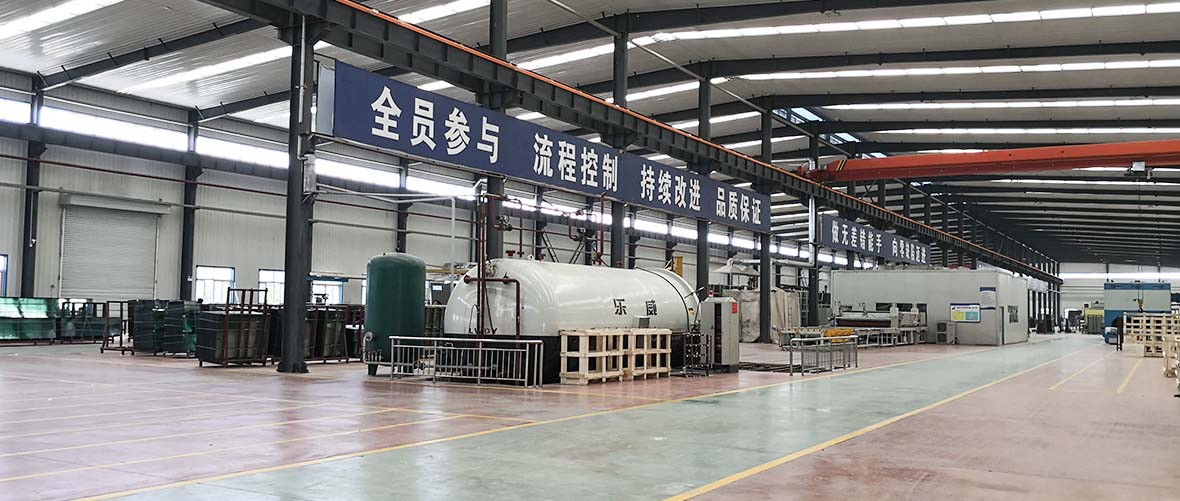
Aero Glass has established itself as a trusted name in the global market. Our products are exported to over 20 countries and regions, including Europe, North America, Southeast Asia, and Africa. Our glass solutions have garnered high recognition and widespread praise from both domestic and international customers for their durability, safety, and precision engineering.
Our products are certified by internationally recognized standards bodies, including China CCC, the European E-Mark, and the U.S. DOT. In 2015, Aero achieved the prestigious ISO/TS-16949 and ISO-9001 certifications—representing the gold standard of quality management in the automotive and industrial component manufacturing space.
The market for reflective glass has expanded beyond basic high-rise office facades into specialized applications in marine engineering, industrial transport, solar energy, and defense.
Modern building energy directives require strict limits on thermal transfer. Low-E and solar control reflective glasses are key components to achieving LEED, BREEAM, and DGNB certifications by lowering energy footprints.
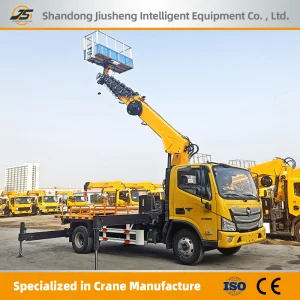
For heavy machinery, agricultural vehicles, and modern electric buses, maintaining stable cabin temperatures is critical. Integrated tinted reflective glass decreases structural strain on cabin cooling systems.
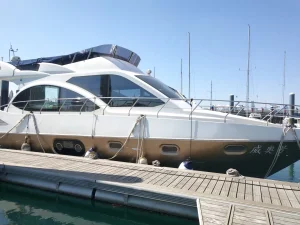
Marine craft expose windows to intense solar reflection from water surfaces. Double-sided reflective coated glass is engineered to mitigate harsh solar glare and protect cabin interiors from salt spray degradation.
This shift in demand has elevated China as a key supplier for high-end optical glass coatings. By utilizing scale, automated cleanroom fabrication, and access to premium raw float materials, our factory outputs glass that meets global technical parameters at competitive prices.
Achieving high spectral selectivity requires precise deposition methods. The two primary methods for applying reflective coatings to glass are Online Pyrolytic Deposition (Hard Coat) and Offline Magnetron Sputter Vacuum Deposition (Soft Coat).
Online coating occurs while the float glass is being manufactured on a tin bath. At high temperatures (approx. 600°C), metal gases are sprayed onto the hot glass surface, initiating a chemical reaction that bonds the metal oxide layer to the silica structure.
Offline sputter coating is conducted in high-vacuum chambers. The pre-cut float glass passes through a series of vacuum chambers where gas ions bombard target metals (like silver, chrome, or zinc), depositing thin metallic layers on the surface.
| Performance Parameter | Pyrolytic Hard Coat (Online) | Sputtered Soft Coat (Offline) | Aero Double-Sided Coated |
|---|---|---|---|
| Visible Light Transmittance (VLT) Range | 50% - 70% | 30% - 80% | 15% - 45% (Glare Optimized) |
| Solar Heat Gain Coefficient (SHGC) | 0.50 - 0.70 | 0.25 - 0.45 | 0.20 - 0.35 |
| U-Value (W/m²·K) | 3.2 - 3.8 | 1.1 - 1.8 (IGU) | 1.4 - 2.2 (Laminated) |
| Scratch and Handling Resistance | Extremely High | Moderate (Requires care) | High (Laminated Protection) |
| Primary Architectural Application | Monolithic Facades, Retrofits | Low-E Windows, Sky Scrapers | Marine Craft, Specialty Transport |
Our factory customizes coating configurations to match thermal, aesthetic, and mechanical requirements across different industries.
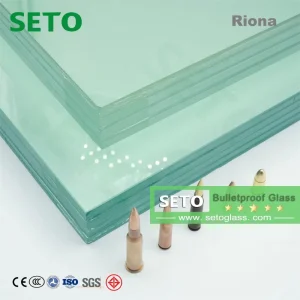
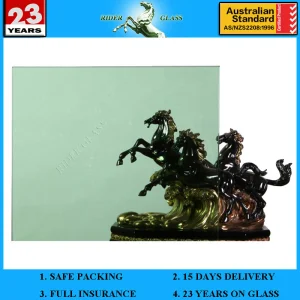
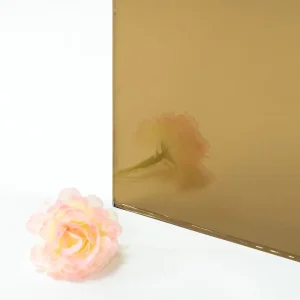
For modern skyscrapers and green building developments, our Bronze Tinted Reflective Glass and Low-E Coated Glass (3300x2440mm) balance natural daylight entry with thermal resistance. This stabilizes indoor climates in hot regions like the Middle East and Southeast Asia, lowering air conditioning energy usage.
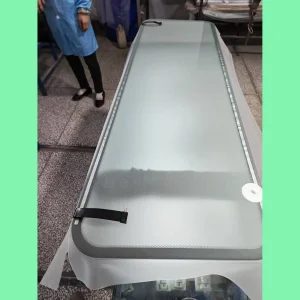
Combining laminated PVB cores with metal sputtered layers protects vehicle interiors from solar degradation. Our Heated Curved Laminated Windshields incorporate tungsten heating wires with solar-reflective coatings, providing both active de-icing and passive solar protection.
Marine vessels are exposed to intense UV rays and moisture. Our Double-Sided Reflective Glass for ship windows features corrosion-resistant metal oxide films. This reduces glare from the ocean surface and maintains clear visibility for the crew.
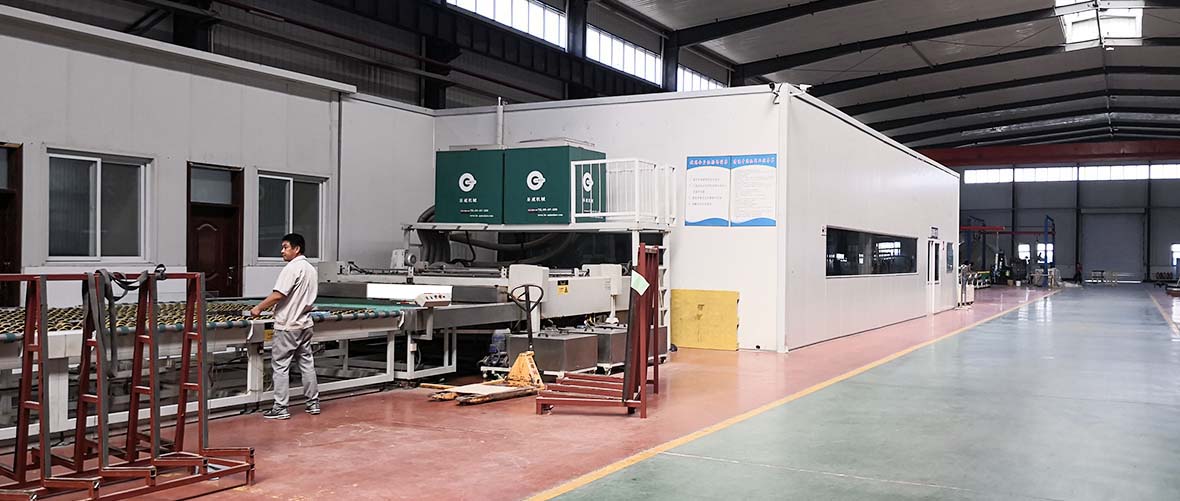
We back our global supply operations with strict standard operating procedures that ensure long-term product durability:
 Aero Glass