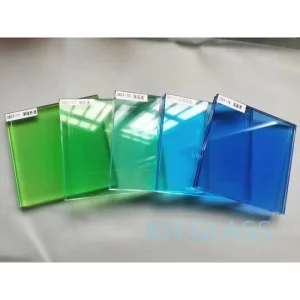
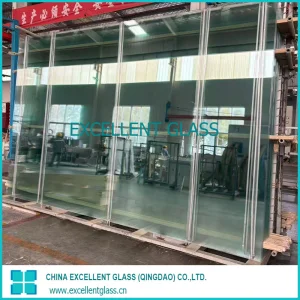
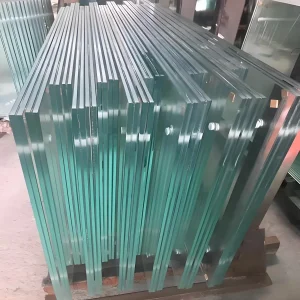
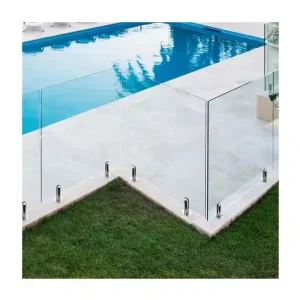
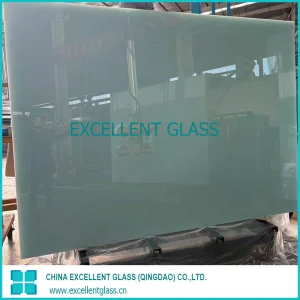
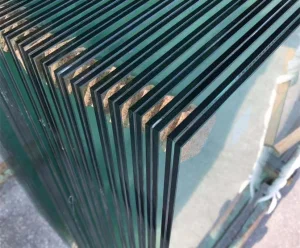
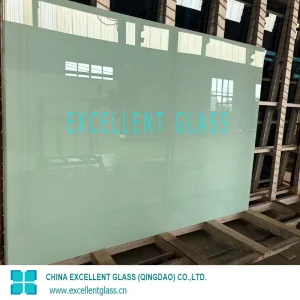
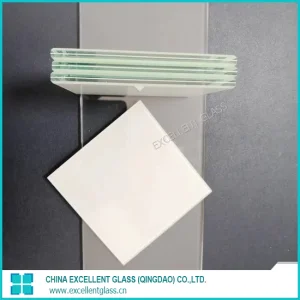
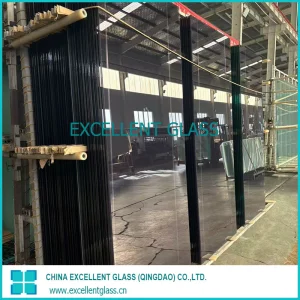
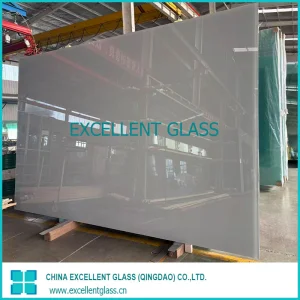
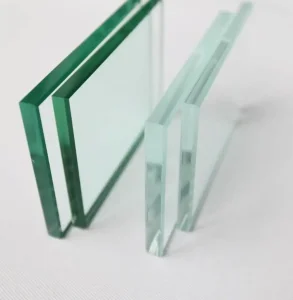
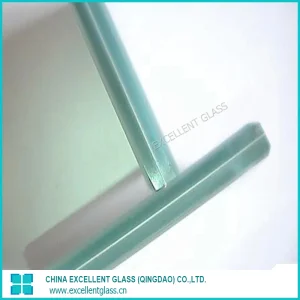
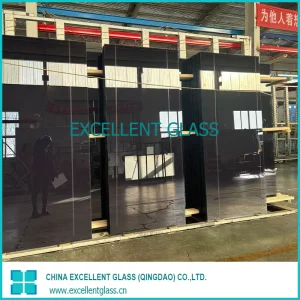
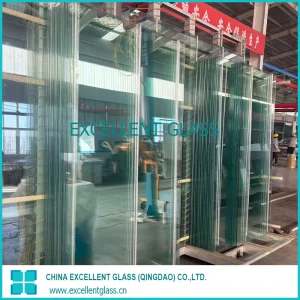
These are the original featured product options for architects, façade contractors, window fabricators and distributors sourcing acoustic laminated glass for Novosibirsk and the wider Siberian market. Each product URL is retained for direct inquiry and specification review.
Novosibirsk combines scientific institutions, dense housing, logistics gateways, rail corridors and industrial zones. That mix creates a demanding acoustic environment where advanced glazing can deliver measurable comfort, safety and asset value.
Novosibirsk is the largest city in Siberia and one of Russia's most important scientific, educational, logistics and industrial centres. Its property market combines dense central districts, large housing estates, the Akademgorodok research cluster, the Tolmachevo airport gateway, the Trans-Siberian Railway corridor and federal road networks. This creates a specific acoustic profile: steady road noise, intermittent rail and aviation events, winter wind, and equipment noise from industrial and utility facilities.
For developers, architects, façade engineers and window fabricators, glazing is no longer only a thermal or visual element. It is a measurable part of occupant comfort, safety and asset value. In new residential and mixed-use projects near major arterials, hotels, clinics, education buildings and research facilities, buyers increasingly ask for documented acoustic performance. The same is true in envelope retrofit, where older windows are upgraded to reduce noise, heat loss and condensation risk without changing the architectural character.
A reliable supplier for Novosibirsk should combine tested acoustic glazing know-how with cold-climate edge sealing, custom size capability, export packing and clear technical documentation.
Globally, acoustic laminated glass is expanding from a premium option into a mainstream specification in cities, transport corridors, airports, hospitals, schools and offices. Drivers include urban densification, stricter noise and safety expectations, green building rating systems, electrified transport — which reduces engine noise and makes road and tyre noise more noticeable — and demand for façades that combine acoustic, solar-control, thermal and safety functions.
The strongest manufacturers are those able to control interlayer selection, lamination quality, tempering compatibility, edge sealing and batch traceability. In the global supply chain, buyers compare not only glass thickness, but also acoustic PVB grade, test reports, durability under thermal cycling, and the ability to match visual, solar and safety requirements in one build-up.
For the Novosibirsk market, this global shift creates an opportunity: local project teams can adopt proven high-performance laminated glass constructions while adapting them to Siberian climate and logistics realities.
Acoustic performance is not achieved by simply making glass thicker. It comes from the interaction between glass mass, interlayer damping, cavity design, edge sealing and the frequency spectrum of the noise source.
Glass panes provide mass while the PVB interlayer acts as a viscoelastic spring and damper. In an insulating glass unit, the cavity and perimeter seal complete the system. The right combination reduces vibration transmission across traffic, speech and low-frequency urban noise bands.
Standard PVB improves safety and offers some sound reduction. Acoustic PVB is formulated with modified viscoelastic properties that target the coincidence dip and improve sound attenuation in critical speech and traffic frequencies. It is a material specification, not merely a thickness upgrade.
Specification teams commonly refer to ISO 10140, ASTM E90, EN 12758 and related national methods for acoustic testing. A credible supplier should support project teams with build-up drawings, performance data, sample approval and batch traceability rather than relying on generic claims.
Laminated glass retains fragments after breakage, improving protection for occupants and pedestrians. Combined with tempered glass, acoustic laminated units can deliver sound insulation, impact safety, security and thermal performance in a single façade module.
Novosibirsk winters and temperature swings put stress on edge seals, desiccants, spacers and laminated edges. Specification should consider thermal movement, condensation risk, UV exposure and installation tolerances, especially on south-facing façades and heated interior zones.
Pane asymmetry, air gap, interlayer type, frame interface and installation sealing can change measured performance. The best approach is to define the noise target, select a laminated glass build-up, and verify performance through accredited testing for the exact construction.
The bars below indicate relative design ambition, not guaranteed Rw or STC values. Actual performance depends on the complete glazing system and must be confirmed by accredited testing for the exact build-up.
The next wave of façade and window specifications will be defined by integrated performance: acoustic comfort, thermal efficiency, safety, daylight control, aesthetics and verifiable supply-chain quality.
As Novosibirsk's road and rail corridors carry more traffic, acoustic comfort becomes a residential and commercial differentiator. Quieter interiors can support higher tenant satisfaction, better sleep quality, improved concentration in schools and greater privacy in clinics and offices.
Many older buildings can be upgraded with high-performance acoustic laminated windows and balcony glazing without a full façade redesign. The opportunity is strongest where existing windows are thermally weak, draughty or exposed to persistent transport noise.
Project teams increasingly request acoustic PVB together with Low-E coatings, tinted or frosted glass, tempered glass and decorative interlayers. A single build-up can address noise, solar gain, glare, privacy, safety and winter heat retention.
Airports, railway stations, logistics parks and bus terminals require robust glazing that balances acoustic comfort, impact safety and maintenance. Laminated glass is well suited to these high-traffic environments when specified with appropriate framing and installation detailing.
High-performance glazing supports energy efficiency, occupant wellbeing and durable building envelopes. In cold-climate markets, the whole-life value of better windows can be measured through reduced heating demand, improved comfort and lower maintenance risk.
Architects and buyers now expect clearer technical files, drawings, performance data and quality documentation. Digital workflows help reduce specification errors, especially for custom sizes, curved shapes, printed patterns and multi-layer laminated constructions.
Acoustic laminated glass is not limited to one building type. It can be adapted to residential, institutional, commercial, transport and industrial projects where noise control and safety both matter.
Apartments and townhouses near major avenues, ring roads and railway lines can use acoustic PVB laminated windows to reduce traffic noise while maintaining daylight, views and winter thermal comfort. Balcony and terrace glazing can extend usable living space in cold months.
Institutions in Akademgorodok and city-wide education projects require quiet environments for study, measurement and concentration. Acoustic laminated glass can help control external transport noise and support safety in high-occupancy buildings.
Clinics, hospitals and rehabilitation centres benefit from reduced noise disturbance, privacy and impact safety. Laminated glass with acoustic PVB can be combined with frosted or translucent interlayers for visual privacy without sacrificing daylight.
Commercial properties near transport nodes need quiet guestrooms, focused workplaces and comfortable customer environments. Acoustic laminated glass can also be combined with Low-E or tinted glass to manage solar gain and glare in glazed façades.
Railway, airport and bus facilities require durable, safe and acoustically controlled glazing. Laminated glass helps retain fragments after impact and can support noise-sensitive waiting areas, offices and passenger zones when correctly framed and installed.
Industrial offices, control rooms and utility buildings may be exposed to equipment noise, wind and temperature extremes. Laminated acoustic glass can improve working comfort while contributing to a more robust and maintainable building envelope.
The future of acoustic glazing is not a single product. It is a specification system that links acoustic intent, material engineering, cold-climate durability and digital quality assurance.
Define the noise source, time of day, frequency spectrum, receiver location and comfort target. A window facing a high-speed arterial road may require a different build-up from a courtyard-facing unit in the same building.
Select acoustic PVB grade, glass thickness, pane asymmetry, cavity width, Low-E coating, tint and tempering requirements. The objective is balanced performance, not a single laboratory number.
Review edge sealing, desiccant, spacer, thermal movement and installation tolerances for Siberian conditions. Winter performance, condensation control and long-term lamination integrity are essential for repurchase and warranty confidence.
Provide drawings, batch records, packing plans, delivery schedules and inspection reports. For Novosibirsk projects, export packaging and logistics coordination are part of the technical solution, not an afterthought.
Future outlook: as Siberian cities modernise building envelopes and tighten comfort expectations, suppliers that combine acoustic simulation, cold-climate sealing knowledge, integrated solar-control glazing and reliable export delivery will have a clear advantage. The strongest growth is likely in retrofit windows, mixed-use façades, healthcare and education buildings, transport facilities and premium residential projects.
From individual windows to complete façade packages, the product strategy should match the project's acoustic, safety, thermal and visual requirements.
Acoustic PVB laminated glass combined with insulating glass for apartments, houses and balcony glazing.
High-performance laminated glass for offices, hotels, retail and mixed-use developments.
Safety glazing for railway, airport, bus and logistics environments where acoustic and impact performance meet.
Quiet, safe and comfortable glazing for schools, research centres, clinics and public buildings.
These additional product URLs are retained for buyers comparing acoustic performance, tinted aesthetics, decorative effects and safety configurations.
Aero's manufacturing discipline, quality systems and export experience support acoustic laminated glass specifications for demanding markets such as Novosibirsk.
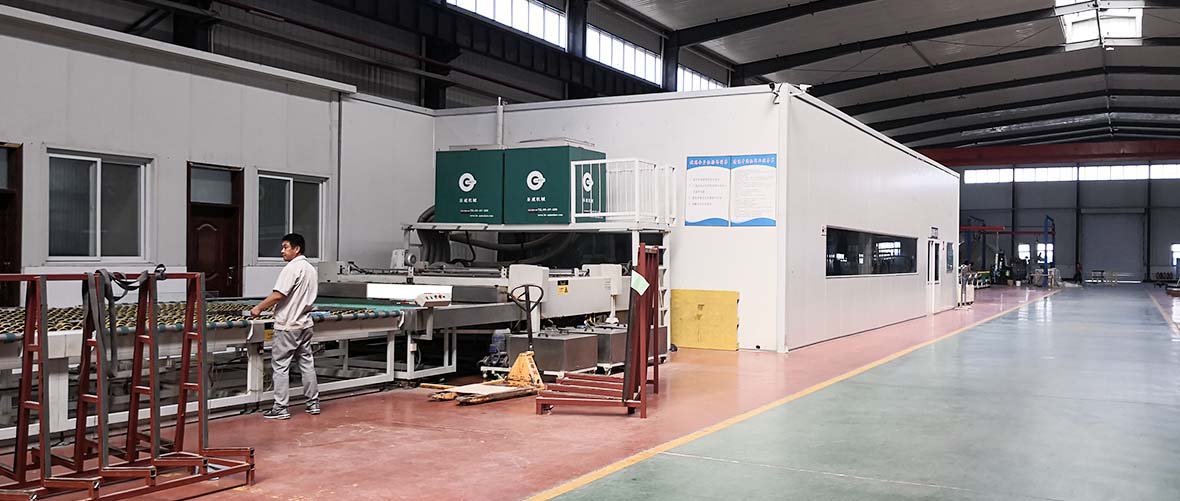
Anhui Aero Glass Co. Ltd is a professional automotive glass manufacturer, specializing in the research, development, production, and sales of a wide variety of automotive glass products. Our offerings include laminated glass, tempered glass, frame with glass, bus glass, tungsten heated glass, electric vehicle glass, truck glass, agricultural vehicle glass, engineering vehicle glass, and much more.
The company has grown rapidly and now covers an area of 30,000 square meters, employing over 100 skilled personnel, including 12 senior and intermediate technicians. With a strong technical force and innovative capabilities, we continually strive to lead in the automotive glass industry.
Our products are certified by internationally recognized bodies, including China CCC, the European E-Mark, and the U.S. DOT. In 2015, Aero achieved the prestigious ISO/TS-16949 and ISO-9001 certifications—both representing the highest quality management standards in the auto parts industry.

Aero Glass has established itself as a trusted name in the global market. Our products are exported to over 20 countries and regions, including Europe, North America, Southeast Asia, and Africa. Our auto glass solutions have garnered high recognition and widespread praise from both domestic and international customers for their durability, safety, and precision.
We are committed to providing customers with:
At Aero Glass, we are always seeking new opportunities for collaboration. Whether you are a manufacturer, distributor, or end-user, we are eager to form long-lasting partnerships and provide solutions tailored to your specific needs. We believe in mutual growth and success, and we sincerely look forward to cooperating with you.
If you are interested in exploring the potential of working with Aero Glass, please contact us today. Let’s build a future of success together.
These answers help architects, distributors, window fabricators and project buyers compare acoustic laminated glass specifications before requesting a quotation.
Standard PVB is primarily used for safety, fragment retention and some sound reduction. Acoustic PVB uses modified viscoelastic chemistry to improve sound insulation, especially around the coincidence dip and speech-frequency ranges. It should be specified as a distinct material, not treated as a generic laminated glass option.
The improvement depends on the whole glazing build-up, frame, cavity, installation and noise source. A sound consultant or glazing supplier should compare laboratory test data for the exact construction. For early planning, acoustic PVB is typically selected when standard laminated glass alone cannot meet the desired interior comfort target.
Yes, depending on the design, glass thickness, interlayer, curvature and safety requirements. Tempered and toughened acoustic laminated glass is common for doors, windows, façades and balustrades. Curved and shaped glass should be reviewed at the drawing stage to confirm lamination and edge quality.
A typical design combines acoustic PVB laminated glass with an insulating glass unit, warm-edge spacers and appropriate Low-E coatings. The edge seal, desiccant, frame thermal break and installation details are critical for condensation control and long-term durability. Final selection should follow the project's energy, acoustic and condensation requirements.
Yes. Acoustic PVB can be combined with tinted glass, Low-E coatings, frosted interlayers, colored interlayers, patterned glass and decorative effects. This allows one assembly to support noise control, solar management, privacy, branding and architectural design.
Request test reports for the exact or closely comparable build-up, confirm the test standard, lab, specimen size and mounting method, and review complementarity with the frame system. For large projects, mock-up testing or consultant review may be appropriate before mass production.
Aero supports export packaging, custom size coordination, order documentation and logistics planning for international buyers. Project teams should provide target dimensions, quantities, glazing build-up, performance requirements and delivery schedule so a practical quotation and packing plan can be prepared.
Send the application, window or façade size, target acoustic requirement, glass type, color or privacy preference, safety requirement, quantity and destination. The Aero team can then recommend a suitable acoustic PVB laminated glass solution and provide the next steps for sampling, testing and production.
These original product URLs complete the acoustic, decorative, safety and laminated glass range for distributors, fabricators and specifiers serving Novosibirsk.
Send your window or façade sizes, acoustic target, glass preferences and delivery schedule. Aero will review the application and recommend a practical laminated glass build-up.
 Aero Glass