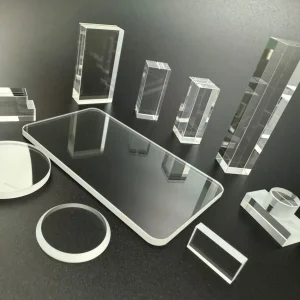
The global demand for Optical Grade Polycarbonate Sheets has seen an unprecedented surge over the last decade. Unlike standard polycarbonate, optical grade materials are manufactured under stringent clean-room conditions to ensure absolute clarity, minimal distortion, and the highest possible light transmission levels, often exceeding 89-92%. This makes them the primary alternative to traditional glass in sectors where weight reduction and impact resistance are non-negotiable.
In the current industrial climate, optical grade polycarbonate is no longer just a "plastic sheet." It is a complex engineering solution often integrated with Anti-Glare (AG), Anti-Reflective (AR), and Hard-Coating (HC) technologies. Global suppliers are now focused on achieving "Glass-Like" hardness (up to 3H-5H on the Pencil Hardness scale) while maintaining the inherent flexibility and toughness of polycarbonate.
EV manufacturers are prioritizing Optical PC for panoramic sunroofs and digital cockpit displays to enhance range via weight reduction.
The push for circular economies is driving the development of bio-based optical grades and high-efficiency recycling processes.
Procurement teams now demand specialized coatings: self-healing surfaces, anti-microbial layers, and extreme UV resistance.
When sourcing from China Optical Polycarbonate Sheet Factories, global buyers are looking for more than just a low price. The modern procurement checklist includes ISO-16949 certifications, optical purity reports, and the ability to provide custom CNC fabrication. Suppliers like Anhui Aero Glass are answering this call by integrating downstream processing—such as silk-screen printing, thermal forming, and multi-layer lamination—into their core manufacturing flow.
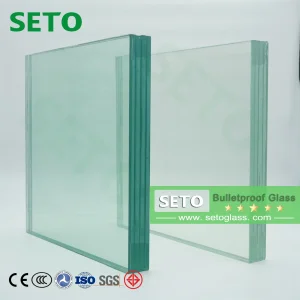
This trend is particularly evident in the Medical and Safety sectors. From high-clarity face shields and medical equipment housings to bullet-resistant laminates, the requirements for optical consistency and chemical resistance are higher than ever. China’s supply chain offers a unique advantage here, providing rapid prototyping and scalable production that Western facilities often struggle to match in terms of lead time.
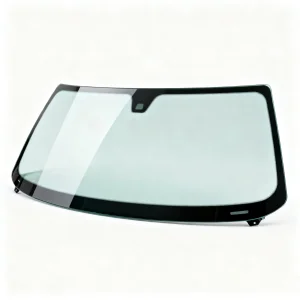
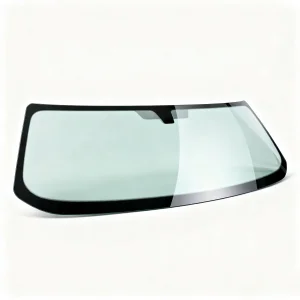
Anhui Aero Glass Co. Ltd is a professional automotive glass manufacturer, specializing in the research, development, production, and sales of a wide variety of automotive glass products. Our offerings include laminated glass, tempered glass, frame with glass, bus glass, tungsten heated glass, electric vehicle glass, truck glass, agricultural vehicle glass, engineering vehicle glass, and much more.
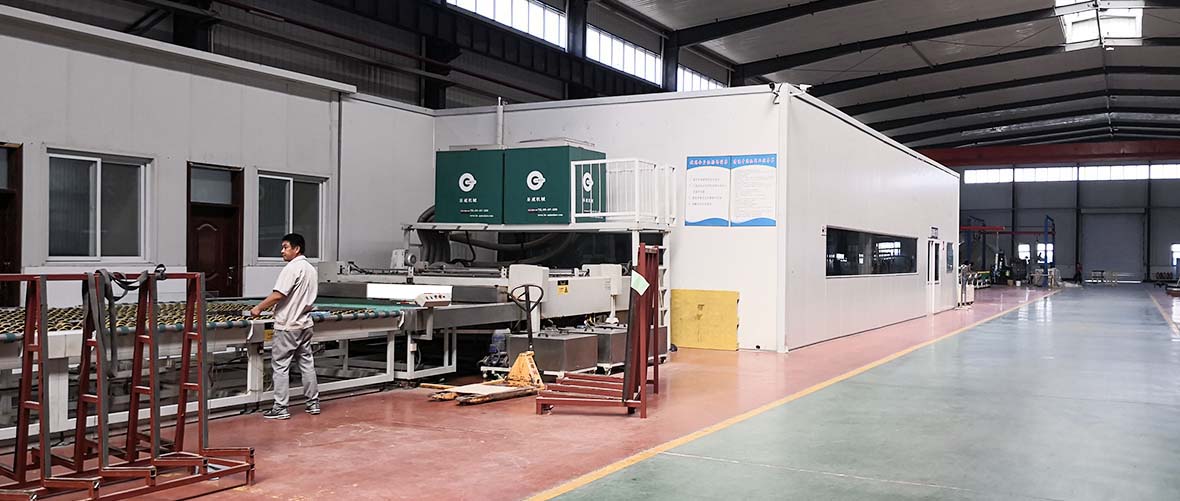
The company has grown rapidly and now covers an area of 30,000 square meters, employing over 100 skilled personnel, including 12 senior and intermediate technicians. With a strong technical force and innovative capabilities, we continually strive to lead in the automotive glass industry.
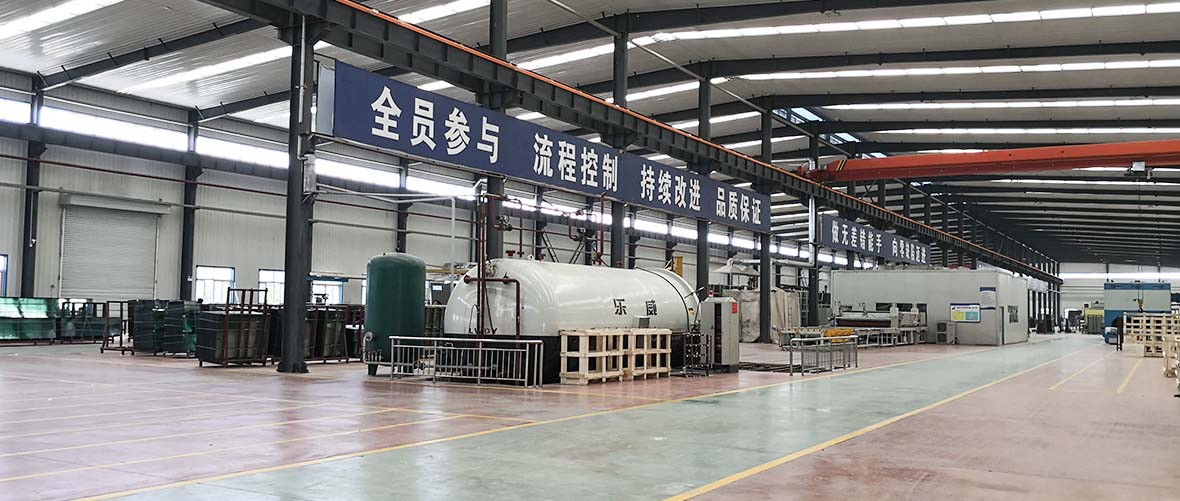
Aero Glass has established itself as a trusted name in the global market. Our products are exported to over 20 countries and regions, including Europe, North America, Southeast Asia, and Africa. Our auto glass solutions have garnered high recognition and widespread praise from both domestic and international customers for their durability, safety, and precision.
Localized application scenarios for Optical Grade Polycarbonate are expanding into specialized niches. In the Military and Defense sector, these sheets are used for helicopter canopies and armored vehicle viewports due to their ability to withstand ballistic impact without shattering into dangerous shards. In Smart City Infrastructure, they provide the protective covering for outdoor digital signage and interactive kiosks, where sunlight readability and weatherability are critical.
As a leading China factory, Anhui Aero Glass leverages its deep expertise in automotive glazing to push the boundaries of polycarbonate technology. Our advantages include:
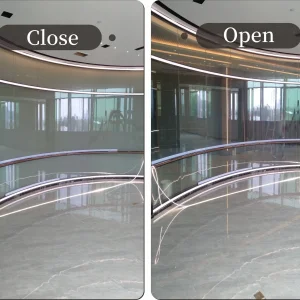
Looking forward, the synergy between Optical Grade Polycarbonate and Smart Glass technologies (like PDLC and Electrically Heated solutions) is where we see the most growth. We are actively developing hybrid laminates that combine the structural benefits of PC with the functional intelligence of electronic glass systems.
 Aero Glass