Aero Glass
1 / 5
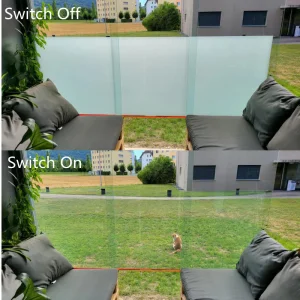
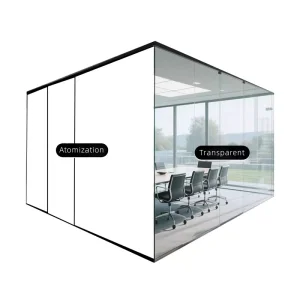
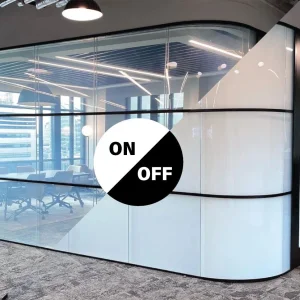
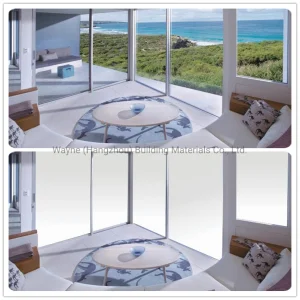
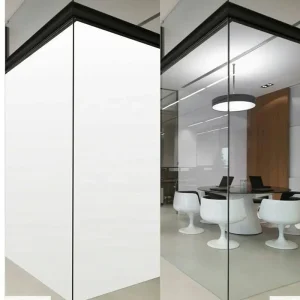
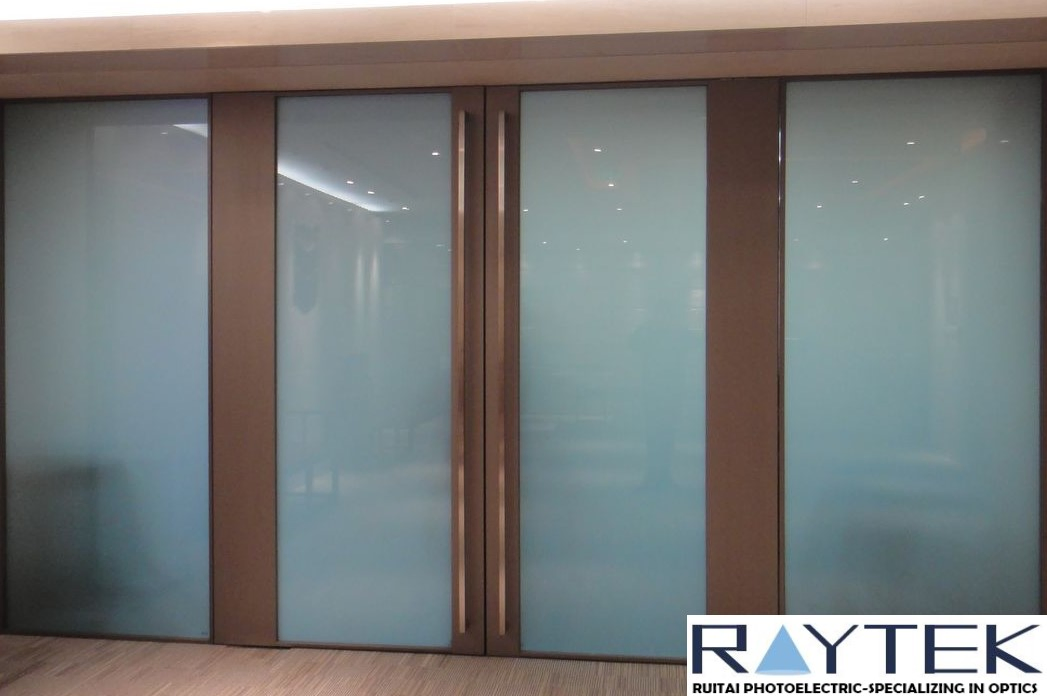
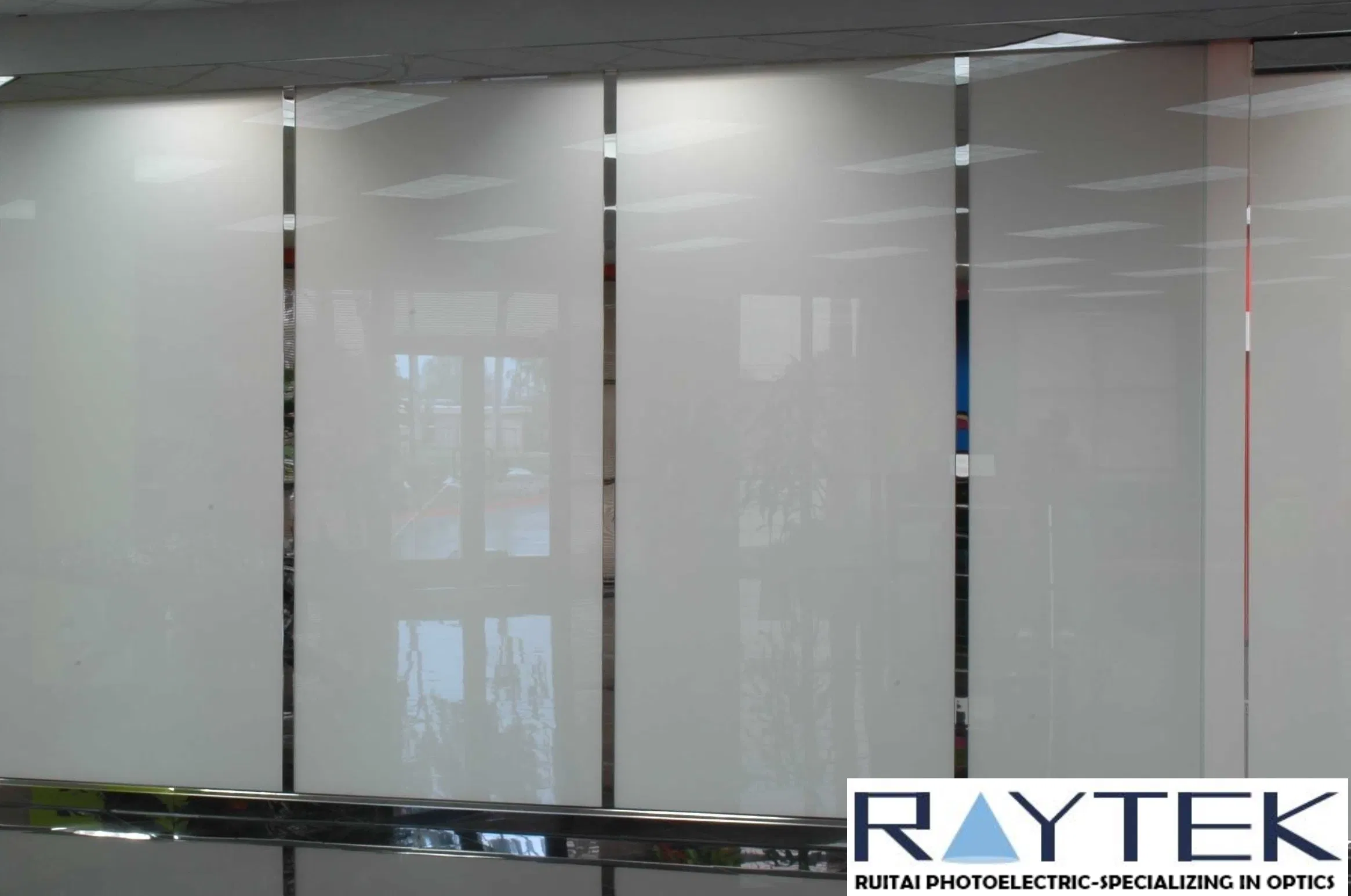
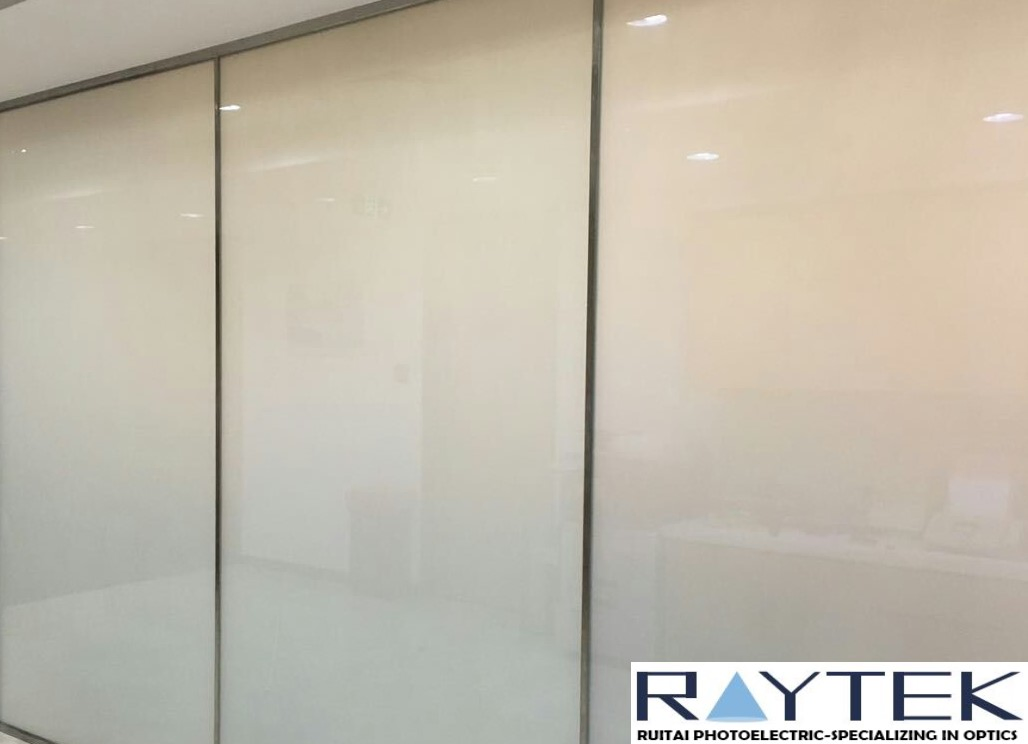
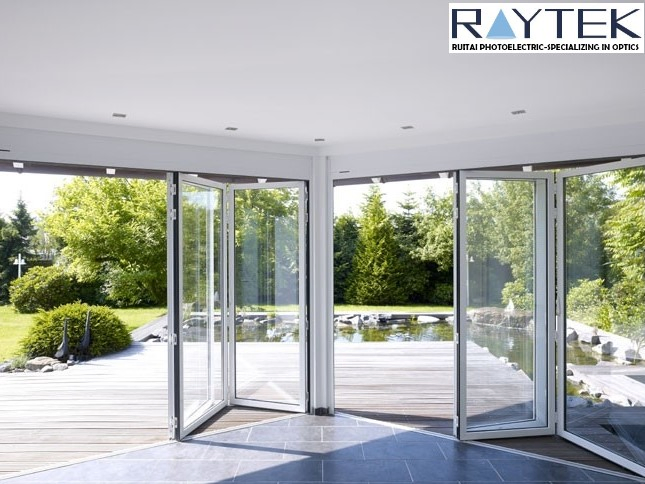
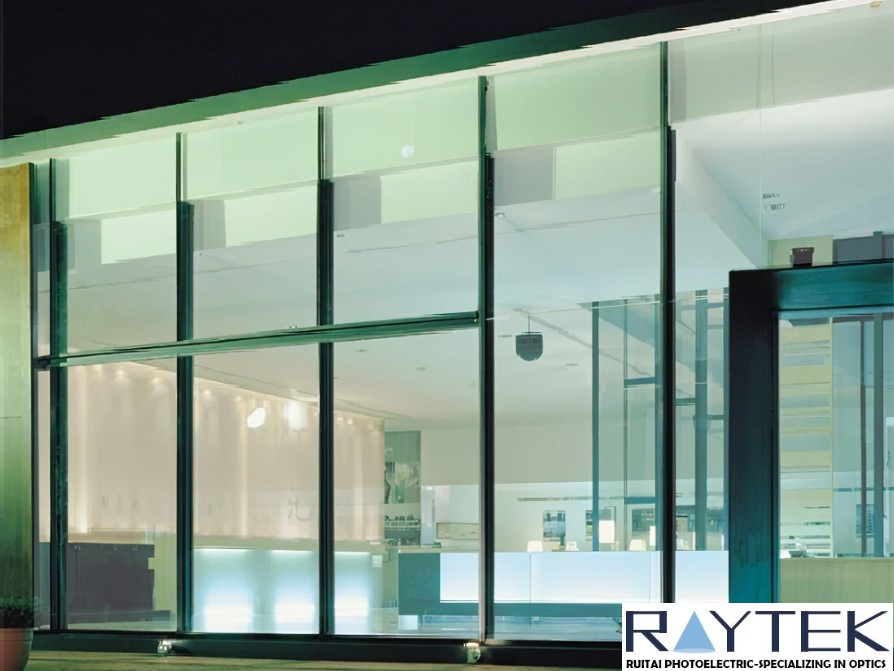
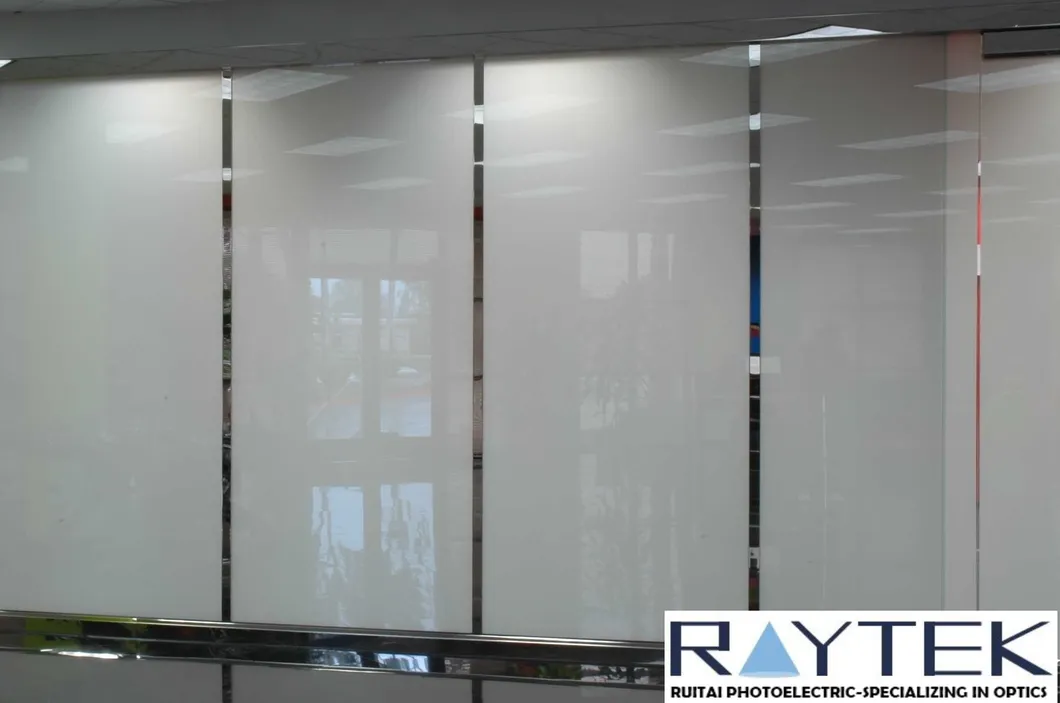
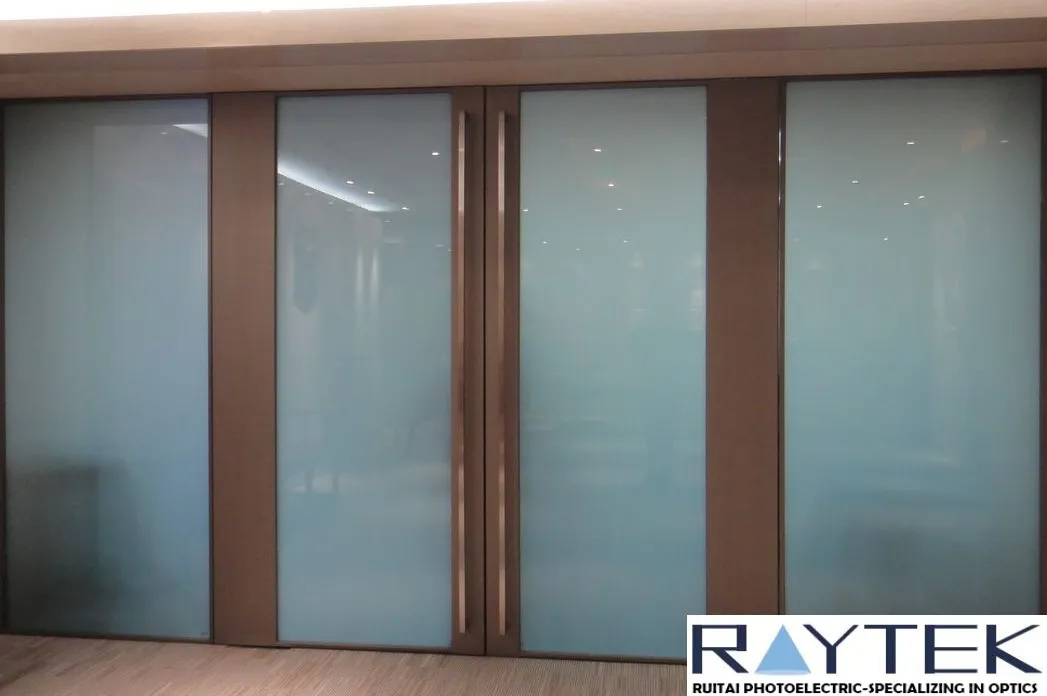
According to the similarities and differences of control methods and principles, dimming glass can realize the switching between transparent and opaque states of glass through various methods such as electrical control, temperature control, light control, and voltage control. Almost all dimming glass mass-produced on the market is electronically controlled. When the power is off, liquid crystal molecules disperse irregularly, blocking light and making the glass opaque.
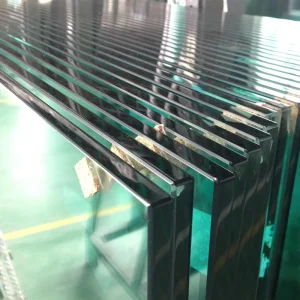
The dimming glass is a new type of special optoelectronic glass product with a sandwich structure. It is formed by compounding a liquid crystal film between two layers of glass under high temperature and pressure. Users can instantly switch between transparent and opaque states by controlling the electrical current. It combines the features of safety glass with advanced privacy protection.
| Parameter | Details |
|---|---|
| Glass Thickness | 5.5mm - 40.5mm (2+2 to 19+19) |
| Interlayer Thickness | 1.5mm |
| Drilling and Grooving | Available |
| Storage Temperature | -20°C to 60°C |
| Operating Temperature | -10°C to 50°C |
| Working Voltage | 24VAC, 48VAC or 65VAC |
| Light Transmittance | Approx. 75% |
| Privacy Distance | Shields images beyond 3cm from the glass |
| Viewing Angle | Approx. 140 degrees |
| Energy Consumption | 5 Watts per square meter |
| Lifespan | More than 10 years |