
In contemporary industrial manufacturing, optical performance and structural safety are no longer separate concerns. Highly specialized industries—ranging from premium automotive, marine engineering, and advanced rail transit to military vehicles and smart digital infrastructure—increasingly demand glass substrates that eliminate visual distortion while offering extreme structural resilience. Anti-Reflective (AR) glass addresses these concurrent demands through nanoscale optical interference layers. Unlike standard soda-lime float glass, which exhibits an inherent surface reflectance of roughly 8% to 9%, modern AR glass utilizes precision magnetron sputtering or chemical vapor deposition (CVD) to deposit alternating metal oxide coatings (such as SiO2 and TiO2). This destructive interference pattern reduces reflectance to below 1.0% and boosts total visible light transmission to over 98%.
From an engineering perspective, this level of clarity is vital for modern Heads-Up Displays (HUDs), smart automotive cockpits, and crane cabin enclosures. In these environments, glare can lead to optical fatigue or, worse, catastrophic operator error. Simultaneously, this glass must be fully compatible with safety processes, including thermal tempering, chemical strengthening, and multi-layer polyvinyl butyral (PVB) lamination. Consequently, sourcing executives require global manufacturing partners capable of delivering this level of micro-level optical accuracy alongside the macro-level durability needed for heavy industrial applications.
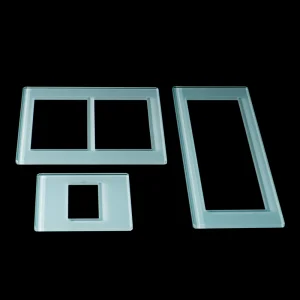
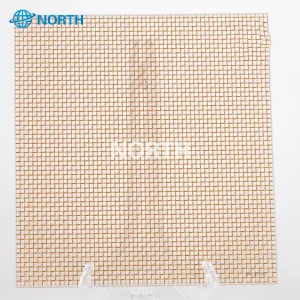
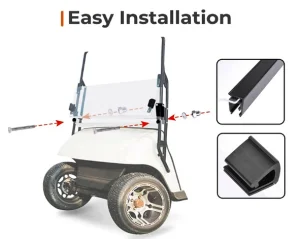
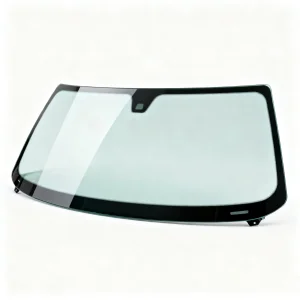
Anhui Aero Glass Co. Ltd is a premier, specialized manufacturer of high-performance automotive and industrial safety glass. Our operational framework spans comprehensive research and development, custom fabrication, and large-scale global exportation of advanced safety glass systems. Our extensive portfolio includes laminated safety glass, tempered glass, framed assemblies, specialized transit glass (buses, high-speed rail, agricultural machinery), tungsten-wire heated glass, electric vehicle glass, and custom engineering cabin panels.
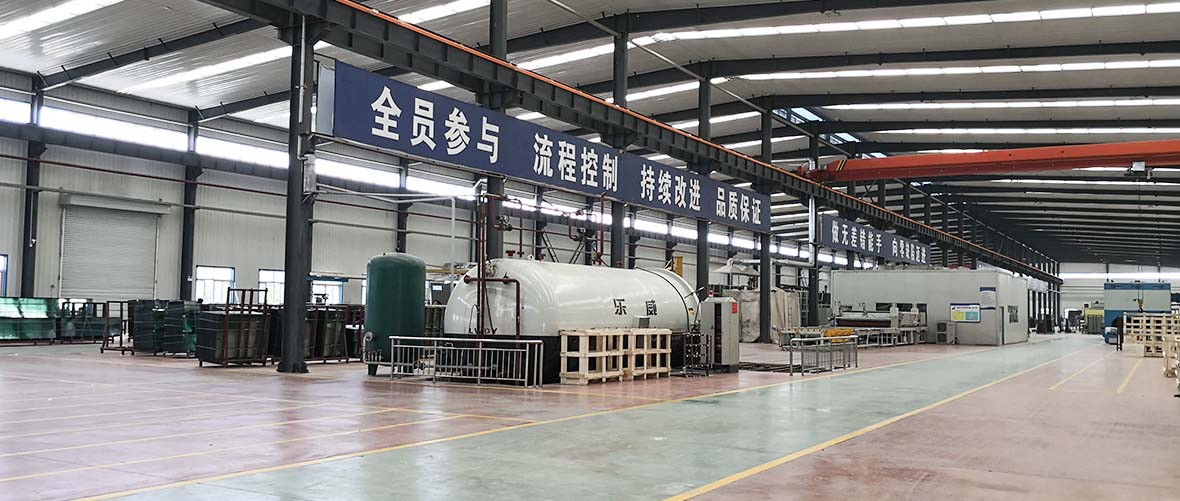
Spread over an advanced 30,000 square meter manufacturing hub, we employ over 100 highly skilled specialists, including a dedicated staff of 12 senior and intermediate engineers. By integrating automated CNC cutting, double-sided edge profiling, precise curved tempering furnaces, and sterile cleanrooms for PVB lamination, Aero Glass delivers architectural and automotive components that meet the industry's most stringent requirements.
Our products are certified by internationally recognized bodies, including China CCC, the European E-Mark, and the U.S. DOT. In 2015, Aero achieved the prestigious ISO/TS-16949 and ISO-9001 certifications—both representing the highest quality management standards in the auto parts industry.
Every batch of safety glass is subjected to rigorous quality testing. This includes optical distortion analysis, spectrophotometric transmission checks, impact resistance (ball drop tests), and environmental simulation chambers to prevent delamination.
Leveraging automated production scheduling and direct access to major Chinese deep-water ports, we optimize lead times for high-volume orders. This guarantees that your assembly lines operate without interruption.
Our engineers provide complete lifecycle support, assisting with raw glass selection, custom CAD design, optical coating matching, and compliance documentation for all target global markets.
The demand for high-performance glass with optical coatings is growing rapidly. Across Europe and North America, strict safety and regulatory guidelines drive the adoption of advanced laminated glass in commercial vehicles and smart building projects. Industrial and agricultural vehicles are also adopting anti-reflective, heated, and sound-insulating glass systems to improve operator comfort and visibility under all weather conditions.
Modern transit systems rely heavily on projected information. Standard glass windshields can cause secondary reflections, leading to double-images or "ghosting." By utilizing precision anti-reflective coatings, we minimize surface reflections, ensuring projected data remains crisp, clear, and readable in direct sunlight.
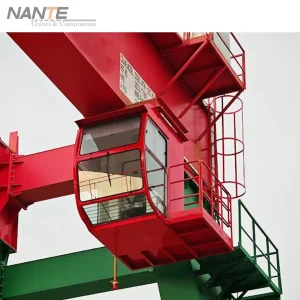
Operators of overhead crane cabins and harbor machinery must maintain clear line-of-sight visual control. Aero Glass custom-engineered cabin glass assemblies combine thermal tempering, acoustic soundproofing, and integrated heating elements with anti-reflective surfaces, preventing frost, condensation, and glare in high-stress industrial zones.
Marine environments require both optical clarity and resilience against salt corrosion and high wind loads. Utilizing premium PVB and SentryGlas (SGP) interlayers with specialized outer AR coatings, we deliver safety glass panels that withstand severe marine weather while keeping bridge windows free of blinding light glare.
| Glass Type | Visible Light Transmittance | Surface Reflectance | Available Processing Options | Target Certifications |
|---|---|---|---|---|
| Anti-Reflective Laminated | >97.5% | <1.0% | Acoustic PVB, Heated Tungsten, Tinted, Shaped Cut | DOT, E-Mark, CCC, ISO/TS-16949 |
| Heated Safety Windshield | >80% (standard auto) | <1.5% | Tungsten Wire Grid, Custom Ceramic Silk-Screen | ECE R43, ANSI Z26.1 |
| Acoustic Insulated | >88% | <1.2% | Double-glazing, Sound Dampening PVB, Custom Spacers | ISO-9001, CCC |
| Bulletproof / Armored | >82% | <1.5% | Multi-layer Polycarbonate Composite, Spall Shield | EN 1063 (BR4-BR7), NIJ Levels |
Sourcing optical and safety glass from China allows industrial buyers to combine cost-effective manufacturing with advanced technology. Anhui Aero Glass leverages regional supply chain integration to secure top-tier raw glass materials and high-grade PVB/SGP interlayers at optimal pricing, passing these cost efficiencies directly to our international clients.
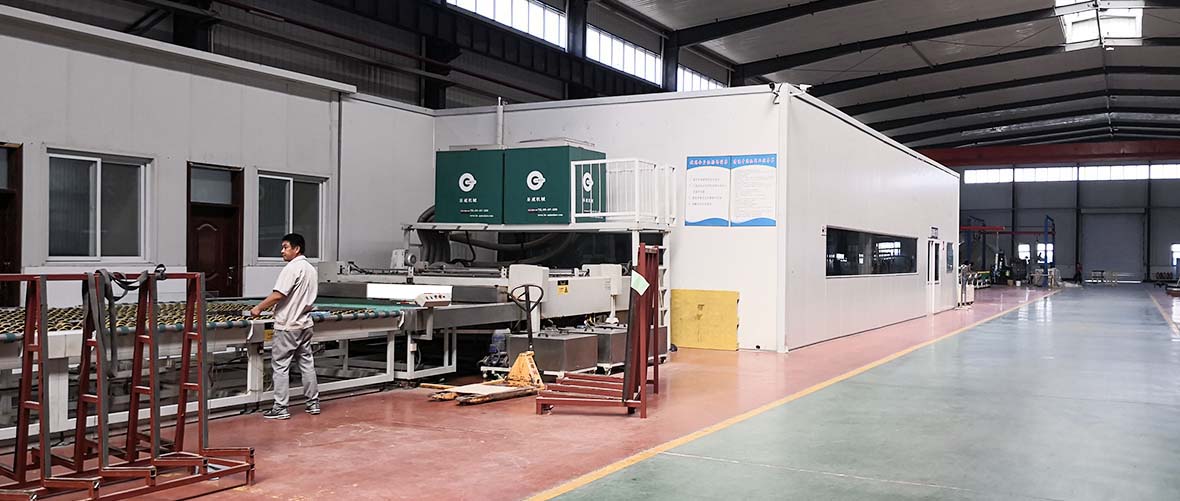
Our production facilities utilize automated cutting, CNC edge grinding, and cleanroom lamination chambers to maintain tight dimensional tolerances. This scale allows us to handle both custom prototyping runs and high-volume OEM orders efficiently, ensuring consistent quality across all production batches.
To secure these products during transport, we pack all shipments in custom, heavy-duty wooden crates designed for international sea and air freight. These crates feature integrated desiccants and protective cork spacers, preventing humidity damage, surface scratches, or shifting during transit to Europe, North America, Southeast Asia, or Africa.
Anti-Reflective (AR) glass uses optical interference coatings to allow more light to pass through the glass, reducing reflection to less than 1% and keeping the surface transparent. Anti-Glare (AG) glass uses an acid-etched or sandblasted surface to scatter reflected light, reducing glare but slightly lowering image clarity. AR glass is ideal for high-resolution displays, HUDs, and viewing windows where maximum transparency is required.
Aero Glass products are certified to meet international safety and performance criteria, including China's CCC (GB 15763.2), the European Union's E-Mark (ECE R43), and the United States' DOT (ANSI Z26.1). Our manufacturing facility operates under the ISO/TS-16949 quality management standard, ensuring consistent tracing and quality control from raw materials to final shipment.
Yes, our optical AR coatings can be applied to both tempered and laminated safety glass. We deposit these thin-film coatings on the glass substrates before lamination or after thermal tempering, depending on your project requirements, ensuring safety and optical performance.
Lead times depend on design complexity and volume. Standard custom runs (involving custom shapes, screen printing, or laminating) typically ship within 3 to 5 weeks from technical drawing sign-off. We also offer expedited production schedules for urgent industrial or OEM replacement requirements.
Yes. We design and manufacture tungsten-heated safety glass options, which embed micro-fine heating wires within the laminated layer. This option is compatible with our anti-reflective coatings, helping clear condensation, ice, and fog without affecting optical clarity.
 Aero Glass