Discover our primary catalog of high-strength bulletproof structures, custom PVB/PDLC smart laminates, and performance marine glazing technologies engineered for global commercial demand.
In modern structural architecture and high-performance automotive engineering, printed glass solutions represent a critical nexus of aesthetics, thermal efficiency, and mechanical safety. Originally limited to simple decorative patterns, the deployment of advanced ceramic frit digital printing and precision silkscreen matrices has revolutionized how solar control, glare mitigation, and structural adhesion are achieved. As a premier exporter from China's advanced manufacturing hubs, we deliver tailor-made glazed components engineered to withstand extreme thermal stresses, mechanical loads, and environmental degradation.
Whether developing complex black borders (frit bands) for windshields to prevent polyurethane degradation under intense ultraviolet light, or applying customized dot matrices on massive structural glass facades to optimize the Solar Heat Gain Coefficient (SHGC), our precision-controlled thermal tempering and chemical strengthening lines ensure every square millimeter exceeds international safety thresholds. Below, we examine the technical frameworks, manufacturing methods, and macro-industrial application paradigms that govern the supply of specialized printed glass solutions to leading automotive OEMs, commercial builders, and naval architects worldwide.
Inorganic ceramic inks are fired onto the glass substrate at temperatures exceeding 650°C, chemically bonding with the silica matrix to create a permanent, fade-free layer resistant to moisture, scratching, and intense UV radiation.
Customizable dot-matrix designs and gradient screen patterns allow project managers to manipulate the Visible Light Transmittance (VLT) and solar coefficient metrics, significantly reducing commercial cooling costs.
Integrated with PVB or high-stiffness SGP interlayers, our printed glass assemblies serve as critical barriers for vehicle armoring, commercial curtain walls, and safety-certified heavy machinery glazing systems.
Anhui Aero Glass Co. Ltd is an established leader in the professional automotive and industrial glass manufacturing space. We specialize in the research, development, production, and worldwide distribution of high-performance glass products tailored for highly demanding environments.
Our comprehensive technology portfolio includes laminated glass structures, tempered glass variants, pre-framed ready-to-mount glass panels, transit and bus glazing systems, high-efficiency tungsten heated glass (critical for defogging and de-icing in arctic and high-altitude logistics), intelligent electric vehicle (EV) glass, heavy-duty truck windscreens, and resilient glass assemblies designed for agricultural and engineering utility machinery.
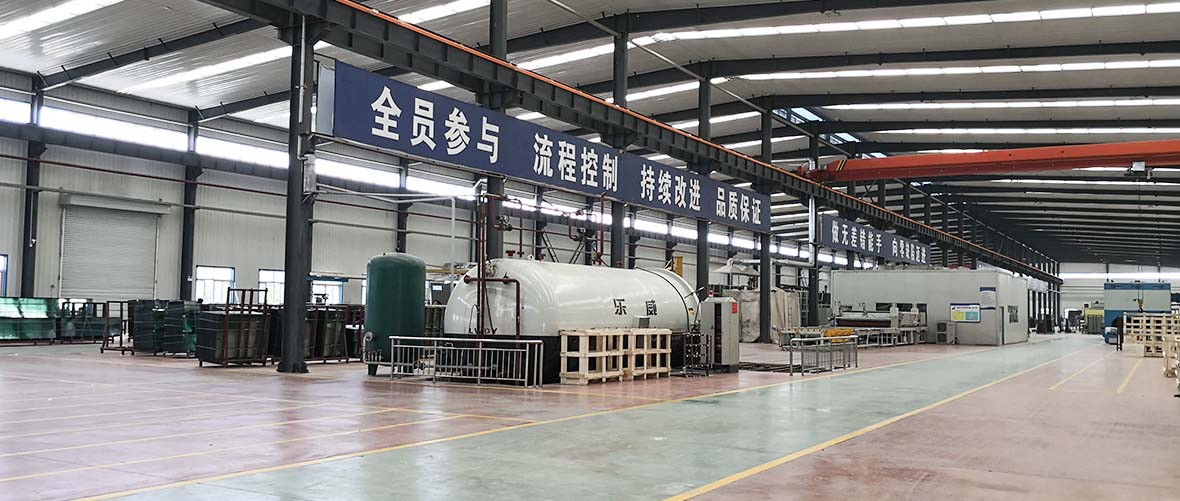
Over years of rapid industrial expansion, Aero Glass has grown to occupy a state-of-the-art production footprint spanning 30,000 square meters. Our factory is run by over 100 highly skilled technicians and operators, including a dedicated core team of 12 senior and intermediate specialists who oversee our raw materials quality inspections, automated tempering lines, and ceramic printing precision.
Aero Glass has achieved global verification. Our product safety profiles are approved by leading international regulatory bodies, carrying China CCC, European E-Mark, and United States DOT (Department of Transportation) seals. Underpinning this production excellence is our compliance with the automotive industry's most rigorous quality management certifications: ISO/TS-16949 and ISO-9001.
The international market for industrial glass is undergoing a major technological shift. Traditional single-layer float glass is no longer viable in structural applications. Global architectural firms, mass transit builders, and vehicle OEMs are demanding multi-functional glazed panels. These panels must serve as solar barriers, visual privacy partitions, structural reinforcements, and dynamic display interfaces. This shift is driven by three main industrial drivers:
As pure electric vehicles and plug-in hybrid transport solutions scale globally, reducing battery drainage from thermal control systems (HVAC) is a priority. Custom printed glass solutions, including low-E reflective coatings and variable dot-density ceramic prints, filter up to 99% of harmful UV rays and cut infrared heat ingress. Consequently, vehicles maintain comfortable internal cabins with less climate control energy consumption.
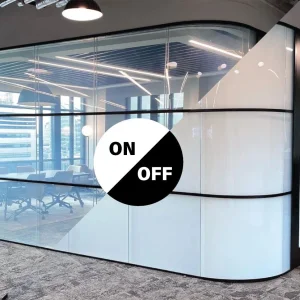
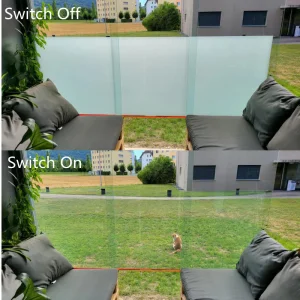
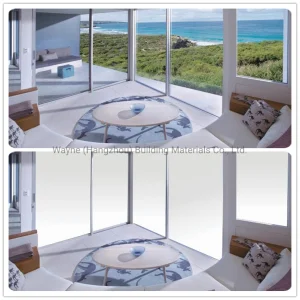
Modern commercial structures, yacht cabins, and high-end automotive passenger zones require switchable privacy controls. The integration of Liquid Crystal (PDLC) laminates between printed glass boundaries represents a growing architectural design trend. By pairing ceramic perimeter printing (which hides the internal electrode wiring) with smart film technology, manufacturers supply aesthetic, high-tech switchable glass solutions that shift from opaque to transparent within milliseconds.
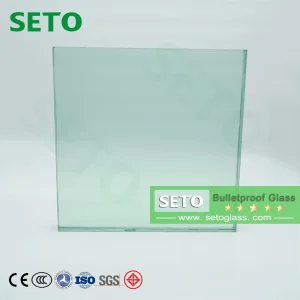
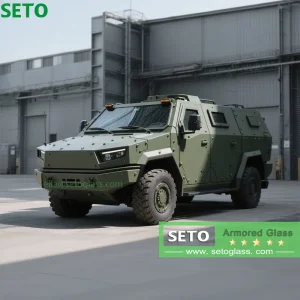
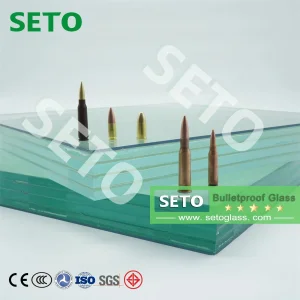
Rising geopolitical risks have spiked the demand for VIP armoring and armored military vehicles. Providing certified ballistic protection (compliant with EN1063 BR1 through BR7 standards) requires advanced multi-layered PVB/polycarbonate lamination systems. Here, edge-printed black ceramic bands serve an important dual purpose: they conceal the heavy adhesive sealants keeping the heavy glass block secured inside the steel frame, and shield these sealants from sunlight degradation.
To maintain our position as a leading global exporter of printed glass solutions, Aero Glass enforces precise industrial testing and tolerance metrics. The table below represents our standard manufacturing and quality verification specifications for custom architectural, automotive, and military glass:
| Glazing System / Category | Material Configuration | Standard Certification | Primary Technical Advantage |
|---|---|---|---|
| Armored Vehicle Bulletproof Glass | Multi-layered Laminated + Polycarbonate (25mm - 30mm+) | EN1063 BR1 - BR7 / NIJ IIIA - IV | High ballistic impact dispersion, zero internal spalling. |
| Modern Building Facades | 4mm - 8mm Tempered Low-E + Ceramic Frit Prints | GB15763.2 / EN12150 | Optimized Solar Heat Gain Coefficient, custom light diffusion. |
| Marine Yacht & Catamaran Windows | Chemically Toughened + Heavy PVB/SGP Interlayers | ISO 614 / ISO 12216 | High saline corrosion resistance, heavy hydrodynamic load rating. |
| Smart Switchable Dimming Glass | Double Glazed Laminated + Integrated PDLC / Electrochromic Film | CE / FCC / RoHS Compliant | On-demand privacy control (99% UV and IR blocking capacity). |
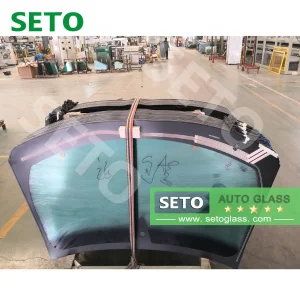
| Automotive Front Windscreens | Laminated Glass + Acoustic PVB + Ceramic Frit Borders | US DOT / ECE R43 / CCC | UV shielding for adhesives, integrated heating wires (tungsten). |
Our printing setups accommodate high-resolution vector patterns, custom-density gradients, brand identifiers, and safety indicators. This ensures that every piece of glass serves its structural purpose while meeting aesthetic requirements.
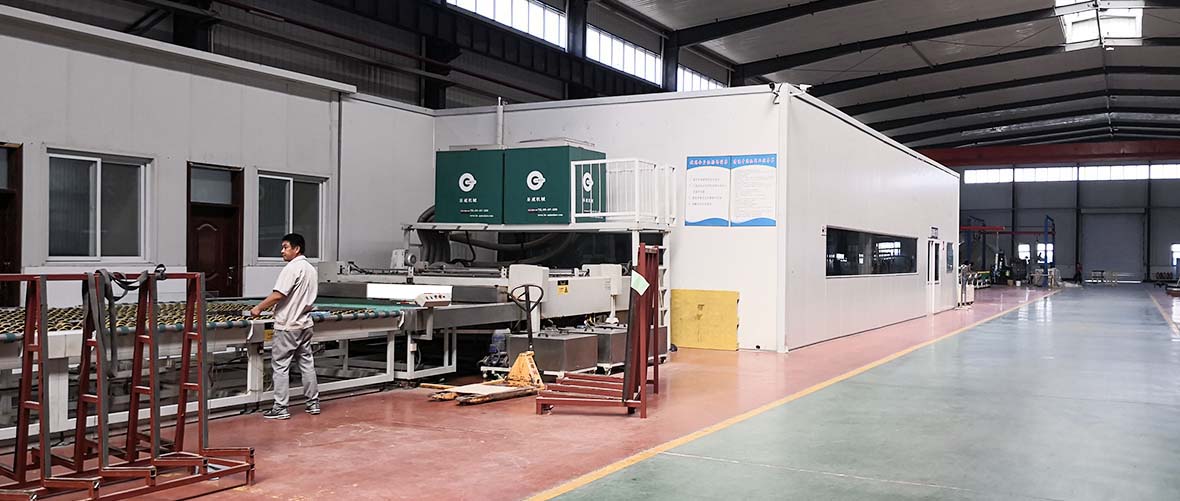
Exporting glass assemblies to over 20 countries requires thorough knowledge of regional regulations and logistics protocols. From packaging to site delivery, Aero Glass implements a thorough quality assurance framework.
The future of industrial glass manufacturing lies in integration and smart functionality. Aero Glass is currently optimizing its production lines to support the next wave of smart glass technologies, focusing on three primary technical milestones:
Integrating ultra-fine tungsten micro-wires inside laminated safety glass layers. This provides transparent, high-efficiency de-icing and defogging for locomotives, aviation cabins, and advanced radar equipment.
Partnering with electronics designers to laminate electrochromic oxide films. This allows structural glass facade systems to modulate VLT automatically based on outdoor light conditions, cutting building carbon footprints.
Using AI algorithms to optimize custom dot distributions. This ensures the best solar protection without compromising driver or occupant visibility.
Get answers to critical design, testing, and shipping questions below. If your inquiry is not listed, contact our technical team.
Digital ceramic printing uses computer-controlled printheads to apply inorganic ceramic inks directly to the glass surface. This method is ideal for complex graphics, gradients, and custom runs without screen setups. Traditional screen printing is highly cost-efficient for high-volume orders with repeating patterns. Both techniques undergo high-temperature firing, fusing the ceramic ink permanently to the glass.
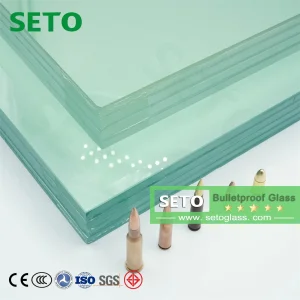
Our bulletproof glass configurations (25mm to 30mm+) utilize alternating layers of ultra-clear glass, PVB/SGP interlayers, and tough polycarbonate back-shields. When a bullet strikes, the hard outer layers shatter the projectile, distributing energy across the glass matrix. The elastic interlayers absorb this energy, while the polycarbonate back-sheet prevents spalling inside the cabin.
All structural and automotive glass assemblies are fully compliant with major global standards. This includes China CCC certification, European E-Mark (ECE R43), and the US DOT (ANSI Z26.1) standard. Our manufacturing facilities are audited and certified to ISO/TS-16949 and ISO-9001 quality systems.
Yes. Our engineers design and shape curved glass assemblies featuring integrated tungsten micro-wires or conductive coatings. These configurations are tailored to clear ice and moisture, with custom power input requirements (12V, 24V, 48V, or 110V/220V) to match vehicle, marine, or industrial power grids.
Lead times depend on the complexity of the project. CAD approval and prototyping typically take 2-3 weeks. Once prototypes are approved, volume production averages 3-4 weeks. Transit times vary by destination port, with direct routes to North America and Europe taking 3-5 weeks.
Examine our broader range of commercial utility vehicle windscreens, specialty power components, and structural glass replacements manufactured for long-term field performance.
At Aero Glass, we are continuously seeking new opportunities for collaboration. Whether you are a vehicle manufacturer, a regional distributor, a structural engineering architect, or a custom project manager, we are prepared to design and manufacture custom glazing configurations tailored to your specific parameters.
We believe in mutual growth, reliable delivery schedules, and transparent technical specifications. Contact our export sales division today to request sample panels, physical print specimens, or customized pricing packages for your project. Let us build a successful partnership together.
 Aero Glass