Aero Glass
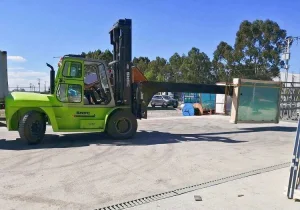
These four original product paths are presented first because they give Ebeye buyers a practical entry point into the most common equipment conversations: 10-ton diesel forklifts, overhead crane cabins with air conditioning, joystick crane control cabins, and crane cabins for overhead and gantry crane duty. The glass is only one part of the system; the cab frame, HVAC load, sealing strategy, electrical protection and operator sightlines decide whether the installation performs in atoll conditions.
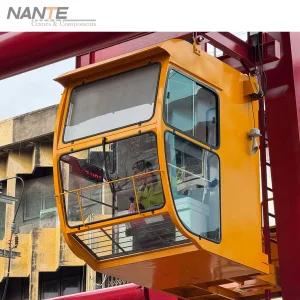
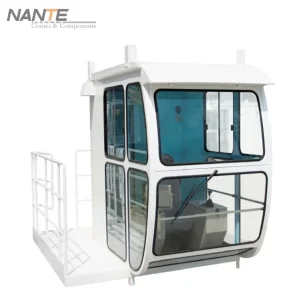
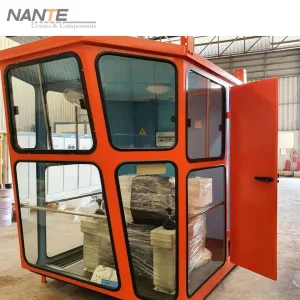
Original product URLs are retained. For Ebeye quotations, confirm cab dimensions, glass curvature, voltage, HVAC duty, connector type and shipping consolidation in your RFQ.
Ebeye operators rarely buy cab glass in isolation. They buy visibility, safe lifting conditions, reliable shift handovers and fewer maintenance surprises in a marine climate where salt, humidity, UV and rain squalls are persistent.
Ebeye is an atoll operating environment, not a temperate warehouse environment. Airborne salt accelerates corrosion on exposed terminals and frames. High humidity encourages condensation when a cab cools down after a shift. Intense sun increases glare and heat load. Sudden rain can reduce visibility faster than an operator can complete a lift. For heavy equipment, these are not cosmetic issues; they affect spotting, communication, cycle time and risk.
Heavy Duty Crane Cab Glass is a safety and productivity component. A crane operator needs a clear view of the load, riggers, nearby structures and ground conditions. If the windshield fogs, scratches, delaminates or leaks, the result may be extra spotters, slower lifts, reduced confidence or unplanned downtime. In remote island logistics, a failed cab glass unit can become a supply-chain event if no spare is stocked and no correct specification exists.
Heated windshields are not automatically required for every Ebeye machine. In a tropical environment, the strongest justification is usually condensation control, rapid clearing in humid conditions and consistent optical quality when HVAC is working hard. De-icing still matters in some cold-chain, refrigerated or specialised service contexts, but a cold-climate specification should not simply be copied into a Pacific fleet. Heating watt density, voltage, wire spacing, busbar layout and thermostat strategy must match the machine’s electrical architecture and duty cycle.
The most reliable procurement result comes from a joint glass-and-cabin review: original dimensions, curvature, thickness, laminate construction, tint, heating zone layout, connector position, gasket and frame requirements, mounting method, HVAC compatibility, joystick sightlines and packaging. For Ebeye, add salt-mist protection, moisture barriers, seaworthy crating and a clear spare-parts plan.
A heated windshield can help clear fogging when the cab is sealed and the HVAC is under tropical load. The design must avoid hot spots, excessive current draw and unprotected terminal corrosion. The operator should see a stable, low-distortion view across the working arc.
Marine air attacks exposed metal. Sealed connectors, protected busbars, compatible sealants and drainage paths are essential. A low-cost glass unit with weak electrical sealing may cost more in diagnostics and downtime than a properly tropicalized assembly.
Ebeye’s distance from manufacturing hubs makes planned replacement more valuable than emergency replacement. Buyers should consider a spare-glass ratio, common connector kits, labelled crates and documentation that local technicians can follow without guesswork.
The local commercial picture is shaped by island logistics, public infrastructure, marine operations and imported equipment. Demand for heavy-duty cab glass is therefore rarely a single product request; it is part of keeping a mixed fleet productive.
Kwajalein Atoll’s logistics chain depends on coordinated sea and air movements. Cranes, forklifts and support vehicles around ports and barge landings face salt mist, wind-driven rain and intense sun. Clear, tropicalized glazing can reduce operator fatigue and make load spotting more consistent. Continuous cargo handling may justify a different heating and ventilation strategy than occasional heavy lifts.
Concrete, aggregate, utilities and repair work often run through compact sites and shared equipment. Telescopic loaders, truck cranes and gantry systems must remain visible in wet weather and glare. Ebeye projects can benefit from modular cab-glass plans: one qualified glass family, clear installation instructions and a small spare-parts buffer instead of one-off emergency orders.
Utility teams frequently need mobile cranes and service trucks for generators, pumps, tanks and overhead systems. Dust, humidity and salt-laden air affect connectors and seals. A heated windshield with well-sealed busbars and marine-aware electrical protection is more valuable than a low-cost glass unit with exposed terminals.
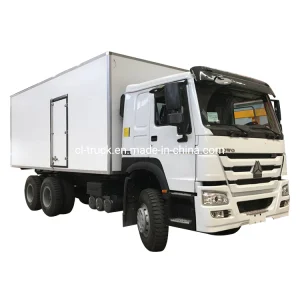
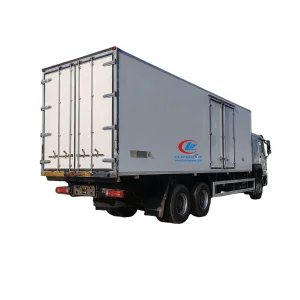
Refrigerated trucks and cold-chain operations create a specific visibility challenge: high humidity outside, conditioned air inside and frequent door opening. Heated glass can help maintain condensation control when integrated correctly with HVAC and door-use cycles. The requirement should be tested against the actual route and loading pattern.
Recovery vehicles, wrecker trucks and emergency service fleets need immediate visibility in poor weather. If a windshield fogs or a wiper system is compromised at the wrong moment, the wider recovery operation slows. Pre-planned glazing and connector spares are part of resilience planning, not just maintenance purchasing.
Public-sector and donor-funded purchases often require transparent specifications, consistent documentation and after-sales evidence. Aero’s stated quality system and export experience can support those submissions, while final customs, tender and packaging requirements should always be confirmed with local representatives.
Global equipment buyers are becoming more precise about tropical performance. The conversation is moving away from “automotive glass” as a generic category and toward documented, application-specific glazing systems.
Buyers increasingly ask for salt-fog resistance, humidity tolerance, UV stability, thermal cycling data and sealed electrical interfaces. For Ebeye, these details are more relevant than a headline price. A well-defined tropical glass specification reduces the risk of early delamination, fogging, connector failure and repeat procurement.
Glass decisions are now tied to HVAC, joystick layout and control-room ergonomics. Crane cabins with air conditioning and joystick control rooms are part of the same operator environment as the windshield. Sightlines, reflection, heat load and service access must be reviewed together.
Battery-electric and hybrid equipment require heating systems that respect energy budgets. Zone heating, efficient watt density and robust controllers can reduce electrical load. Buyers should confirm voltage, current draw, switching logic and fault protection before approving a heated windshield.
Remote sites benefit from serialised labels, batch traceability, clear drawings and a spare-part map. When a glass unit is installed in Ebeye, the maintenance team should be able to identify the correct model, connector and installation orientation without relying on memory or informal photos.
Pacific buyers increasingly plan consolidated shipments, buffer stock and local distributor involvement. For example, a shipment might combine crane cabin components, forklift glass and truck glazing to reduce freight friction. Documentation quality and packaging consistency become part of the product value.
Procurement teams compare total landed cost, installation time, warranty response and downtime risk, not only unit price. A higher-specification heavy duty crane cab glass assembly can be economically superior if it reduces diagnostics, rework, corrosion damage and failed installations in salt air.
Aero Glass serves a global buyer base across more than 20 countries and regions, according to the company’s stated export reach. Enterprise procurement teams usually evaluate far more than a catalogue image: they want repeatable specifications, documentation, packaging confidence and after-sales clarity.
| Buyer Profile | Typical Requirement | Ebeye-Ready Response |
|---|---|---|
| OEM and tier-one suppliers | Drawing-level consistency, change control, inspection records, packaging validation and production traceability. | Factory engineering review, glass drawings, batch records, inspection documentation and export packing specifications. |
| Distributors and aftermarket buyers | Clear model coverage, reliable replenishment, practical pack sizes, label accuracy and margin-friendly mixed orders. | Original product URLs, consolidated quotation support, model labels, spare-part planning and mixed equipment scheduling. |
| EPC contractors and fleet operators | Project schedule alignment, installation support, audit-ready documentation and spare-parts availability. | Phased shipment planning, remote technical review, commissioning checklists and recommended critical spares. |
| Government and donor-funded procurement | Transparent specifications, certification evidence, customs documentation and defined after-sales commitments. | Compliance file support, product traceability, warranty terms and coordination with local agents or customs brokers. |
For Ebeye operations, heated windshields and heavy-duty crane cab glass should be specified as part of a layered system. This architecture helps procurement, maintenance and operations teams ask the right questions before a purchase order is issued.
The core function is optical clarity with controlled heating. Laminated glass can incorporate tungsten heating wires or other heating strategies, subject to application. Buyers should define visual transmission, tint, curvature, thickness, busbar location, connector protection and moisture sealing. For salt-air sites, terminal protection and reliable gasket interfaces are as important as the heating element itself.
Glass performance depends on the cabin. Air-conditioned crane cabins, joystick control rooms and overhead crane cabins require coordinated sightlines, cooling capacity and service access. A heated windshield can assist with condensation, but it cannot compensate for an undersized HVAC system or poor door seals. The review should include operator reach, wiper coverage, reflections and emergency egress.
A shared glass strategy may cover forklifts, telescopic loaders, truck cranes, crawler cranes, refrigerated trucks and trailer assets, but fitment must be confirmed machine by machine. Heavy-duty crane cab glass should be matched to the crane type, boom configuration, duty cycle and site access. For Ebeye, shipping dimensions and replacement method can influence the design as much as the operating environment.
The final layer converts a product into a reliable programme: export documentation, customs coordination, packaging, installation guidance, spare-parts stocking and remote troubleshooting. Because Ebeye is a remote atoll market, the support model should be explicit. Who inspects the crate? Who downloads installation instructions? Who verifies the electrical connector? Who maintains a serial-number register?
Local support does not have to mean a warehouse on every island. For Ebeye, a practical support model combines factory engineering, disciplined export documentation, robust packaging, a local customs broker or agent, and remote technical review.
Marshall Islands import requirements can vary by product, shipment mode and project. Final classification, duty treatment and document expectations should be confirmed with a licensed local customs broker before despatch.
Operators should inspect incoming glass for seal damage, moisture ingress and label accuracy before signing off. A small installation photo record and serial-number register can save hours during later maintenance.
Send machine details, glass dimensions, voltage and destination information. Our export review will clarify fitment, packing and next steps.
A disciplined six-step process reduces rework, freight waste and installation risk. It is designed for remote buyers who must make each shipment count.
Record machine make, model, serial number and cab configuration. Photograph the existing glass from multiple angles, including connectors, gasket edges and frame details. Note the crane, forklift or truck application and typical working shift. This baseline prevents costly assumptions about fitment.
Confirm dimensions, curvature, thickness, tint, light transmission, heating voltage, watt density, connector position and control strategy. For tropical Ebeye, review condensation control and salt-air protection. For cold-chain equipment, review the HVAC interaction and defogging duty cycle.
Use drawings, photos or a sample where required. Approve the label format, packing method, documentation set and spare-parts list. Mixed orders should be grouped by machine so local receiving and storage remain simple. Confirm that all product URLs and part references align with the intended equipment.
Choose packaging appropriate to sea freight, transshipment and humid conditions. Confirm crate labels, lifting marks, moisture protection and customs documents. For Ebeye, consolidation opportunities should be reviewed early: glass, cabin components and other heavy equipment parts may be shipped together where schedules permit.
Install with qualified technicians using the correct sealants and torque sequence. Check electrical polarity, fuse protection and switching logic before energising the heated glass. Test visibility, defogging, wiper clearance and water sealing. Record the installed serial number and any commissioning readings.
Maintain a critical spare set based on fleet size, lead time and downtime cost. Schedule inspections after storm events and during major services. Track connector corrosion, seal condition and fogging symptoms. A simple lifecycle register turns maintenance from reactive purchasing into a managed programme.
This roadmap is a practical 2025–2030 outlook for operators that want to move from one-off replacement to a managed heavy-duty cab glass programme.
Audit the fleet’s cab glass, HVAC and electrical systems. Identify two or three high-impact assets, such as a port crane, a telescopic loader or a refrigerated truck. Confirm the current failure modes: fogging, leakage, cracked glass, connector corrosion or poor fitment. Select a pilot specification with clear acceptance criteria.
Validate heated glass performance under high humidity, salt mist and thermal cycling. Review voltage draw, connector sealing, gasket compatibility and installation labour. Compare the pilot against a non-heated alternative where appropriate. Approve documentation, labels and spare kits before scaling.
Define a spare-glass buffer for critical machines. Coordinate with distributors, agents or project logistics teams to hold common connectors, fuses and installation guides. Train local technicians on inspection and correct sealing. Consolidate future orders to reduce freight friction and emergency air shipments.
Use serial-number records, inspection intervals and failure trends to forecast replacement. Where suitable, integrate simple digital checklists so technicians can record fogging, leakage, current draw and seal condition. The goal is not complexity; it is predictable uptime in a remote atoll market.
These four original product paths extend the Ebeye conversation from glazing into the operating cabin. For projects using overhead and gantry cranes, joystick-based control rooms or replacement cabins with air conditioning, the goal is to align glazing, controls, ventilation and operator sightlines in one procurement package.
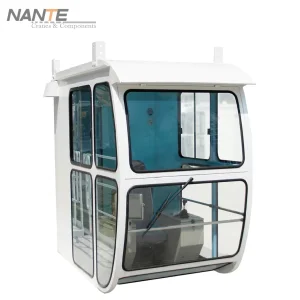
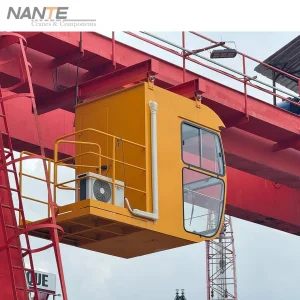
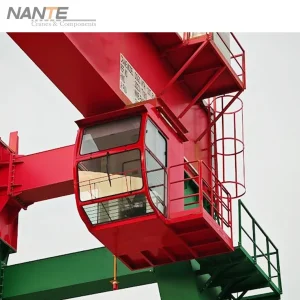
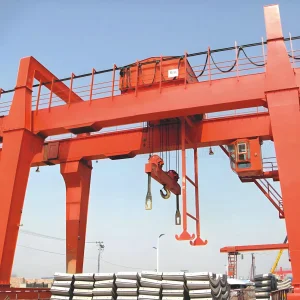
These are operational scenarios rather than claims of completed Ebeye projects. They show how a buyer can connect an atoll requirement to a product pathway and a procurement decision.
A port or barge crane cabin can be specified with air-conditioning, sealed glazing and a heated-windshield strategy to reduce condensation during high-humidity shifts. The specification should confirm duty cycle, HVAC capacity, electrical protection and operator sightlines.
View Related Product PathA joystick control room needs clear sightlines and an intuitive control layout. Glass tint, reflection control, wiper coverage and heated zones should be chosen with the operator’s viewing angles and local sun path in mind. The cabin layout is part of the glass decision.
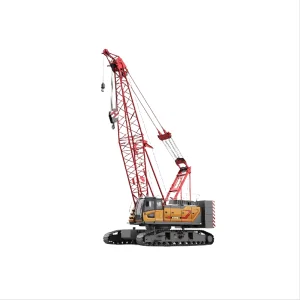
View Related Product PathHeavy lift on atoll projects demands robust cab glazing and a spare strategy. For a 100-ton hydraulic crawler crane, windshield and side glass should be matched to the boom configuration, site access, transport method and maintenance access.
View Related Product PathRecovery and towing operations often happen in poor weather. A boom-crane wrecker benefits from rapid defogging, impact-resistant glazing where required and pre-planned spare connectors. Visibility for the operator and spotter is part of response time.
View Related Product PathAnhui Aero Glass Co. Ltd is a professional automotive glass manufacturer, specializing in the research, development, production, and sales of a wide variety of automotive glass products. Our offerings include laminated glass, tempered glass, frame with glass, bus glass, tungsten heated glass, electric vehicle glass, truck glass, agricultural vehicle glass, engineering vehicle glass, and much more.
The company has grown rapidly and now covers an area of 30,000 square meters, employing over 100 skilled personnel, including 12 senior and intermediate technicians. With a strong technical force and innovative capabilities, we continually strive to lead in the automotive glass industry.
Our products are certified by internationally recognized bodies, including China CCC, the European E-Mark, and the U.S. DOT. In 2015, Aero achieved the prestigious ISO/TS-16949 and ISO-9001 certifications—both representing the highest quality management standards in the auto parts industry.

Aero Glass has established itself as a trusted name in the global market. Our products are exported to over 20 countries and regions, including Europe, North America, Southeast Asia, and Africa. Our auto glass solutions have garnered high recognition and widespread praise from both domestic and international customers for their durability, safety, and precision.
We are committed to providing customers with:
At Aero Glass, we are always seeking new opportunities for collaboration. Whether you are a manufacturer, distributor, or end-user, we are eager to form long-lasting partnerships and provide solutions tailored to your specific needs. We believe in mutual growth and success, and we sincerely look forward to cooperating with you.
If you are interested in exploring the potential of working with Aero Glass, please contact us today. Let’s build a future of success together.
Share equipment data, drawings, voltage and shipping destination for a technical and export review.
These answers are written for procurement, operations and maintenance teams comparing heavy-duty crane cab glass and heated windshield options for Ebeye.
A heated windshield uses a controlled heating element to warm the glass and help clear condensation, fog or ice depending on the application. In Ebeye, the primary value is usually condensation control and rapid clearing in a high-humidity marine climate. The heating strategy must be matched to voltage, cab HVAC performance, duty cycle and salt-air protection.
The company’s product family includes laminated glass, tempered glass, frame with glass, tungsten heated glass, engineering vehicle glass, truck glass and crane cabin configurations. For the best fit, send machine model, cab serial number, photos, dimensions, curvature, electrical data and the intended operating environment.
Aero states that it holds China CCC, European E-Mark and U.S. DOT product certifications, and that it achieved ISO/TS-16949 and ISO-9001 in 2015. Project-specific documents should be confirmed during quotation. Buyers should also verify Marshall Islands import requirements with a local customs broker.
Use seaworthy crates or reinforced cartons, edge and corner protection, foam, desiccant and VCI protection where appropriate. If wood packaging is used, ISPM 15 heat-treated wood is typically expected. Label each box with model, dimensions, voltage, connector type, quantity and installation orientation.
Include equipment make and model, cab serial number, glass drawing or sample, dimensions, curvature, thickness, tint, voltage, wattage, connector type, quantity, annual demand, destination port, required certification and target Incoterms. Photos of the cab, old glass and connectors are especially useful.
The original product set includes crane cabins with air conditioning, joystick crane control rooms, overhead and gantry crane cabins, and heavy equipment product paths. A consolidated quotation can align glazing, HVAC, controls and shipping documentation, subject to technical fit and export schedule.
Design details matter: sealed busbars and connectors, protected terminals, compatible gasket materials, controlled drainage and robust packaging. Installation should preserve the seal and avoid creating moisture traps. Regular inspection and spare connector kits support long-term reliability in Ebeye conditions.
Lead time depends on whether the part is a standard catalogue item, a drawing-based replacement or a new heated-glass design. Sea freight to the Pacific usually requires consolidation and forward planning; air freight may be considered for urgent spares. Request a written schedule with the quotation.
Support can be organised through installation instructions, remote technical review and coordination with a local distributor or service partner where available. Final site work, lifting and customs clearance should be managed with qualified local parties and documented in the project plan.
No. Some cabs may achieve adequate performance with HVAC, ventilation, anti-fog treatment and better sealing. A heated windshield is most justifiable when condensation, rain-squall visibility, cold-chain condensation or downtime costs are significant. The correct answer comes from a duty-cycle review, not from a catalogue headline.
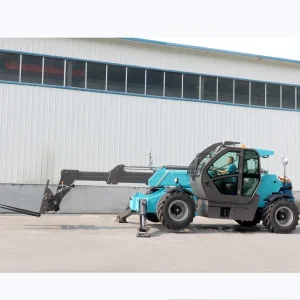
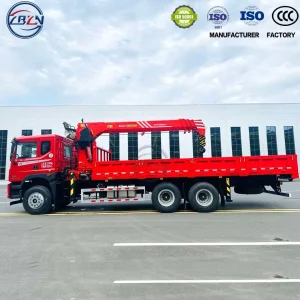
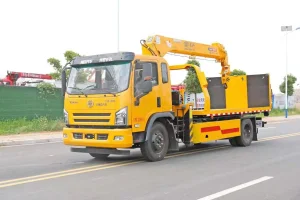
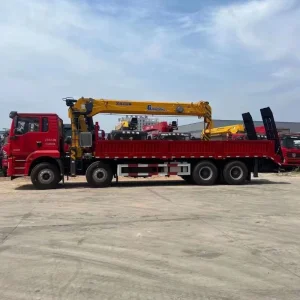
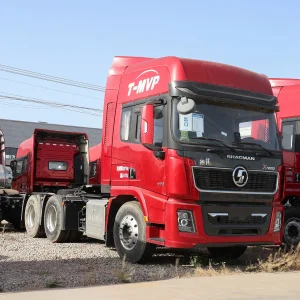
This final set preserves eight additional original product paths from the supplied catalogue. They cover telescopic loaders, truck cranes, wrecker trucks, heavy crane trucks, refrigerator trucks, tractor trailers, crawler cranes and refrigeration van delivery trucks. For Ebeye buyers, these paths are useful when a cab glass requirement sits inside a larger equipment, fleet or project procurement decision.
Send your Ebeye project list and machine data. We will help structure the RFQ around fitment, certification, packing and shipping.